

In what might be the most galaxy-brained corporate power play since loot boxes were called 'surprise mechanics', Amazon Game Studios apparently pressured one of its internal teams to pivot toward building an AI-driven game. According to a report by Eurogamer, developers scrambled to make it work - retooling, adapting, and grinding through the uncertainty - only to find out in October 2025 that none of it mattered. They got laid off anyway.
The project, reportedly known internally as Project Trident, became a cautionary tale wrapped inside a cautionary tale. Not only did the AI-first mandate put developers in a difficult spot creatively and technically, but the whole effort ultimately amounted to nothing when the axe came down regardless. It's the gaming equivalent of being told to speedrun a dungeon and then having the dungeon deleted from the server.

The bigger picture: an industry-wide boss fight nobody is winning
As Eurogamer notes, these developers were far from alone in their misery. Since the COVID-19 pandemic ended, the games industry has been hammered by a relentless wave of layoffs that has gutted studios large and small across the globe. The reasons are still being debated - a post-pandemic market correction, brutal competition for players' attention from every direction, or the dreaded 'lack of growth narrative' that sends investors running for the exit portal.
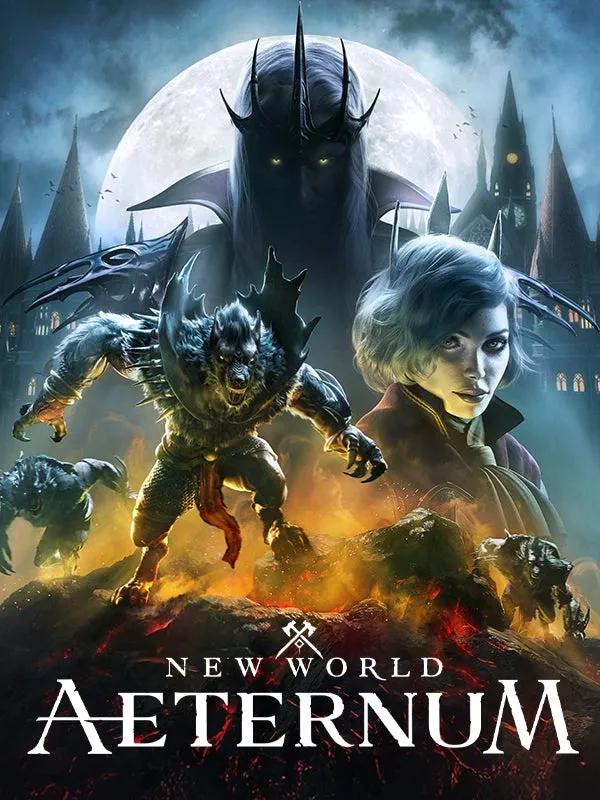
Amazon, for its part, has been trying to crack the games industry for years with the enthusiasm of a new player button-mashing through a tutorial they clearly skipped. From the rocky early days of New World to the shutdown of multiple projects, the company's gaming division has been more of a wipe than a world first. Pressuring a team into AI-driven development - and then cutting them loose anyway - feels very on-brand.

What this means for AI in game development
The situation raises some genuinely uncomfortable questions about how big tech companies are treating AI as a magic 'growth narrative' spell that they can cast to impress investors, regardless of whether it makes sense for the actual humans doing the work. Developers were apparently asked to adapt to an AI-first workflow under pressure, only to have the whole playthrough end in a game over screen anyway.
If there's a lesson here, it's that 'just add AI' isn't a strategy - it's a loading screen excuse. And the people paying the real price for these executive-level experiments are the developers left without jobs when the experiment fails. According to Eurogamer's reporting, these teams scrambled in good faith. The least Amazon could have done was actually play the game they asked them to build.