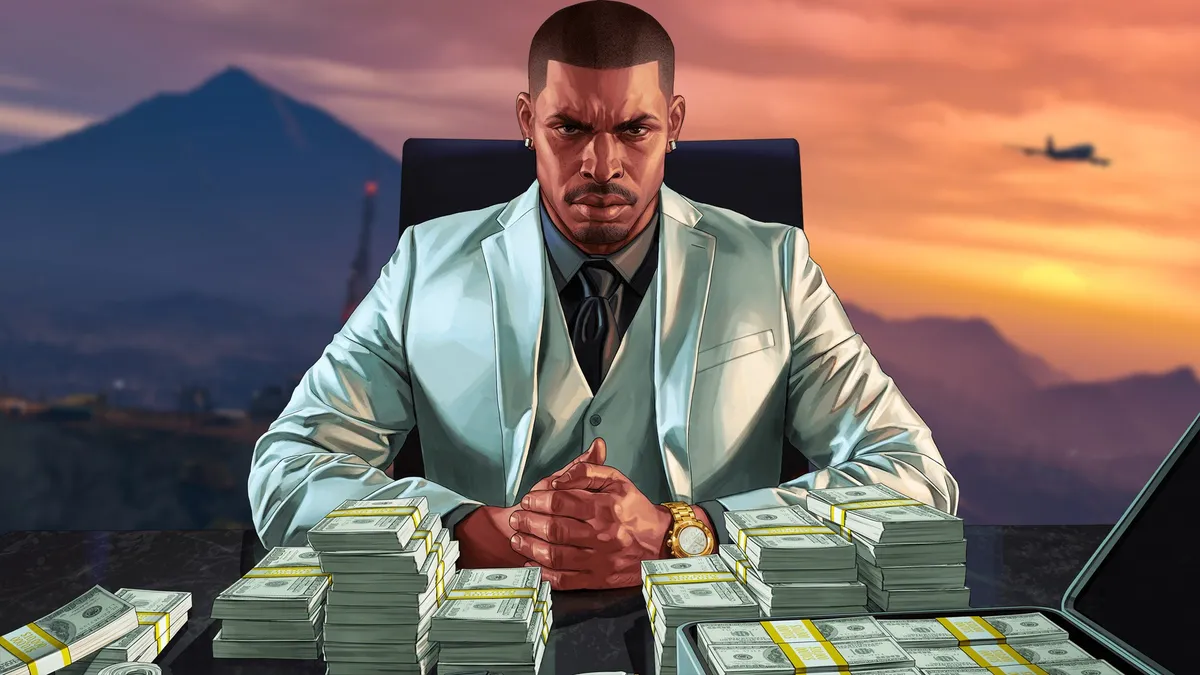
In a move that absolutely nobody asked for, Bank of America has publicly called on Rockstar to price GTA 6 at $80 - not for your benefit, obviously, but so every other studio in the industry can feel comfortable charging more than $70 too. According to Push Square, executives made this wallet-destroying suggestion at a Las Vegas conference, because apparently what happens in Vegas does NOT stay in Vegas.
The logic here is almost impressive in its audacity. GTA 6 is expected to be the biggest entertainment launch in recorded human history - a once-in-a-generation cultural event - and a major financial institution's big takeaway is: "Great, let's use this as a price-hiking crowbar for the whole market." If Rockstar launches at $70, the argument goes, other developers will struggle to justify going higher. So naturally, the fix is to make GTA 6 the final boss of price creep.
The domino effect nobody wanted
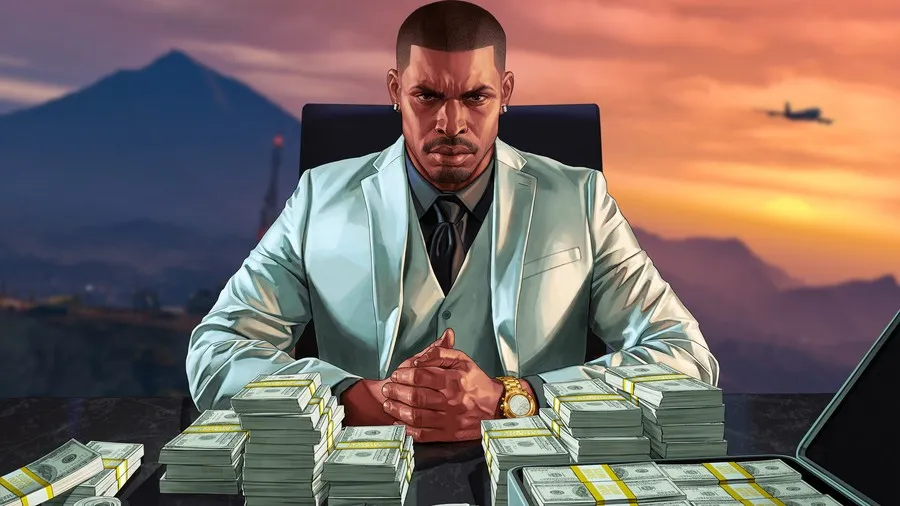
Think of it like a raid mechanic where one player's decision buffs the difficulty for everyone else at the table. If Rockstar blinks and goes to $80, studios big and small will respawn that price tag across their own releases faster than you can say "live service." Your yearly sports titles, your mid-tier action games, your "it's basically finished we promise" early access launches - all of them suddenly have a shiny new price ceiling to aim for.
Let's be real: gamers have already been grinding through $70 price tags since the PS5/Xbox Series X launch era, and the loot drops haven't exactly gotten proportionally better. Now a bank - a BANK - is out here theorycrafting ways to squeeze another $10 out of every launch day purchase, as if the industry wasn't already knee-deep in battle passes, season passes, and "premium editions" that cost as much as a car payment.
So what happens next?
Rockstar hasn't confirmed a price for GTA 6 yet, so we're all still in the pre-patch speculation phase. But with suits in Las Vegas openly cheerleading for an $80 standard, the pressure on the industry is very real. The only XP we're gaining from this situation is the painful kind - a reminder that the people with the loudest voices in gaming economics are often the ones who haven't touched a controller in their lives.