Bloober Team is growing. The studio behind the critically well-received Silent Hill 2 remake and the upcoming Cronos: The New Dawn has announced a leadership expansion, signaling a significant scale-up as it reportedly has seven projects in various stages of development, according to Eurogamer.
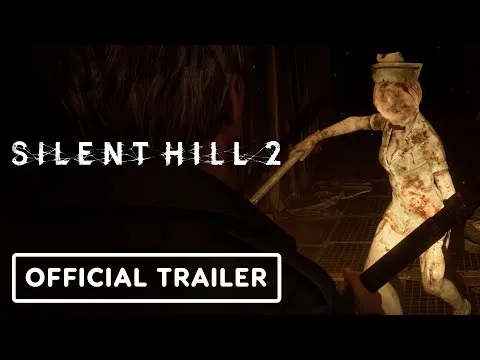
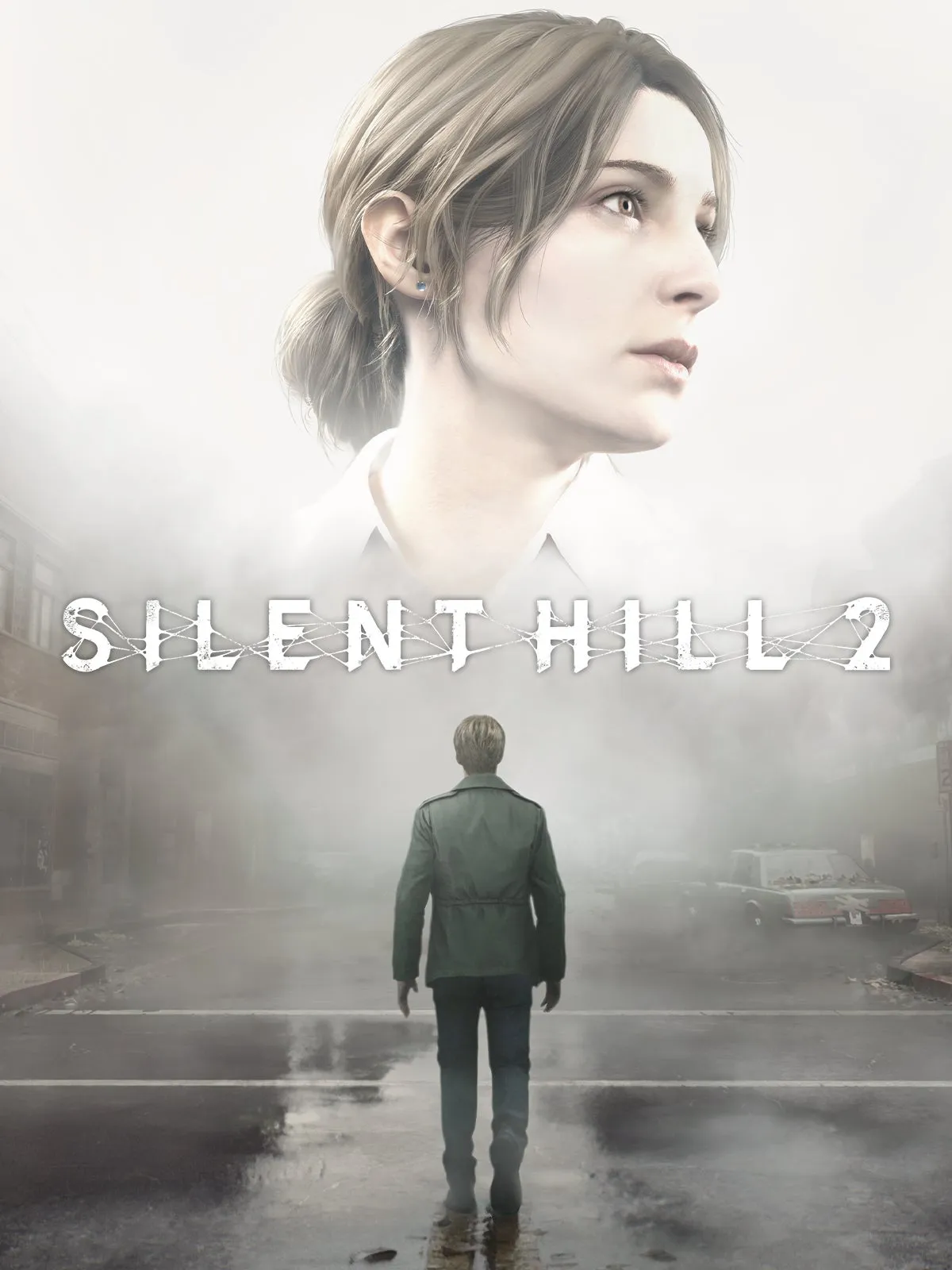
It's a remarkable turnaround for a studio that had a rocky stretch before landing the Silent Hill 2 gig. The 2024 remake won over both longtime fans and newcomers, helping cement Bloober's reputation as a serious player in the survival horror space rather than just a mid-tier walking-sim outfit.
From cult concern to horror powerhouse
Seven games in development is an ambitious pipeline for any studio, let alone one that was still proving itself a couple of years ago. The leadership expansion suggests Bloober is bringing in experienced hands to manage that growth, which is the smart play - studios that scale too fast without the right management infrastructure tend to crack under the pressure.
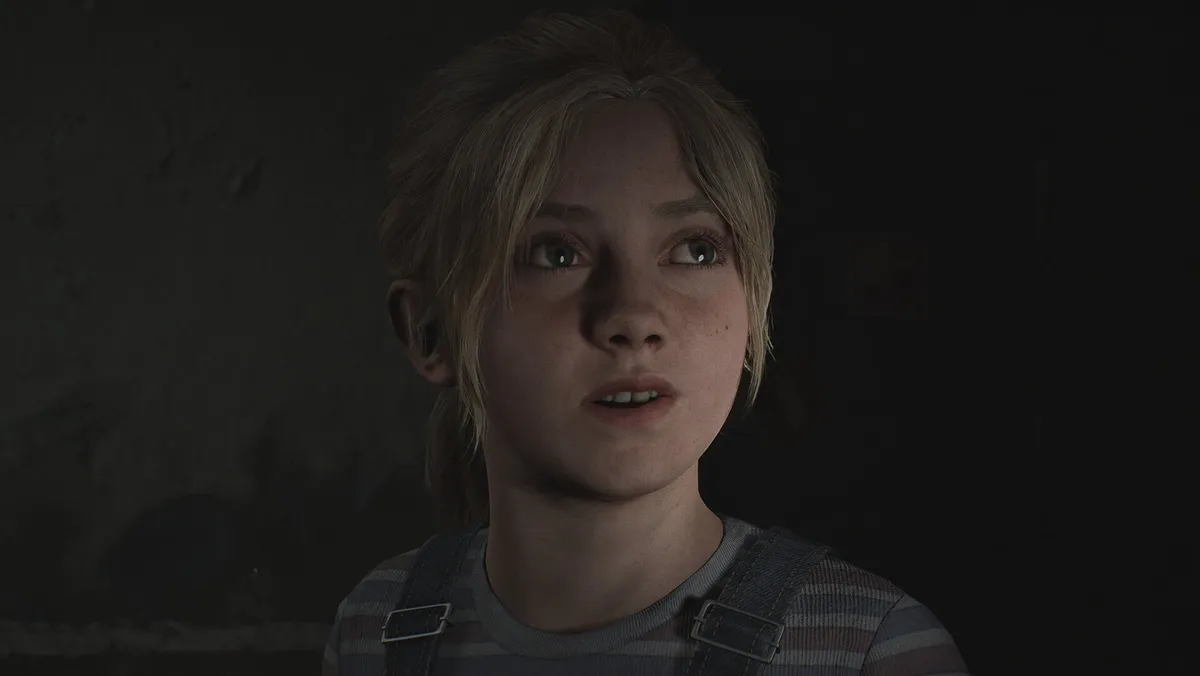
Cronos: The New Dawn, their original sci-fi horror IP slated for 2025, will be a key test of whether Bloober can carry that Silent Hill momentum into their own original work. Developing an established franchise with built-in goodwill is one thing - building audience attachment to something brand new is a different challenge entirely.
What seven games actually means
It's worth keeping expectations calibrated here. Seven projects in development doesn't mean seven games dropping in the next year or two. Studios at this stage typically have titles across wildly different phases - some in early pre-production concept stages, others closer to shipping. Still, the number signals serious institutional confidence, likely backed by both publisher partnerships and the commercial success of recent releases.
For horror fans, this is genuinely exciting news. The genre has had a strong run lately, and having a dedicated studio with real technical chops and growing resources pushing out multiple projects keeps that momentum going. Whether Bloober can maintain quality across a larger output is the real question - but right now, they've earned the benefit of the doubt.