
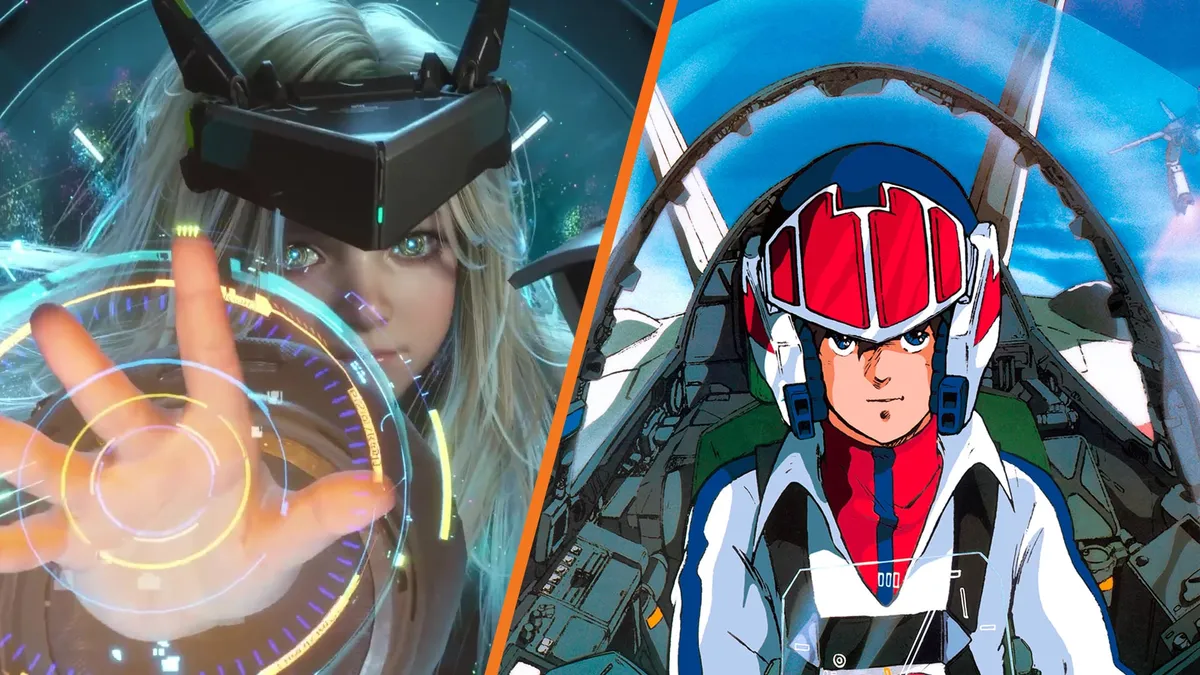
In a lore drop nobody saw coming, Capcom has officially thanked Shoji Kawamori - the mechanical design and world-building genius behind Macross and the original Transformers - for his contributions to the long-in-development sci-fi title Pragmata. Yes, THAT Shoji Kawamori. The man who literally invented transforming robots as a cultural institution.
According to Video Games Chronicle, Kawamori himself has stated that his role involved helping with world-building and giving the game that distinct anime-style sci-fi aesthetic. If you've ever watched a Macross series and thought "I wish a video game felt like this," congratulations - someone at Capcom apparently agreed and then actually hired the source material.
So what does this mean for Pragmata?
This is the kind of behind-the-scenes collab that turns a game from "interesting" to "day one, no questions asked" for a sizeable chunk of the gaming population. Kawamori's fingerprints on a project are basically a quality stamp for a certain flavor of hard sci-fi world design - the kind that feels lived-in, mechanically coherent, and visually distinct in ways that generic Western sci-fi rarely achieves.
Pragmata has already been turning heads since its reveal with its mysterious Moon-set visuals and that iconic image of a spacesuit-clad protagonist alongside a little girl. The game has been in development long enough that players started wondering if it had joined the Bermuda Triangle of gaming alongside titles like Silksong and Beyond Good and Evil 2. Knowing that someone of Kawamori's caliber has been in the room, though, at least suggests the cooking has been serious.
Why this actually matters
Kawamori isn't just a famous name to drop in a press release. The guy has spent decades engineering fictional universes with real internal logic - the kind of world-building that makes players want to read the lore pages instead of skip them. Having that sensibility baked into Pragmata from the ground up rather than slapped on as aesthetic window dressing could be the difference between a memorable sci-fi game and a genuinely iconic one.
Capcom has been on an extraordinary run lately, and if Pragmata can inherit even a fraction of Kawamori's design DNA, it might be lining up to be one of the studio's most ambitious swings in years. The save point is getting closer, Capcom - please don't make us wait another decade.