Last month, reports surfaced claiming Sony planned to stop releasing first-party titles like Ghost of Yotei on PC, with live-service games like Marathon being carved out as an exception. Sony has neither confirmed nor denied the report, and sources noted the strategy is "constantly shifting" - meaning this could change before it ever becomes official policy.
Now Shuhei Yoshida, the former head of Sony Interactive Entertainment Worldwide Studios, has added his voice to the conversation. Speaking to Rock Paper Shotgun, Yoshida said he hasn't personally seen any evidence that PlayStation is actually changing its PC strategy, casting some doubt on how concrete the reported shift really is.
Yoshida also raised a pointed financial question: without PC as a secondary revenue stream, how does Sony justify the massive development budgets that go into its flagship exclusives? It's a fair concern. First-party PlayStation games routinely cost hundreds of millions of dollars to produce, and PC ports have become a meaningful way to extend the commercial life of those investments beyond the console userbase.
The business case for PC ports
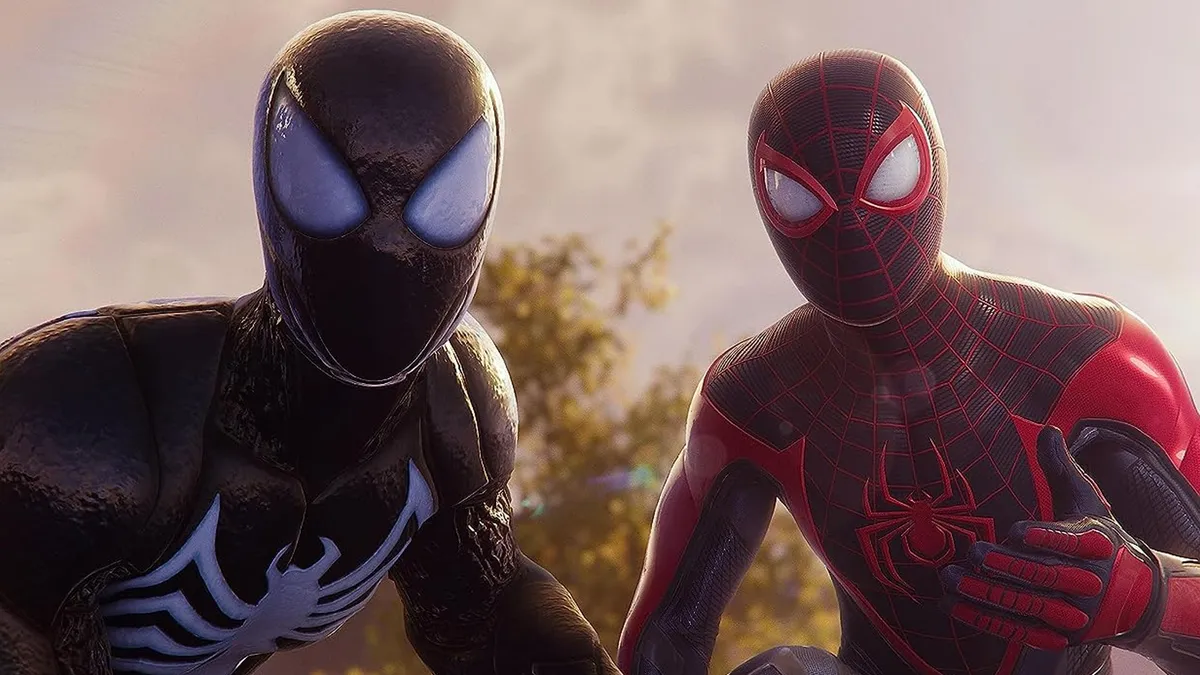
Sony's PC push over the past several years has been one of the more notable strategic pivots in console publishing. Titles like God of War, Spider-Man, and Horizon Zero Dawn all performed strongly on Steam, opening PlayStation's exclusive library to a massive audience that either doesn't own a PS5 or simply prefers PC gaming.

Pulling that pipeline for single-player titles would be a significant reversal, and Yoshida's skepticism suggests even people close to PlayStation's history aren't convinced it's happening - or that it makes sound business sense if it does. The exemption reportedly carved out for online games further complicates the picture, since those titles depend on large player populations that PC access helps build.
For now, Ghost of Yotei remains the most high-profile game caught in this uncertainty. Until Sony makes an official statement, its PC fate is genuinely up in the air. Given how much revenue is potentially on the table, don't expect the platform holder to stay quiet about this much longer.