
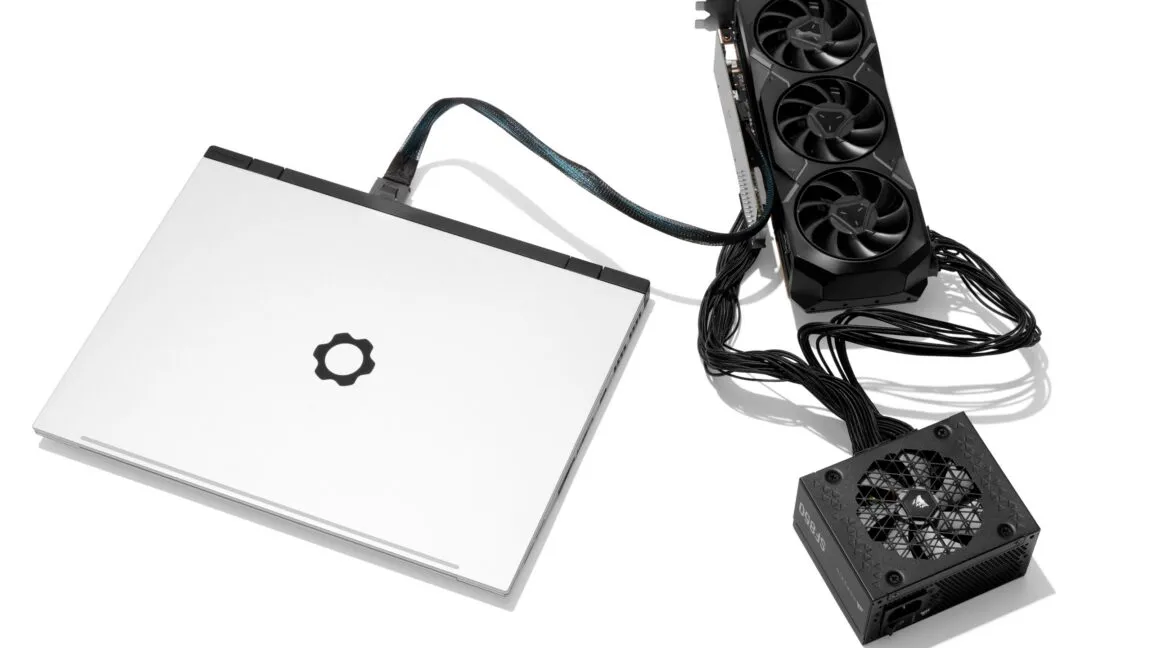
Framework's modular Laptop 16 is picking up a round of upgrades that address some of the more glaring criticisms of the original release, according to Ars Technica. The changes reportedly make the machine look and feel like a more finished product rather than a proof-of-concept held together by good intentions.
On the hardware side, Framework is introducing a lower-end Ryzen AI 340 CPU option that brings the price down for buyers who don't need the top-spec configuration. That kind of tiered pricing is a smart move - the Laptop 16 has always struggled to compete on value against mainstream gaming laptops from bigger manufacturers, and a more accessible entry point could open the device up to a wider audience.
Why this matters for the modular PC space
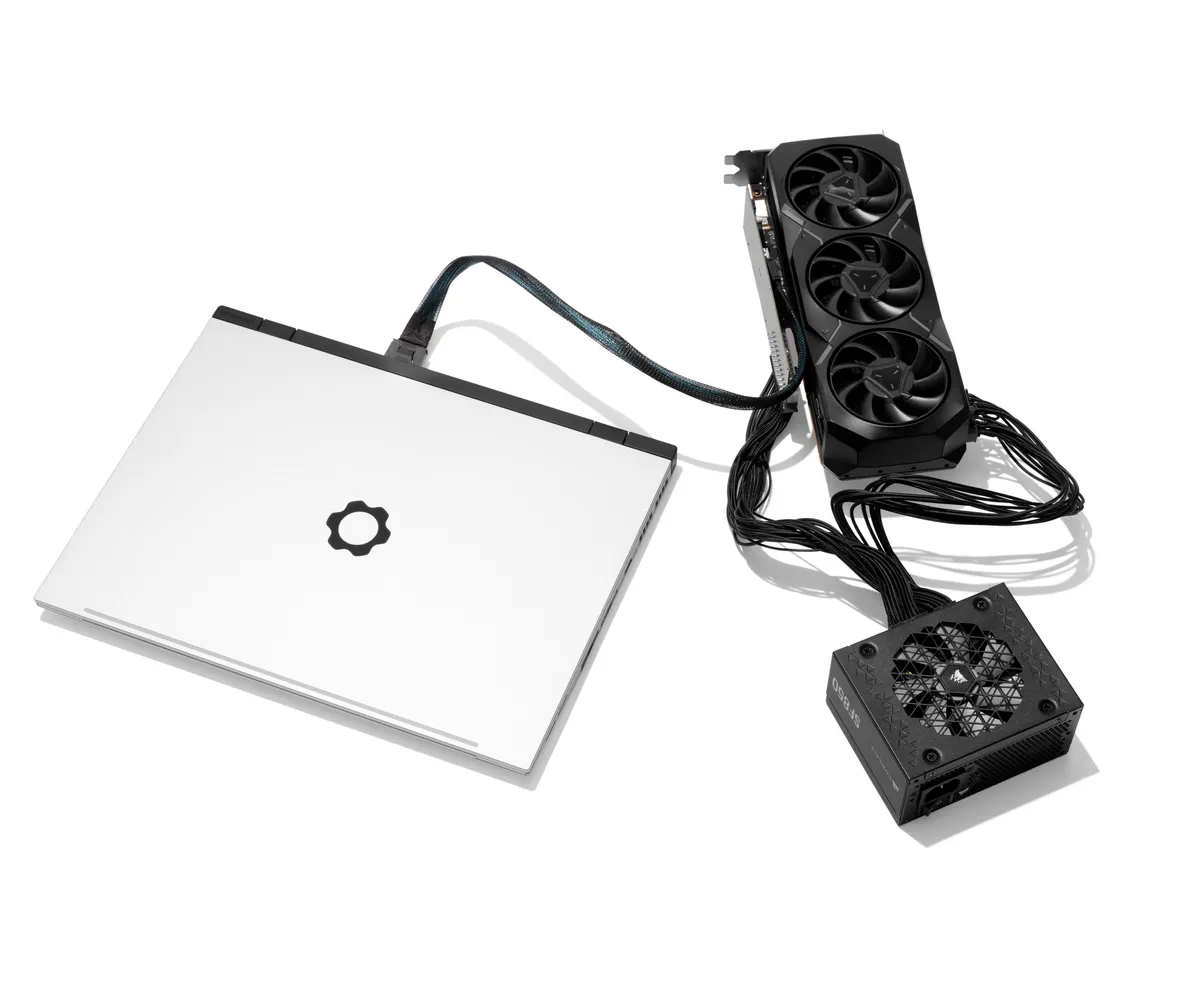
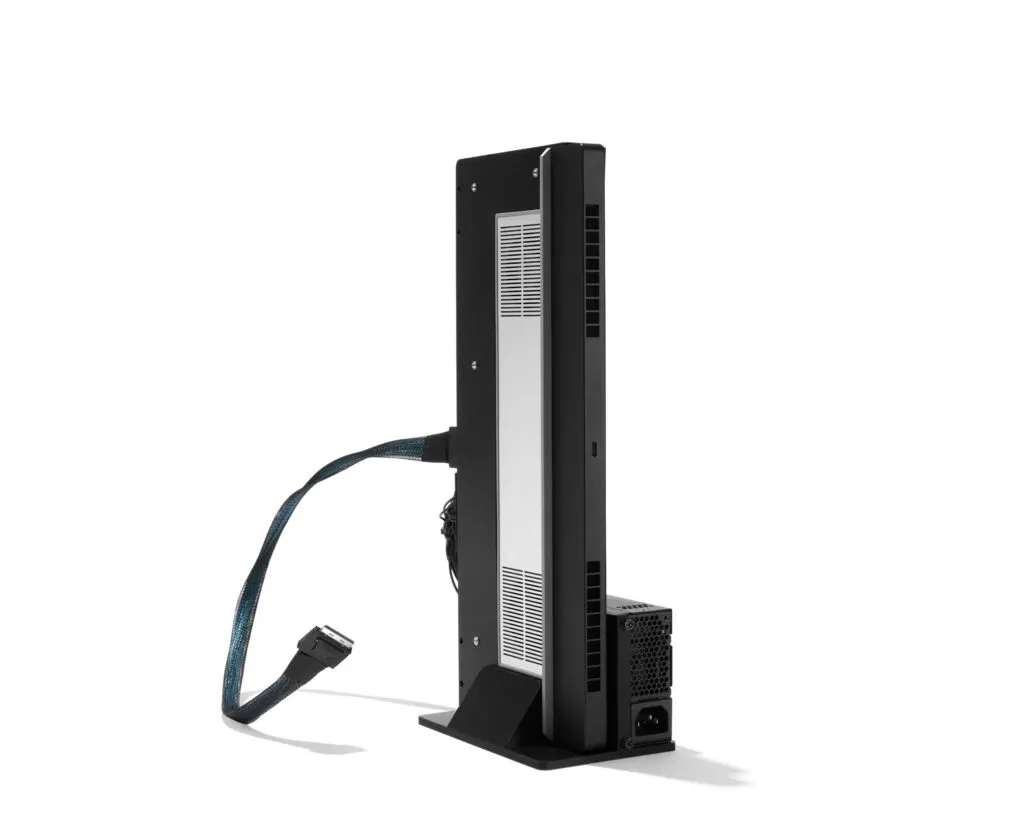
Framework has built its entire brand around the idea that your laptop shouldn't be a throwaway device. The Laptop 16 extends that philosophy to the gaming segment, offering swappable GPU modules and a highly customizable expansion bay system. The problem with the original launch was that some elements of the design felt unrefined - something the new updates appear to directly address.
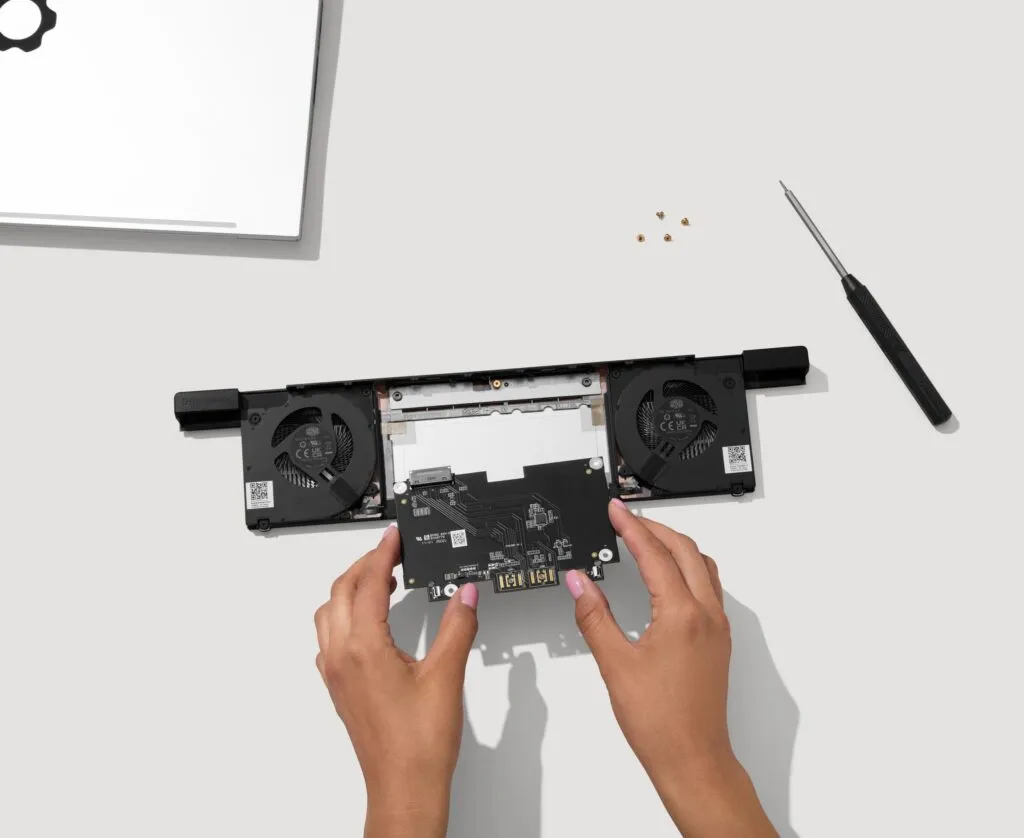
The modular gaming laptop space is still niche, but Framework is essentially the only player taking it seriously at the consumer level. If these upgrades can tighten up the experience, it strengthens the argument for buying into an ecosystem that lets you upgrade components rather than buying an entirely new machine every few years.
What to watch for
The Ryzen AI 340 inclusion is also worth noting beyond just the price angle. AMD's AI-focused silicon is becoming a bigger talking point across the laptop market as applications start to lean on local AI processing. Whether that matters to the core gaming audience right now is debatable, but it keeps Framework's hardware from falling behind the current-gen conversation.
For gamers who have been sitting on the fence about the Laptop 16, these updates suggest Framework is iterating with purpose rather than just shipping and forgetting. Whether the refinements are enough to sway buyers away from more established options from ASUS, Lenovo, or Razer remains to be seen, but the direction is clearly positive. Full details on pricing and availability are covered in the original Ars Technica report.