Giving your game away for free sounds like a financial gamble, but for Lazy Bear Games, it turned into a masterclass in sequel marketing. According to Polygon, Graveyard Keeper was offered at no cost as a promotional push for its newly announced follow-up, and the strategy ended up generating over $250,000 in revenue off the back of that free promotion.
The logic here is straightforward but clever: get players hooked on the original macabre management sim, and they'll immediately go hunting for what comes next. Wishlists for the sequel spiked following the giveaway, translating that goodwill directly into dollars. It's the kind of funnel that studios dream about pulling off cleanly.
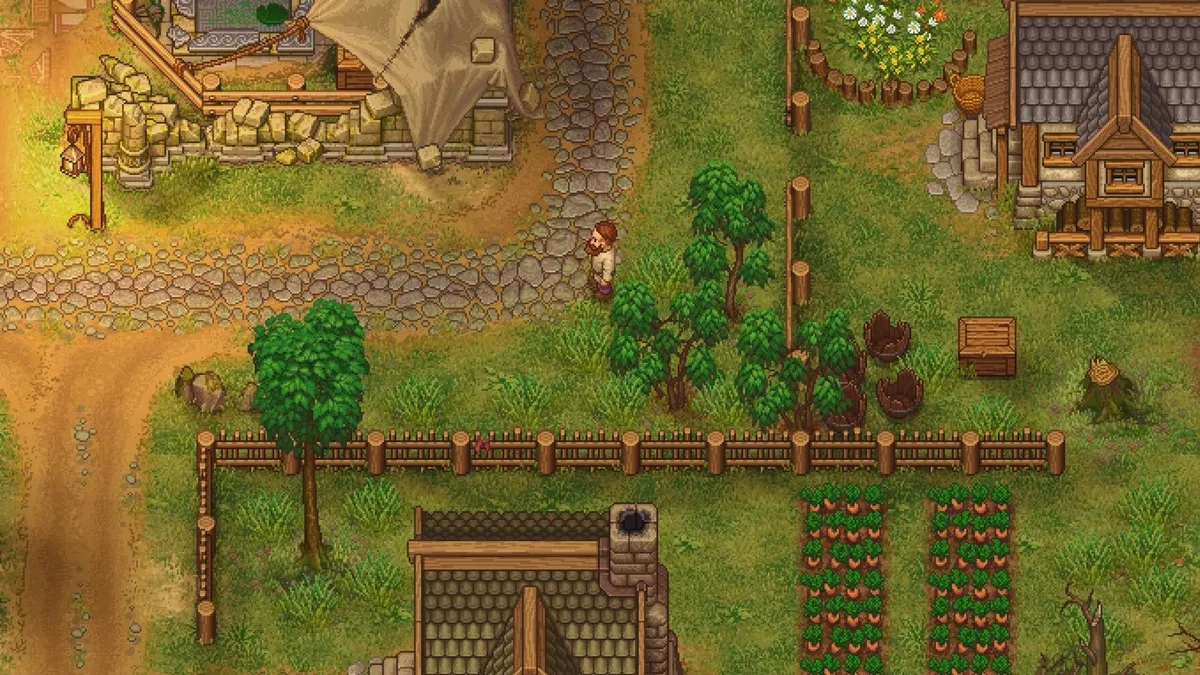
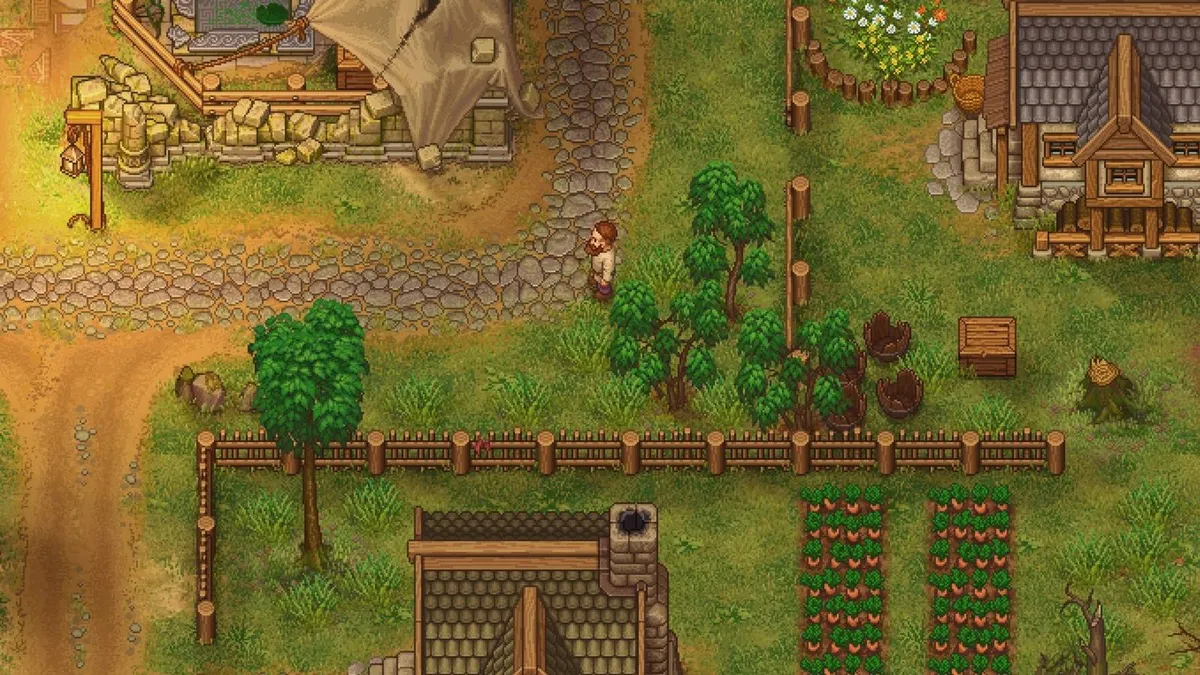
Graveyard Keeper, for those who haven't played it, is a darkly comedic sim that tasks you with running a medieval graveyard - cutting corners on corpse quality, bribing the church, and generally being the worst possible custodian of the dead. It launched back in 2018 and built a dedicated audience over the years, so the existing fanbase had plenty of goodwill to amplify the giveaway's reach.
What makes this case study interesting is that it challenges the instinct to protect your back catalog pricing. Developers often worry that discounting or giving away older titles cannibalizes perceived value, but Lazy Bear's results suggest the opposite can be true when timed around a sequel announcement. You're essentially spending a depreciating asset to buy marketing momentum.
The $250K figure almost certainly reflects a mix of direct sequel pre-orders or purchases, wishlist conversions, and potentially a bump in DLC sales for the original as newly acquired players looked to expand their experience. Polygon's report doesn't break down the exact revenue split, but any way you slice it, the return on a free giveaway is a remarkable outcome.
For indie studios watching their marketing budgets carefully, this is a model worth studying. Bigger publishers have experimented with similar tactics - putting older franchise entries on Game Pass or PS Plus to drive interest in new releases - but seeing hard numbers attached to the strategy from an independent developer makes it feel a lot more concrete and actionable.
It's a smart play, and the kind of creative thinking that can level the playing field when you're not working with a AAA marketing budget.