The March 2026 Steam hardware survey is showing Linux with over 5% of the platform's install base, a notable 3% jump from where it sat during January and February, according to reporting by Rock Paper Shotgun. That's a meaningful single-month swing for an OS that has historically been a rounding error on Valve's charts.
Before Linux fans start popping champagne, there are some important caveats worth flagging. Valve's hardware survey methodology isn't airtight - participation is opt-in and the data can be skewed by various factors, including how the survey handles users running Steam Deck or multiple machines. A spike like this doesn't always reflect a clean one-to-one increase in actual Linux gamers.
Context matters here
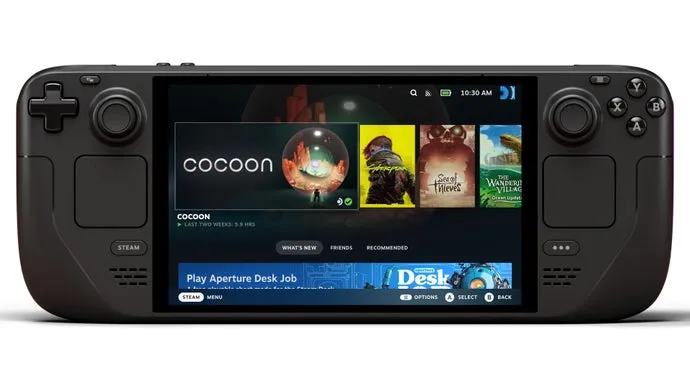
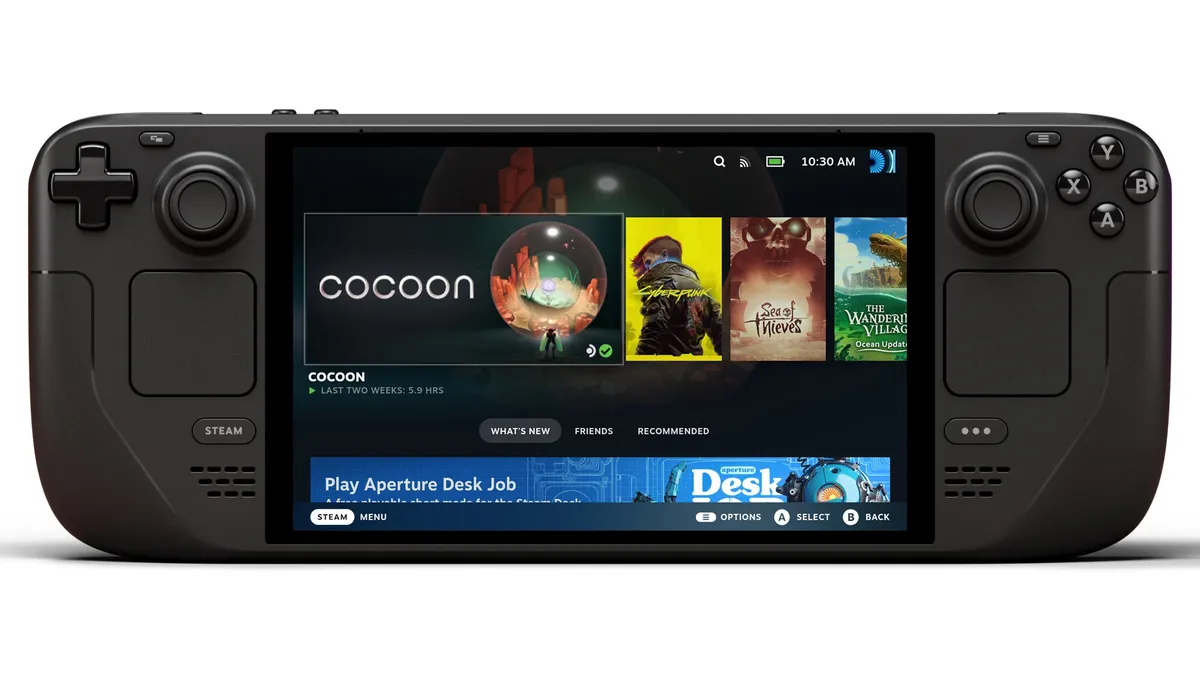
Still, 5% is the kind of number that was basically science fiction for Linux gaming not that long ago. The rise of Proton, Valve's compatibility layer that lets Linux users run Windows games without a native port, has done serious heavy lifting in making the platform viable. The Steam Deck's popularity has also pulled more users into the Linux ecosystem, even if many of them don't think of themselves as "Linux users" in the traditional sense.
Windows still dominates the survey by an overwhelming margin, so this isn't a platform-shift story - not yet, anyway. But the slow, steady upward pressure on Linux numbers over the past few years tells a more interesting story than any single month's data point. The combination of Steam Deck adoption, growing Proton compatibility, and a broader cultural shift toward open-source alternatives has been quietly doing its work.

What this means for the ecosystem
For developers, 5% is still a hard number to justify native Linux ports when resources are tight. But Proton's continued improvement means that gap matters less than it used to. Most modern titles run on Linux through compatibility layers without players needing to do much beyond hitting play.
Whether this particular spike holds, flattens, or turns out to be a survey quirk remains to be seen when April's numbers land. But for a platform that spent years fighting for scraps of market share, clearing 5% on the world's biggest PC gaming storefront is a data point worth watching.