
The source code for Metal Gear Solid 2's HD remaster has reportedly leaked online, according to Kotaku. The leak is notable not just for its existence, but for what's buried inside it.
Among the leaked files, data tied to an unreleased Nintendo Wii port of Metal Gear Solid 2 HD has apparently surfaced. This is the kind of gaming history that typically stays locked in studio archives forever, making this a genuinely interesting find for fans and preservation enthusiasts alike.

What this means for preservation
Source code leaks like this are a double-edged sword for the gaming community. On one hand, they can be invaluable for preservation efforts - reverse engineers and modders gain access to foundational data that helps keep older titles alive long after official support ends. On the other hand, these leaks raise serious legal and ethical questions around intellectual property.
Konami has not issued a public statement on the leak at the time of writing. Given the publisher's historically aggressive stance on IP protection, a response of some kind would not be surprising.
The Wii port nobody knew about
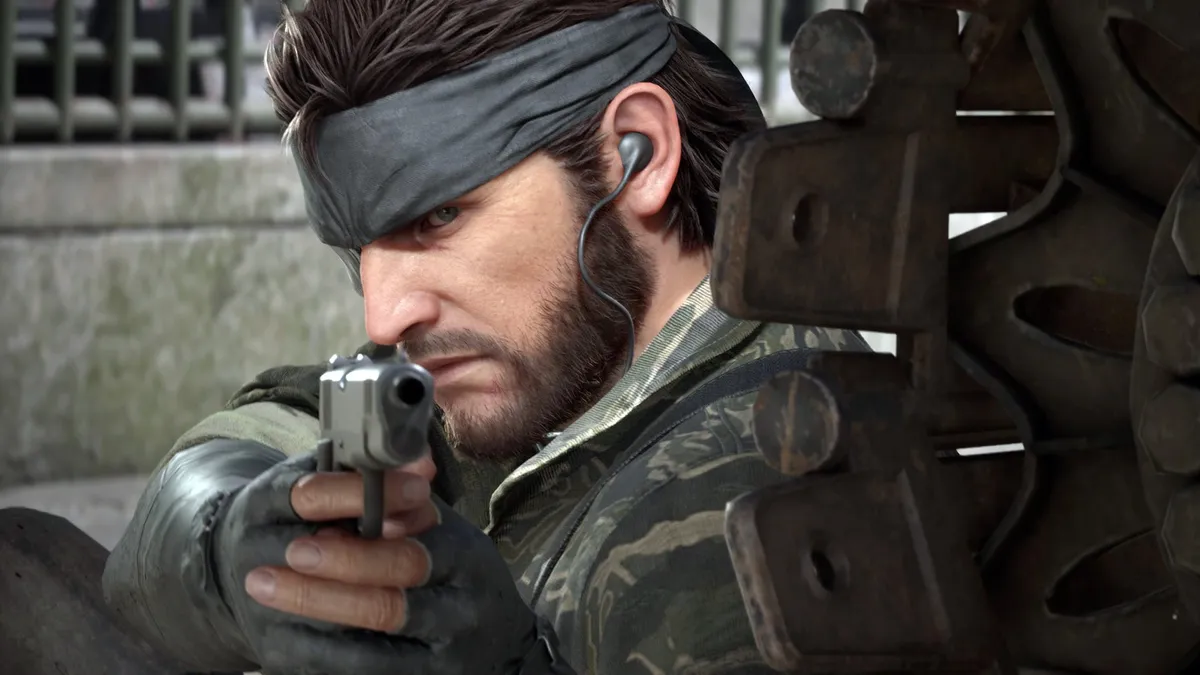
The hidden Wii port data is arguably the most fascinating element here. A version of Metal Gear Solid 2 HD for Wii was never announced or released publicly, which makes its apparent existence inside this leak a genuine piece of lost gaming history. Whether development progressed significantly or was shelved early remains unclear based on available reporting.
Metal Gear Solid 2: Sons of Liberty originally launched in 2001 and remains one of the most discussed and debated games in the stealth-action genre. Its HD remaster was part of the Metal Gear Solid HD Collection released in 2011 across PS3 and Xbox 360, with a Vita version following later. The idea of a Wii build sitting dormant for over a decade is the kind of detail that tends to send the preservation community into overdrive.
Broader context
This is not the first major source code leak the industry has seen - high-profile titles from other publishers have experienced similar situations in recent years. Each incident reignites the conversation around how studios store and protect legacy code, and what obligations developers and publishers have toward gaming history more broadly.
For now, the Metal Gear community will be combing through whatever details are publicly available. If the Wii port data turns out to be substantial, it could offer a rare look at a version of the game that never made it to players' hands.