Nearly 1,000 days have passed since Microsoft dropped a staggering $68.7 billion to scoop up Activision Blizzard - one of the biggest acquisitions in gaming history. The deal handed Xbox's parent company the keys to franchises like Call of Duty, World of Warcraft, and Overwatch. You'd think by now they'd have a pretty clean answer on whether it was a good call.
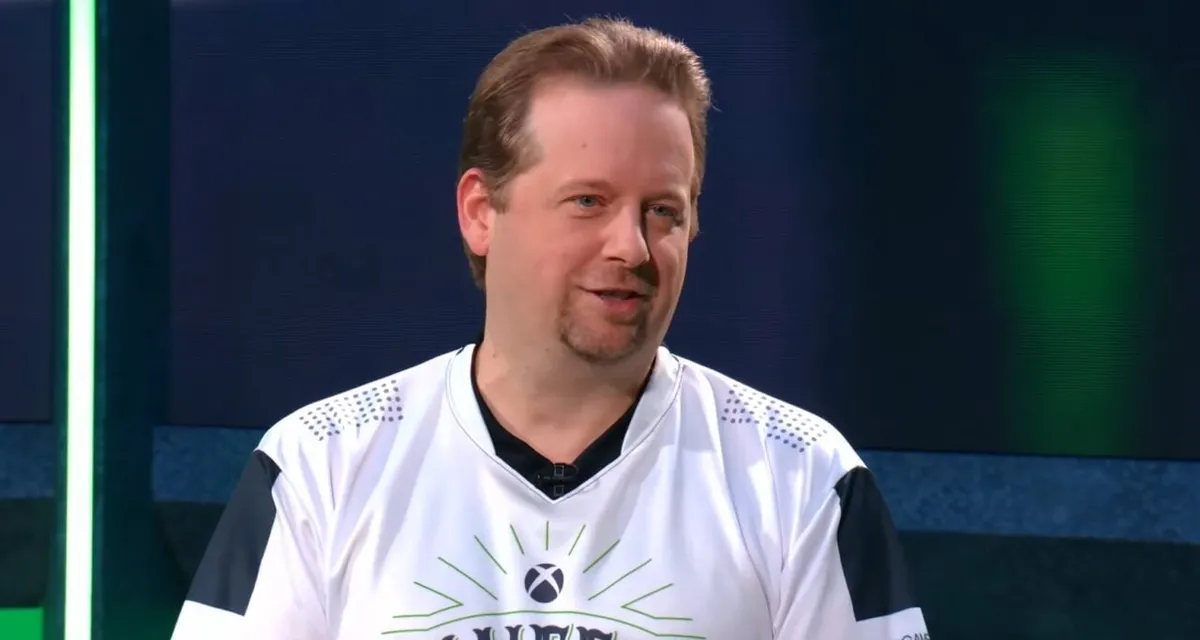
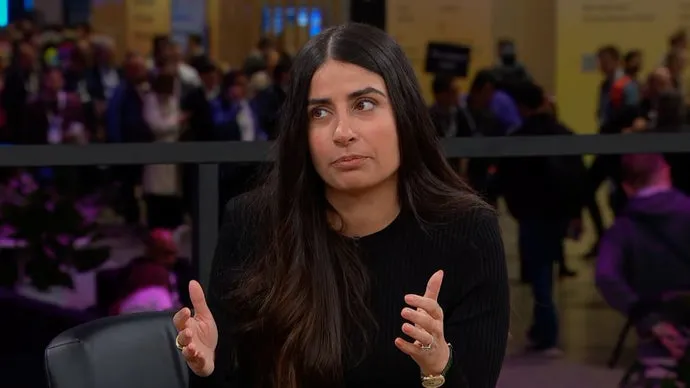
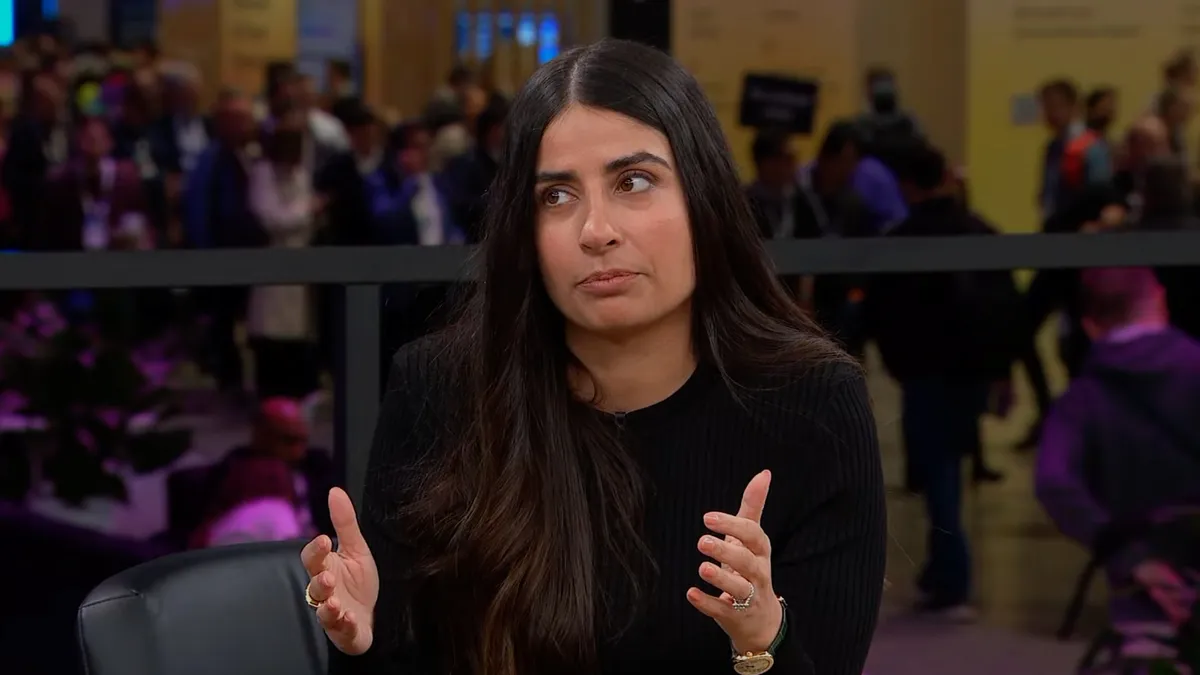
You'd be wrong. According to Rock Paper Shotgun, Xbox boss Asha Sharma was asked point-blank if the acquisition has been paying off, and the best she could muster was that it's "hard to say how to think about those decisions." That is, respectfully, the most impressive dodge since Dark Souls taught us to roll away from danger.
So... was it worth it or not?
To be fair to Sharma, evaluating a $69 billion purchase after just two and a half years is a bit like rage-quitting a 100-hour RPG after the tutorial and declaring it bad. The long-term value of owning some of gaming's most iconic IP is genuinely difficult to quantify in the short term, especially when Game Pass subscriber numbers and the broader Xbox strategy are still evolving.

That said, when your answer to "was the biggest gaming acquisition ever worth it?" sounds like someone trying to explain a bad trade in a fantasy football league, maybe it's time to workshop the messaging a little. Microsoft's gaming division has faced some turbulence lately, with studio closures and layoffs making headlines alongside the blockbuster IP grabs.

The loot box nobody can appraise yet
The uncomfortable truth is that acquisitions of this scale are generational bets, not quarterly wins. Call of Duty alone is a money-printing machine, and having Blizzard's catalog under the Xbox umbrella is no small XP boost for Game Pass. But whether $69 billion was the right price - and whether Microsoft is extracting the right value from these studios - remains very much an open question, apparently even to the people holding the controller.
As Rock Paper Shotgun reports, the conversation did include some positive framing around the flagship franchises, but the hedged, uncertain language from Sharma is going to raise more eyebrows than it lowers. In a industry where confidence sells, "hard to say" is a critical hit to your own PR armor.