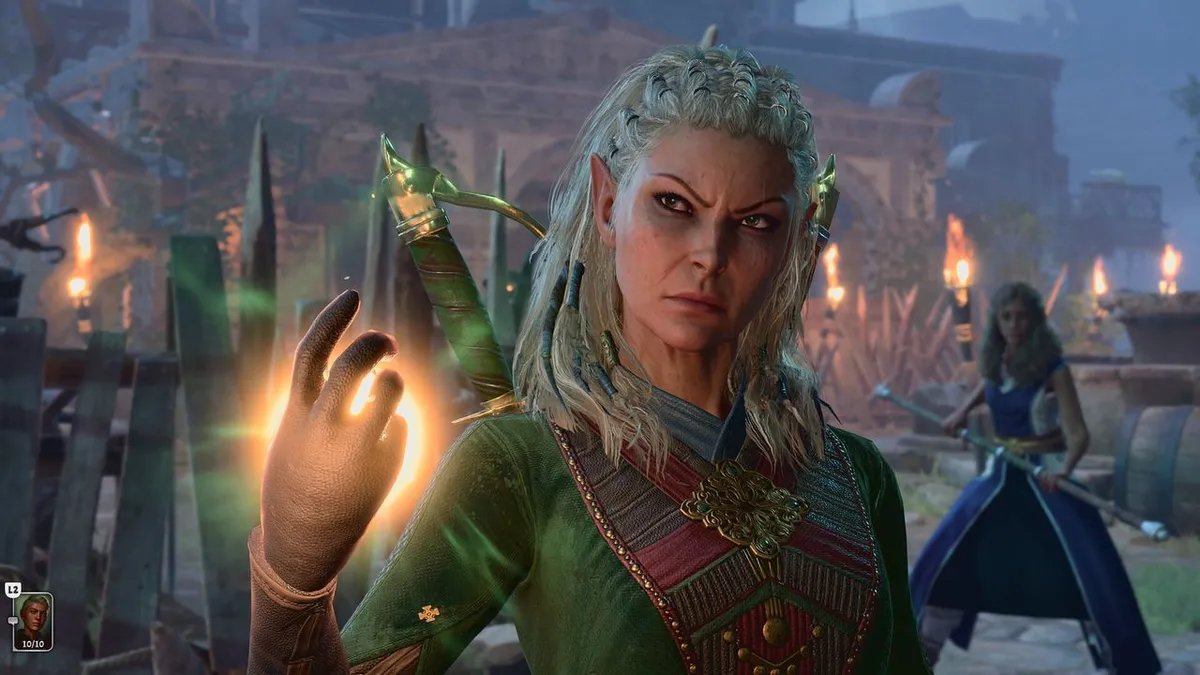
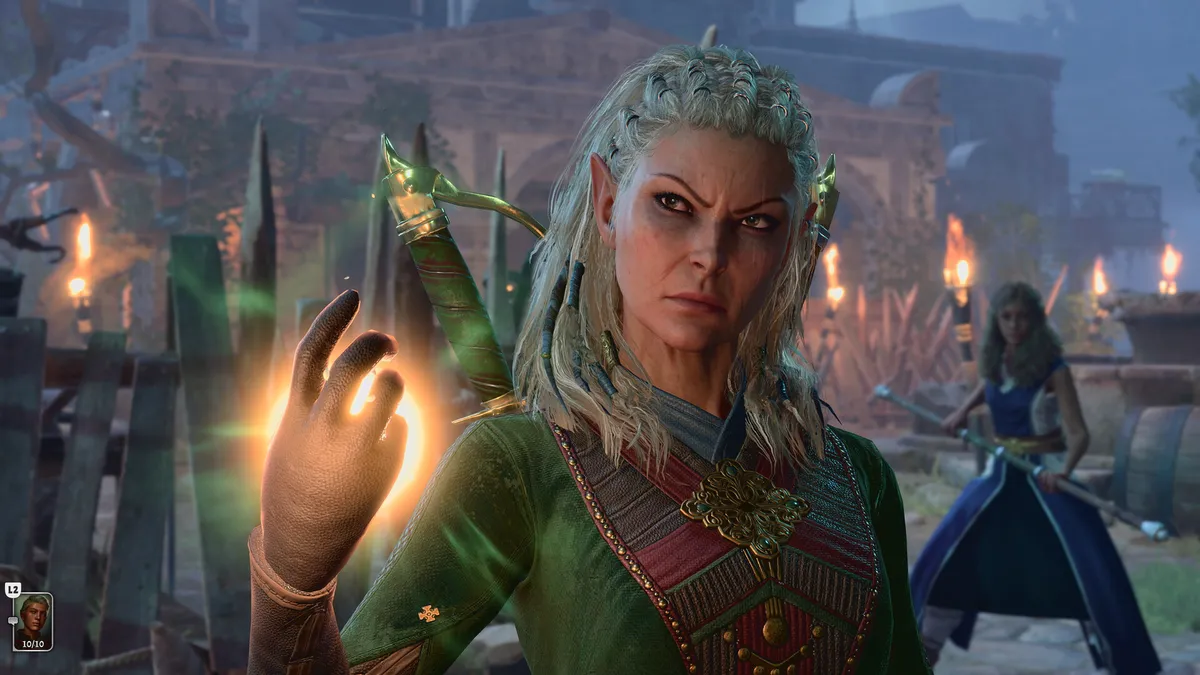
Long before Larian Studios shipped one of the most acclaimed RPGs of the modern era, Obsidian Entertainment was deep in development on its own Baldur's Gate 3 - and according to a former developer, the project died for a remarkably mundane reason: a botched accounting entry.
The story, reported by GamesRadar, comes from a former Obsidian dev who described the cancellation as stemming from what appeared to be a deliberate financial maneuver by Interplay. The source called it "very suspicious on Interplay's part," implying the accounting error may not have been entirely accidental.
A different BG3 that never was
Obsidian was founded in 2003 by veterans of Black Isle Studios, the team behind the original Baldur's Gate games and Planescape: Torment. The studio had the pedigree and the creative DNA to deliver a compelling continuation of the series, making the cancellation all the more gutting in retrospect.
Interplay, once a powerhouse publisher, was already in serious financial trouble in the early-to-mid 2000s. The company lost the Dungeons and Dragons license and entered a prolonged death spiral that would eventually see it reduced to a shell of its former self. The circumstances around Obsidian's BG3 fit neatly into that messy period of corporate dysfunction.
What we got instead
Obsidian would go on to develop Knights of the Old Republic II, Neverwinter Nights 2, and eventually Pillars of Eternity - effectively building its own spiritual successor to the Baldur's Gate legacy when the real license was out of reach. The studio proved it had the chops, even if it never got the shot.
The Baldur's Gate name eventually landed at Beamdog for some enhanced editions and an expansion, before Larian Studios secured the rights and delivered Baldur's Gate 3 in 2023 to massive critical and commercial success. It's fascinating - and a little painful - to imagine an alternate timeline where Obsidian's version made it to shelves first.
Stories like this are a sharp reminder of how much great work gets buried under industry chaos. A potential classic, killed not by creative failure but by what looks like financial sabotage, is the kind of thing that sticks with developers and fans alike for decades.