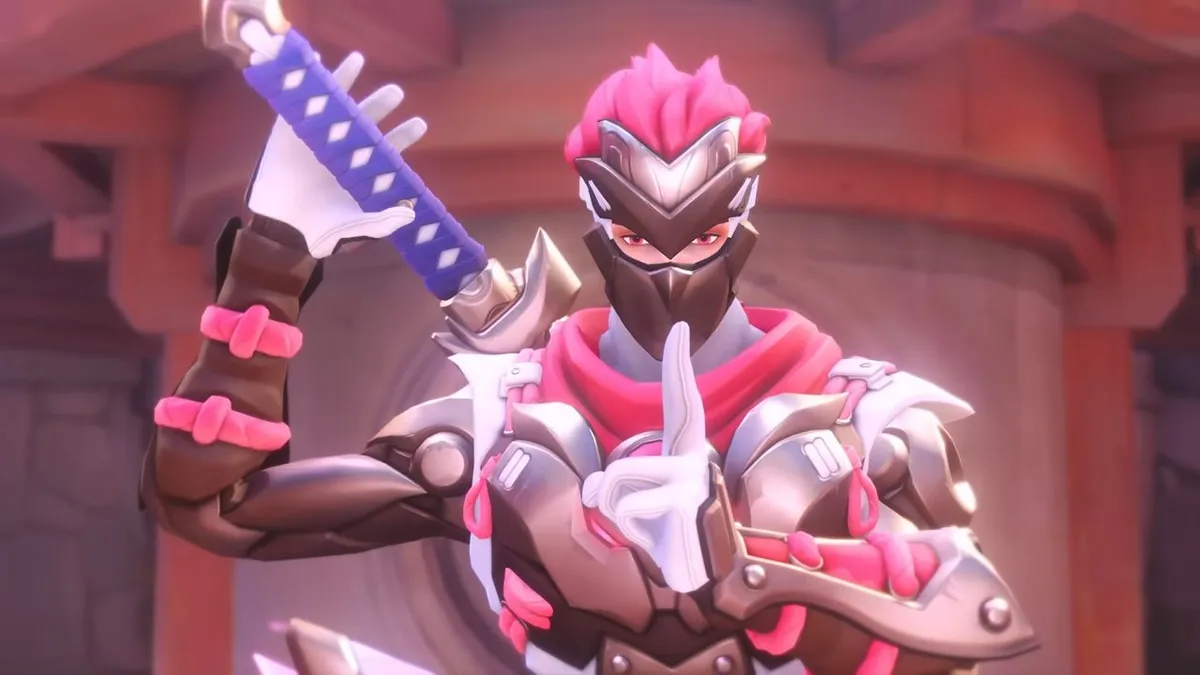
Blizzard is introducing post-match voice chat to Overwatch 2 in Season 2, a feature that lets players keep talking after the final kill cam fades out. According to GamesRadar, the studio is already issuing warnings alongside the announcement, telling players that while "banter is encouraged, abusive communication is not."
Let that sink in for a second. The feature hasn't even launched yet and Blizzard felt the need to pre-emptively remind its player base not to be awful to each other. That's not a great sign of confidence in the community - though anyone who has spent more than ten minutes in a competitive FPS lobby probably understands why.
Why this is a risky move
Post-match voice chat is one of those features that sounds harmless on paper. In practice, it turns the cooldown period after an intense match into a potential harassment window. Win or lose, emotions run high after competitive play, and giving players an open mic the moment the scoreboard appears is a recipe for toxicity at scale.
Overwatch has always had a complicated relationship with player behavior. The game launched its report and endorsement systems years ago specifically to combat in-game toxicity, and the problem has never fully gone away. Adding a new communication channel - especially one tied to the raw, unfiltered emotions of a just-finished match - feels like a step backward on that front.
What Blizzard is hoping for
To be fair, the concept isn't without merit. In theory, post-match chat could foster the kind of casual back-and-forth that makes team-based games feel like a genuine social experience. Good games sometimes deserve a quick "gg" or a moment to appreciate a standout play from the other side. Blizzard is clearly hoping that energy wins out.
The studio's messaging suggests the feature will have opt-out options and standard moderation tools in place, consistent with its existing voice chat systems. Players who want nothing to do with it should be able to mute or disable it entirely.
Still, the fact that the announcement itself came bundled with a behavioral warning is telling. Blizzard knows its audience, and it knows competitive gaming culture well enough to know this feature will get messy. Whether the social upside justifies the toxicity risk is a question Season 2 is going to answer the hard way.