A new industry report has highlighted one of PC gaming's most distinctive traits: it's the only major platform where more than half of all revenue is generated by games that don't crack the top 20 sellers. The findings, reported by GamesRadar, underscore just how different the PC market behaves compared to console platforms, where a handful of blockbusters tend to dominate spending.
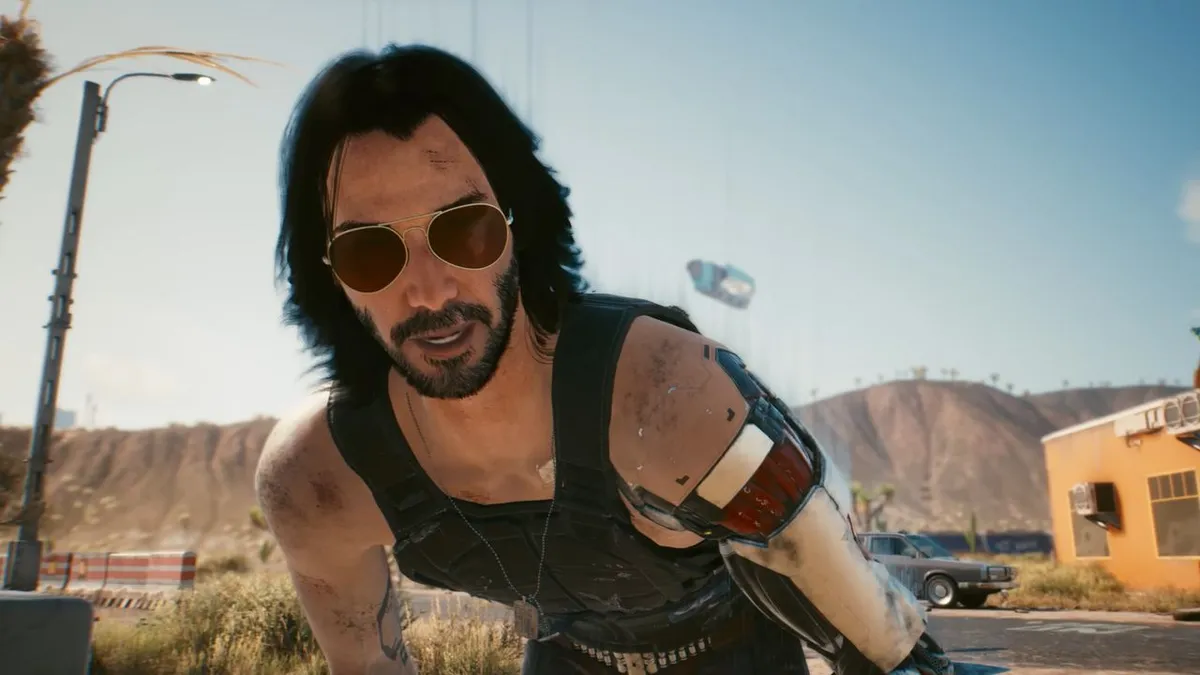
The long-tail effect is driven by evergreen titles that maintain strong sales years after launch. Games like Cyberpunk 2077, Elden Ring, and Skyrim continue pulling in consistent revenue on PC, bolstered by mod support, Steam sales, and the platform's massive global install base. Titles like Red Dead Redemption 2, Rust, and the breakout survival horror hit REPO are also called out as notable contributors to this broader revenue spread.

Why PC behaves differently
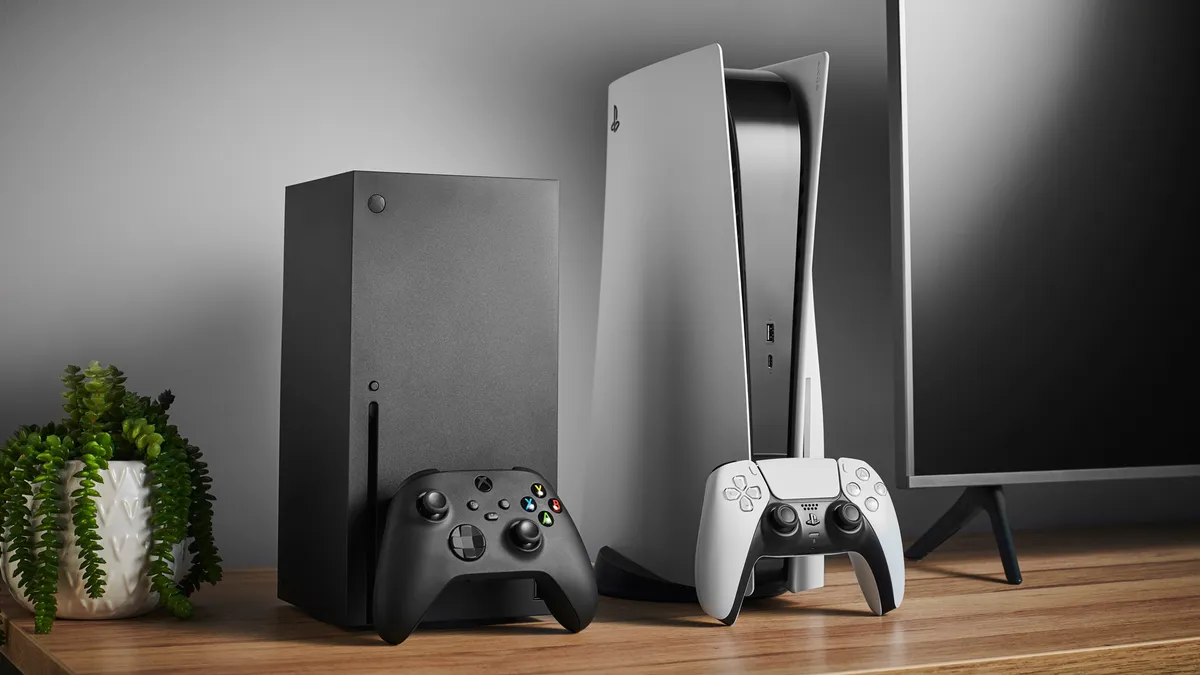
The console market is heavily concentrated around live-service juggernauts and day-one releases, which makes it harder for older or mid-tier games to compete for wallet share. PC, by contrast, has Steam's discovery ecosystem, frequent deep discounts, and a culture of revisiting classics that keeps a much wider catalogue commercially viable for longer.
Mod support plays a significant role here too. Skyrim is practically a case study in how community-driven content can extend a game's commercial life by years, sometimes decades. Cyberpunk 2077's turnaround story post-2.0 update is another example of a title regaining commercial momentum long after its troubled launch window.

What this means for developers
For studios and publishers, the data reinforces the value of building games with long-term legs on PC, rather than chasing a single big launch spike. A well-optimized PC version with ongoing community support can generate returns well beyond what console equivalents produce over the same period.
It also signals that PC players are more likely to dip back into their backlogs and explore outside whatever is currently trending, creating real commercial opportunities for smaller and mid-sized games that would get lost in the noise on PlayStation or Xbox storefronts. In an era where the industry is increasingly nervous about blockbuster budgets and disappointing launches, that's a meaningful distinction worth paying attention to.