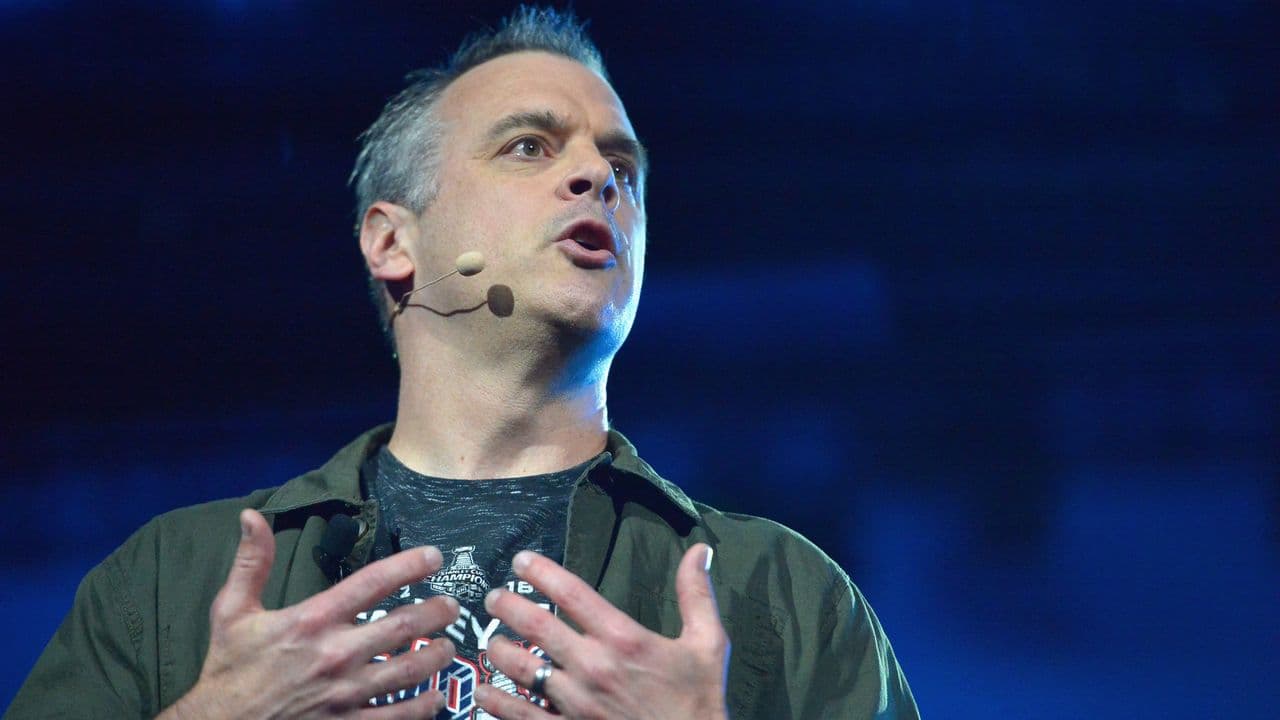
Pete Hines, Bethesda's former vice president of marketing and PR, has spoken candidly about why he walked away from the studio in 2023 - and the language he's using is pretty striking. According to a report by PC Gamer, Hines says he left because he didn't want to witness Bethesda being "damaged" and "abused."
Hines spent over two decades at Bethesda, becoming one of the most recognizable faces in the publisher's public-facing operations. He departed roughly three years after Microsoft completed its $7.5 billion acquisition of ZeniMax Media, Bethesda's parent company, in 2021.
Reading between the lines
The phrasing Hines chose is hard to ignore. Words like "damaged" and "abused" suggest more than a standard career change or desire to pursue new opportunities - they imply a genuine concern about the direction the company was heading under new ownership.
This comes at a particularly turbulent time for Bethesda. Microsoft has been aggressive with studio closures and layoffs across its gaming division, and Bethesda hasn't been immune. The cancellation of projects, combined with the underwhelming reception to Starfield and ongoing questions about The Elder Scrolls 6's development, has put the studio under a microscope in ways it rarely faced before the acquisition.
A pattern emerging at Microsoft
Hines isn't the only senior figure to exit Bethesda since the Microsoft deal closed. Several high-profile departures have followed in the years since, painting a picture of an organization navigating significant cultural and structural change. When veterans with deep institutional knowledge start heading for the exits and using language like this publicly, it tends to signal real friction beneath the surface.
It's worth noting that Hines has not made detailed accusations or pointed fingers at specific individuals or decisions, based on the PC Gamer report. But the sentiment is clear enough - he loved Bethesda, didn't like where things were going, and chose to leave rather than stick around and watch.
What this means for Bethesda going forward
Microsoft has maintained that it remains committed to Bethesda's flagship franchises, including The Elder Scrolls, Fallout, and Doom. But public statements from executives don't always reflect ground-level reality, and comments like Hines' tend to fuel skepticism among fans already nervous about their favorite IPs.
For a studio that built its reputation over decades on the back of passionate, long-tenured developers and staff, the loss of institutional memory and morale is a real risk - one that doesn't always show up immediately in games, but eventually does.