
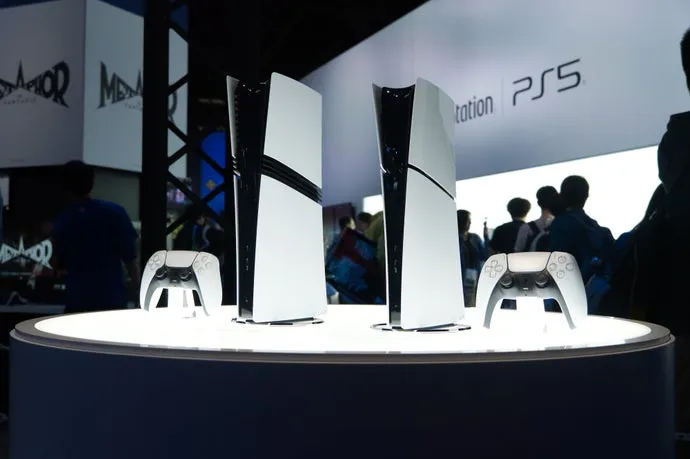
Sony's announcement of global PlayStation 5 price increases triggered an immediate consumer response, with US weekly unit and dollar sales of PS5 hardware spiking sharply in the days following the news, according to data reported by GamesIndustry.biz. It's a classic panic-buy scenario - the kind of market behavior retailers know well.
Sony cited "continued pressures in the global economic landscape" as the driver behind the price adjustments, a phrase that covers everything from currency fluctuations to ongoing supply chain costs. The increases affect multiple regions, and while the US had previously avoided some of Sony's earlier price adjustments in other markets, that cushion is now gone.
Why this matters beyond the sales bump
The spike in sales is encouraging on a surface level for Sony's hardware numbers, but it represents a complicated kind of win. Demand that gets pulled forward to beat a price rise is demand that won't be there in the weeks that follow - so expect a correction in the sales data soon after the new pricing settled in.
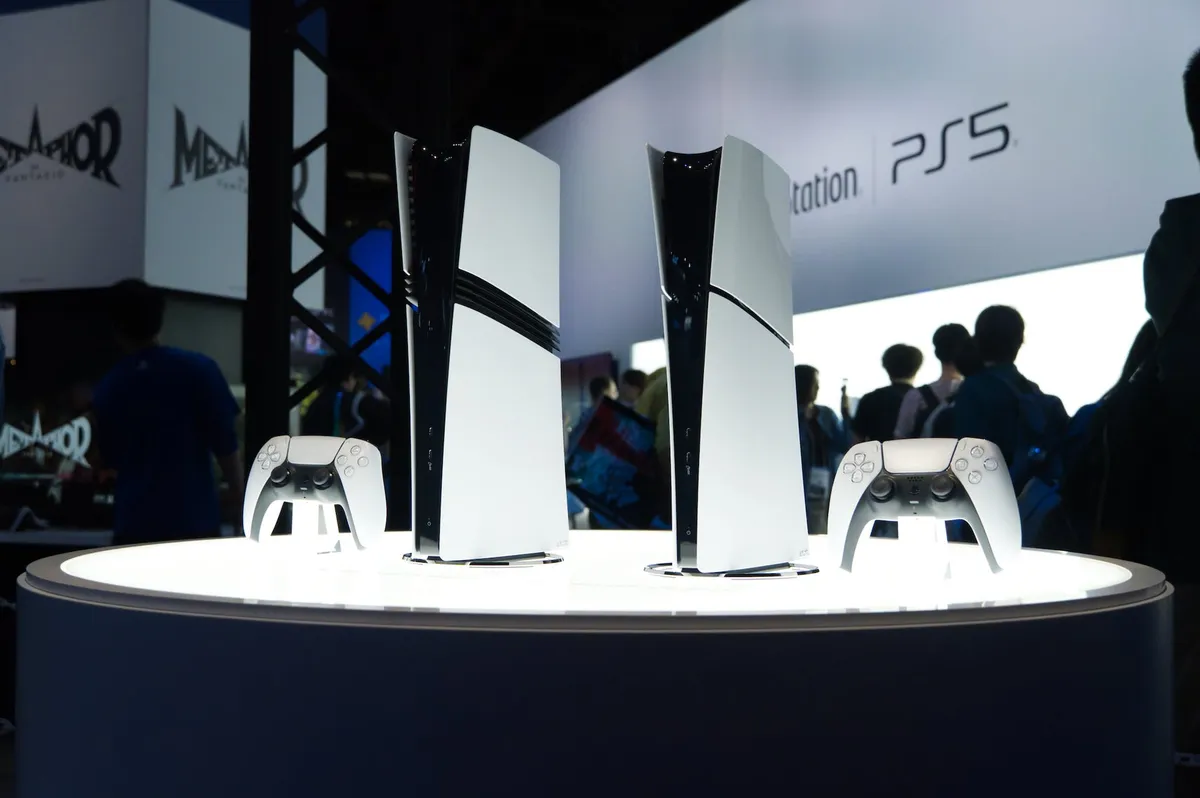
For the broader console market, this is a notable moment. PS5 is now several years into its lifecycle, and price increases at this stage run counter to the traditional console pricing curve, where hardware typically gets cheaper as manufacturing costs decline and competition increases. The fact that Sony is moving in the opposite direction signals just how persistent the economic headwinds have been for hardware makers.
What it means for players still on the fence
If you've been sitting on the fence about picking up a PS5, the window to grab one at the old price has likely already closed depending on your region. Retailers may still have some pre-hike stock moving through, but that inventory won't last long given the recent sales surge.
Sony's PlayStation 5 library is deep enough at this point that the value proposition remains solid even at a higher price point - but that's a harder sell in a market where consumer spending is already stretched thin. The next few months of hardware sales data will tell us a lot about how price-sensitive the remaining PS5 holdouts actually are.