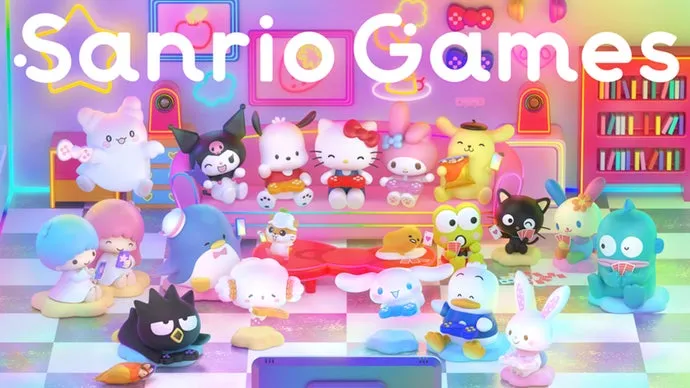
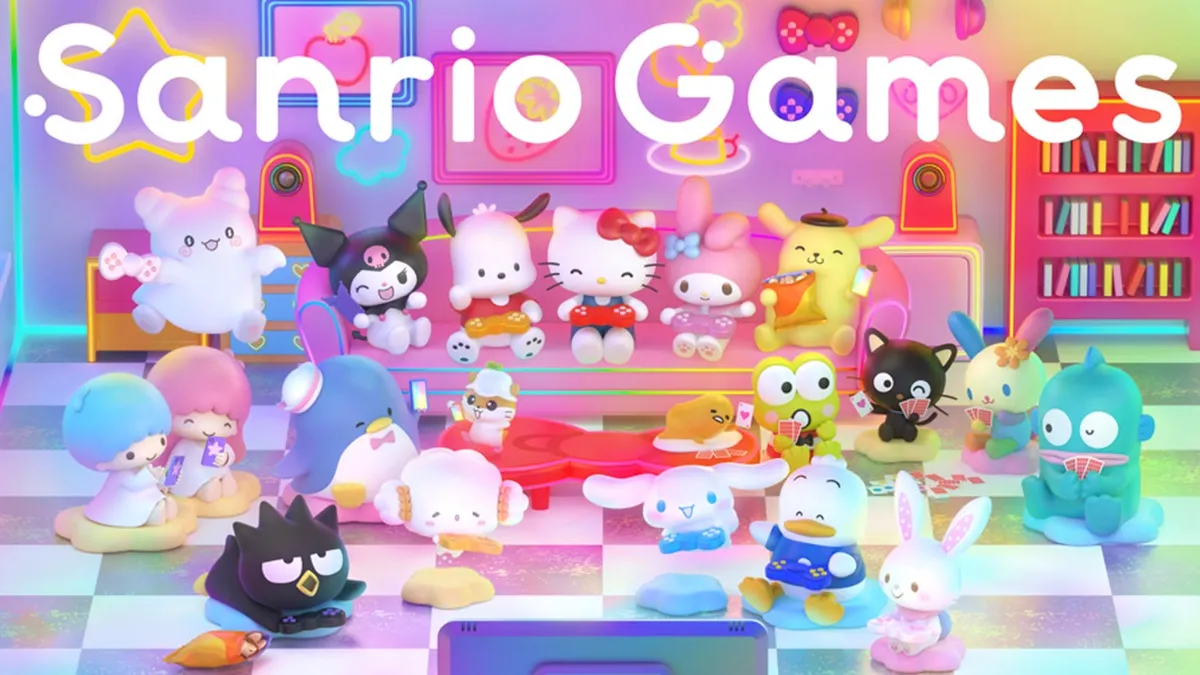
Sanrio, the Japanese lifestyle brand behind Hello Kitty and a roster of beloved characters, has officially established Sanrio Games - a dedicated in-house gaming label for self-published titles, according to GamesIndustry.biz. The move signals a more deliberate, structured approach to gaming from a company whose IP has appeared in countless titles over the decades.
Rather than continuing to license its characters out and leave game development entirely to third parties, Sanrio is now building a brand identity specifically for the games space. This kind of vertical push isn't surprising - major IP holders across entertainment have been pulling development closer to home as the games industry proves itself a dominant cultural and commercial force.
Why this matters
Sanrio's character lineup is genuinely massive. Hello Kitty is the obvious flagship, but the company also owns Cinnamoroll, My Melody, Pompompurin, Kuromi, and dozens of others - all of which carry serious fanbases that skew heavily toward the kind of players who drive mobile and cozy game markets. A dedicated publishing arm means Sanrio can build consistent quality standards and brand cohesion across its game releases rather than producing scattershot licensed titles with varying production values.
The cozy and casual game market has exploded in recent years, with titles like Animal Crossing, Stardew Valley, and a wave of mobile games pulling in audiences who might not identify as traditional gamers. Sanrio's aesthetic fits squarely into that lane, and having direct publishing control could let the company chase that audience more strategically.
A growing trend among IP giants
Sanrio isn't the first major non-gaming brand to recognize that owning the publishing pipeline matters. The games industry has seen entertainment companies, toy brands, and media giants all move to exert more direct control over how their IP is represented in interactive spaces. Quality control and brand safety are obvious motivators - nobody wants a beloved character attached to a poorly received game.
Details on what Sanrio Games' first slate of titles will look like haven't been fully outlined yet, but the infrastructure is now in place. For fans of Sanrio's character universe, the hope is that direct ownership translates to more polished, more authentic gaming experiences rather than the quick-turnaround licensed fare the brand has sometimes been associated with. The foundation is there - now the execution has to follow.