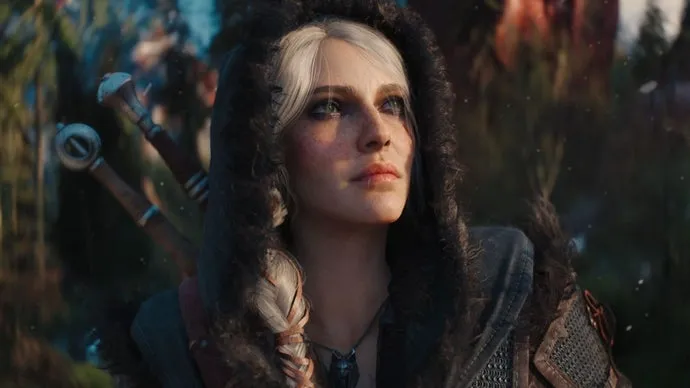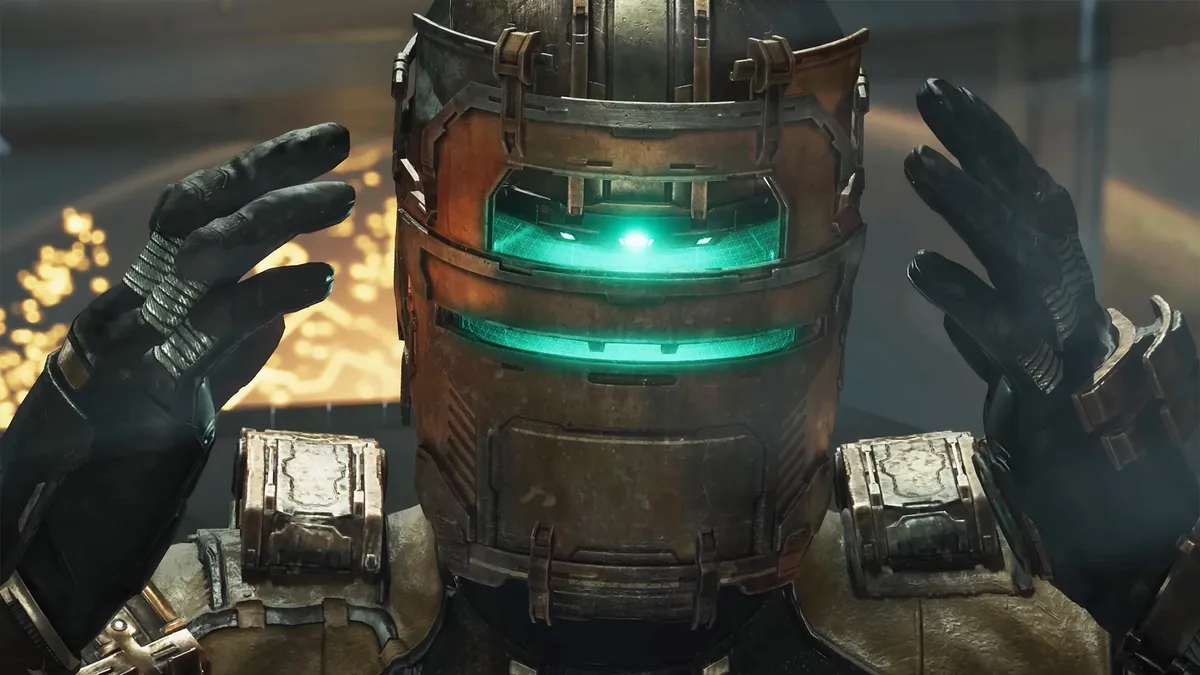

If you've been feeling like AAA games have spent the last few years desperately trying to be anything other than games - prestige TV, political statements, walking simulators with $70 price tags - Polygon's latest Patch Notes column makes a compelling case that the tide might be turning. Saros from Housemarque and Capcom's long-gestating Pragmata are held up as a pair of titles that seem comfortable, even enthusiastic, about being pure video game experiences.
The piece highlights how both titles lean into sci-fi shooter fundamentals without apparent shame. Housemarque, the studio behind the roguelike shooter Returnal, is developing Saros, and if their pedigree is anything to go by, expect systems-heavy gameplay that rewards mastery over narrative hand-holding. Pragmata, meanwhile, has been in Capcom's oven since its surprise 2020 reveal and is shaping up as a character-action adjacent experience set in a dystopian near-future.
Why this pairing matters
What Polygon identifies as notable isn't just that these games look promising in isolation - it's that they represent a specific design philosophy that felt endangered for a while. The "video-game-ass video game" label isn't a slight; it's a badge of honor for titles that prioritize mechanics, feel, and player agency over industry-wide anxieties about mainstream acceptance.
There's been a quiet but growing appetite for this kind of game. Returnal found its audience despite being a brutally difficult roguelike on a $70 console. Ultrakill built a devoted community on PC. Even Elden Ring, for all its crossover appeal, is fundamentally a deeply weird game about hitting things with swords in a labyrinthine world. Players are clearly not scared of games that ask something of them.
Whether it's a trend is the real question
Polygon is careful not to overstate the case - two games don't make a movement, and both Saros and Pragmata still need to actually ship and deliver on their promises. Pragmata in particular has had a famously turbulent development timeline, with multiple delay announcements since its initial reveal.
But the symbolic weight of a Sony first-party studio and one of gaming's most respected publishers both pushing unambiguously game-y experiences in the same release window is at least worth noting. If both land well, it could provide some commercial data to back up what many players have been saying for years - that there's a hungry audience for games that just want to be games, no apologies necessary.