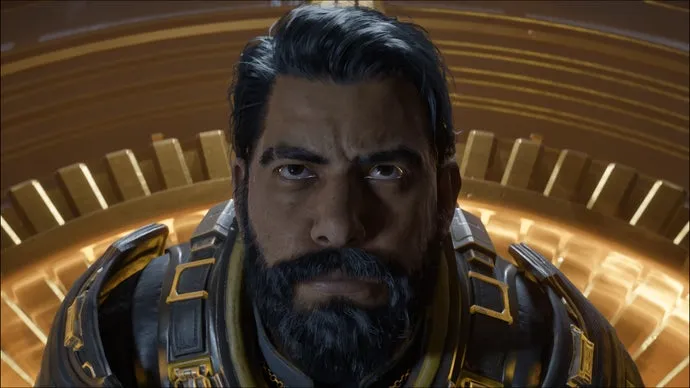

Housemarque's latest, Saros, is drawing serious attention from critics, and GameSpot's review gives a clear picture of why. The studio's follow-up to Returnal keeps the DNA intact - third-person shooting, bullet-hell intensity, sci-fi atmosphere - but makes some fundamental changes to the roguelite structure that pay off in a big way.
According to GameSpot, the biggest differentiator is how Saros redefines what a "run" actually means. Where most roguelites treat each attempt as a relatively contained loop, Saros stretches that concept considerably, giving the progression a different cadence and rhythm that sets it apart from its predecessor.
Flipping the formula
GameSpot's review describes the approach as "flipping Housemarque's roguelite formula on its head," which is a bold claim for a studio already known for mastering the genre. Rather than simply iterating on Returnal's blueprint, Saros appears to challenge some of its core assumptions about how failure, growth, and momentum should feel.
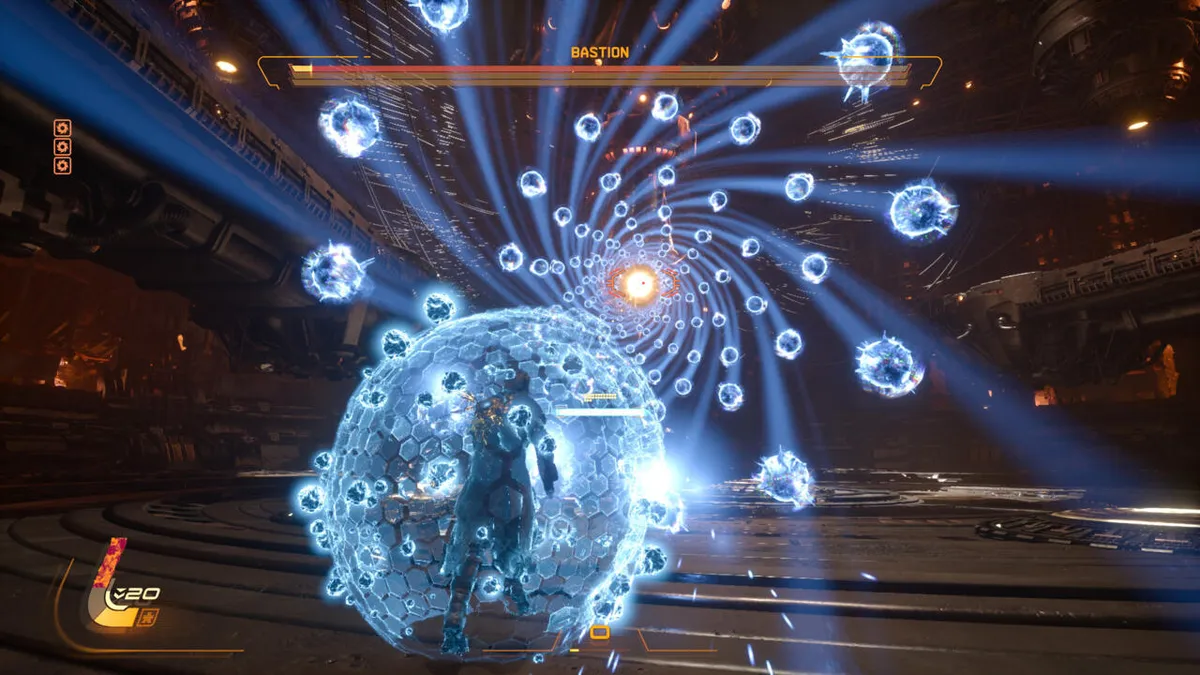
The result, per the review, is a game that doesn't just stand alongside Returnal - it actively improves upon it. That's no small feat given how well-regarded Returnal became in the years following its PS5 launch.
Still unmistakably Housemarque
Fans of the studio's signature style won't be left wanting. The bullet-hell shooting and sci-fi aesthetic remain central to the experience, so the studio isn't abandoning what made it iconic. The changes are structural and mechanical rather than cosmetic, which suggests Housemarque has been thinking critically about the genre rather than just producing a sequel.
GameSpot summarizes the game as seducing players "every step of the way," which points to strong moment-to-moment feel alongside the bigger design ambitions. For a genre where game feel is everything, that kind of language from a reviewer carries real weight.
Saros is shaping up to be one of the more interesting releases of the year for fans of action-heavy roguelites. Whether it lands as definitively as Returnal did at PS5 launch remains to be seen, but early critical reception suggests Housemarque hasn't lost its edge.