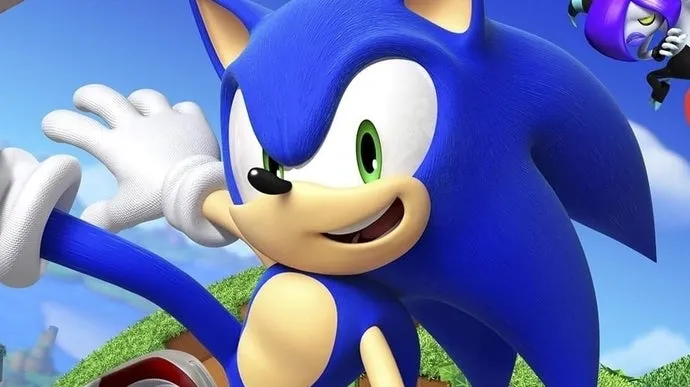
SEGA is getting absolutely roasted online after it emerged that a recent Sonic the Hedgehog alternate-reality game - one of those cool viral marketing campaigns that unfolds across the internet - was quietly harvesting participant data to train generative AI models. According to Eurogamer, players who dove into the ARG basically agreed to become unpaid NPCs in SEGA's AI training pipeline.
For the uninitiated, ARGs are interactive marketing experiences where fans solve puzzles and follow clues scattered across websites, social media, and other platforms. They're usually a love letter from the devs to the most dedicated fans - not, you know, a data farm disguised as a fun time.
The backlash has been swift and merciless, as you'd expect when a beloved blue mascot's hype campaign turns out to have a hidden side quest nobody signed up for. Players who enthusiastically participated feel genuinely betrayed - which, honestly, is a pretty reasonable reaction when you find out your engagement was being fed into a generative AI model without any clear, upfront disclosure.

The consent issue is the real final boss here
The core problem isn't just that AI training happened - it's the "sneakily" part. Burying consent in terms and conditions or opt-in language that players are unlikely to notice is a classic dark pattern move, and the gaming community has been burned enough times to recognize it. This isn't a Day 1 patch kind of fix; it's a fundamental trust issue.
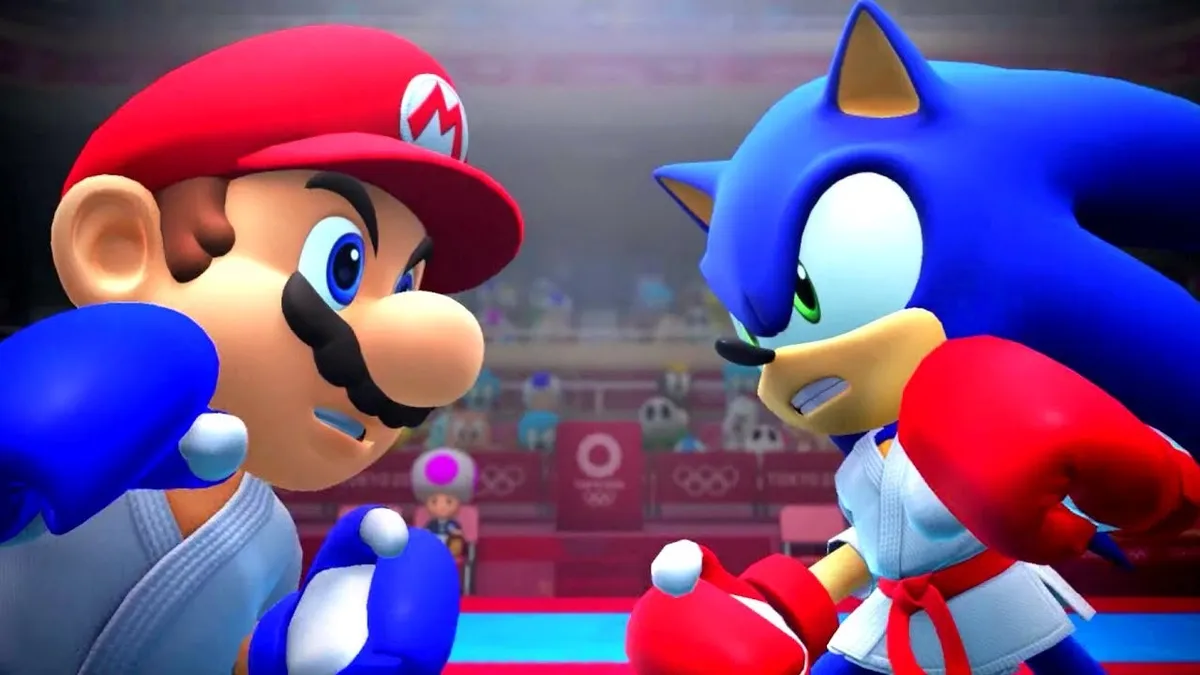
SEGA has been trying to rebuild goodwill with Sonic fans for years - a journey that involved one famously cursed movie trailer, a whole lot of mid games, and eventually some genuine wins. Pulling a move like this feels like dropping a save file from a hard-earned checkpoint.
The bigger picture for gaming ARGs
This situation raises uncomfortable questions about the future of fan-engagement campaigns across the industry. If companies start routinely using ARGs as a Trojan horse for AI data collection, it poisons the well for everyone. These campaigns thrive on trust and community enthusiasm - two resources that are really hard to grind back once depleted.
Right now, SEGA hasn't issued a detailed public response addressing the specifics of the backlash, per Eurogamer's reporting. Whether they'll respawn with an apology or quietly hope the discourse despawns on its own remains to be seen. Either way, this one's going to leave a mark on the speedrun record of bad PR moments for 2025.