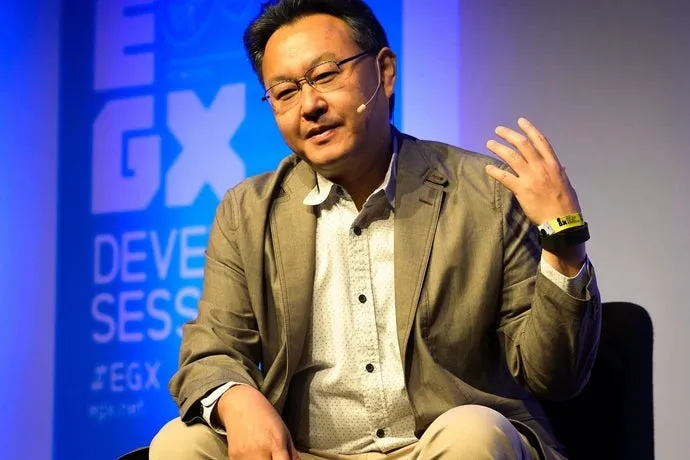
Shuhei Yoshida, one of the most recognizable faces in PlayStation's history, has spoken candidly about why he was removed from his role leading Sony's first-party Worldwide Studios. According to a report from Eurogamer, Yoshida says former PlayStation boss Jim Ryan let him go because he simply didn't listen to him.
Yoshida spent decades at Sony, serving as a beloved ambassador for PlayStation's developer-focused culture and championing indie games through initiatives that gave smaller studios a genuine platform on PlayStation hardware. His departure from the Worldwide Studios president role back in 2019 raised eyebrows at the time, with the official messaging keeping things vague.
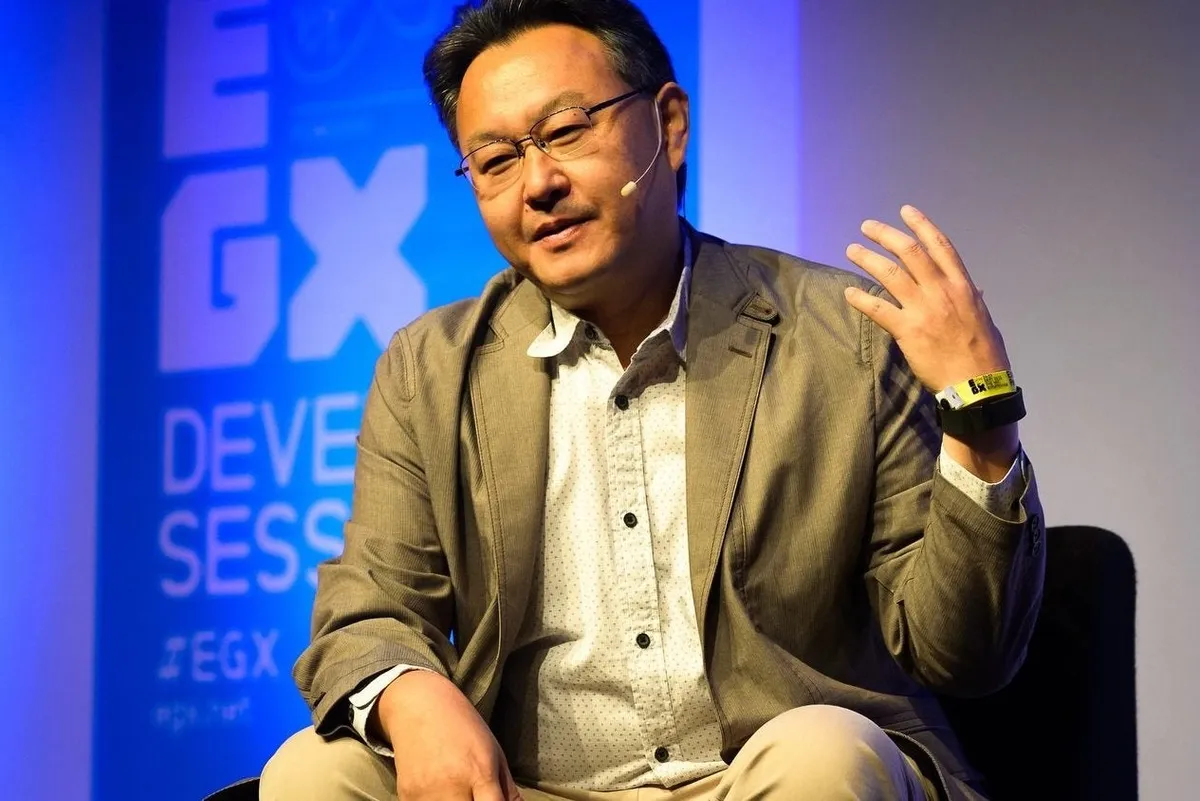
The candid admission adds important context to what was a significant organizational shift at PlayStation. Ryan, who served as PlayStation's CEO until his own departure in 2024, oversaw a period of major strategic changes at the company - including a push toward live-service games and a more corporate, commercially driven approach that didn't always sit well with PlayStation's creative old guard.

Yoshida's willingness to push back against leadership decisions apparently made him a friction point rather than an asset in that environment. It's a familiar story in the games industry, where creative executives and business-minded leadership sometimes operate on fundamentally different wavelengths.

After being moved out of Worldwide Studios, Yoshida was repositioned to lead an indie developer initiative at PlayStation - a role that felt like a graceful sidestep rather than a genuine promotion. He eventually left Sony altogether in late 2024, ending a tenure that stretched back to the original PlayStation era.
Yoshida remains widely respected across the industry, both by developers and players, and his frank comments suggest there's more story to tell about the internal tensions that shaped PlayStation's direction during the Ryan years. Whether this opens the door to more revelations about that period remains to be seen, but it's a rare moment of transparency from an executive who spent most of his career as one of Sony's most polished public figures.