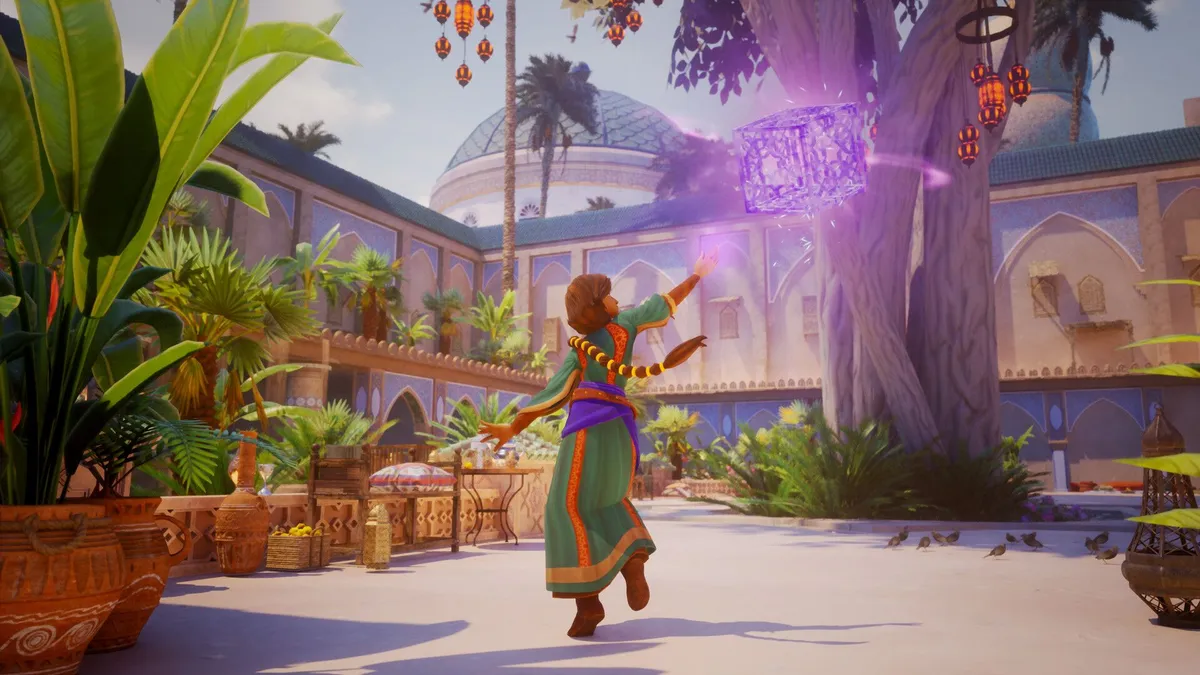
The House of Hikmah doesn't fit neatly into any box, and that's exactly what makes it worth paying attention to. According to Polygon's review, this puzzle-platformer manages to do something genuinely rare - it weaves personal storytelling about grief alongside a celebration of the Islamic Golden Age without either thread feeling shortchanged.
The game draws its name and inspiration from the legendary Bayt al-Hikmah, the historic House of Wisdom in Baghdad that served as a hub of scholarship and translation during the Islamic Golden Age. That's rich source material, and by all accounts the game leans into it with real affection and care.
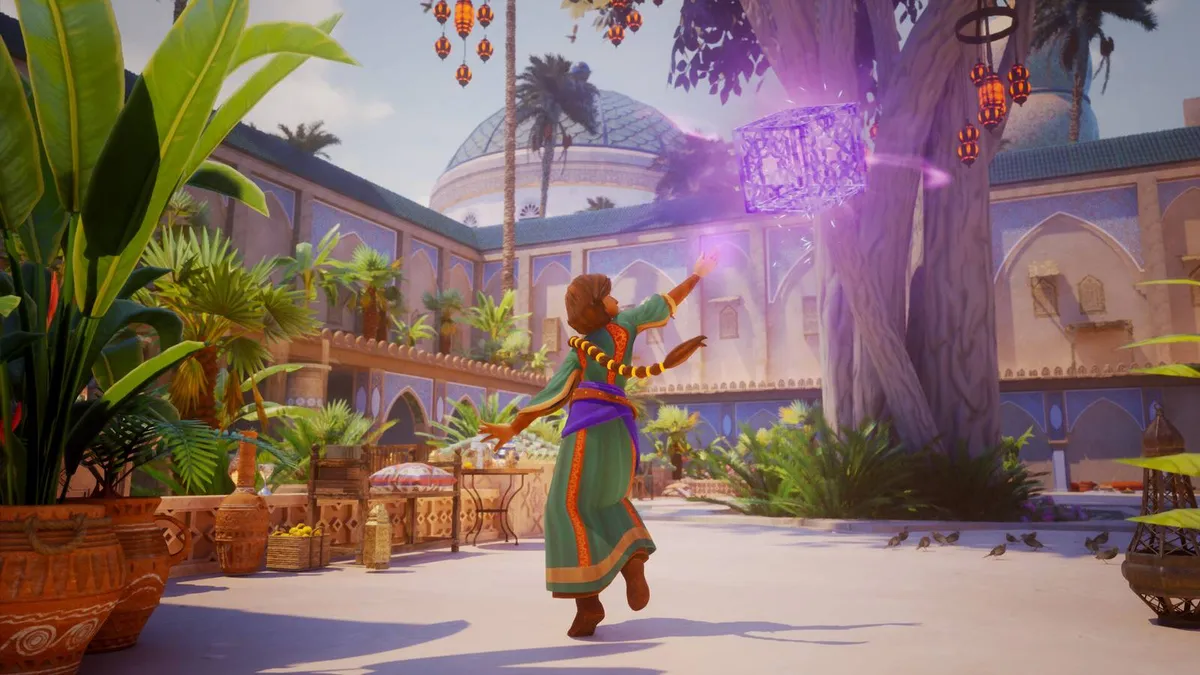
Puzzles with purpose
Polygon describes the experience as endearing, which in this context feels like genuine praise rather than damning with faint words. Puzzle-platformers live and die by how satisfying their mechanics feel against their setting, and The House of Hikmah appears to earn that harmony between gameplay and subject matter.
The grief narrative running through the experience adds emotional weight that elevates it beyond a history lesson with jump mechanics. Games tackling bereavement have had strong showings in recent years - think Spiritfarer or Gris - and The House of Hikmah looks to be carving out its own space in that conversation.
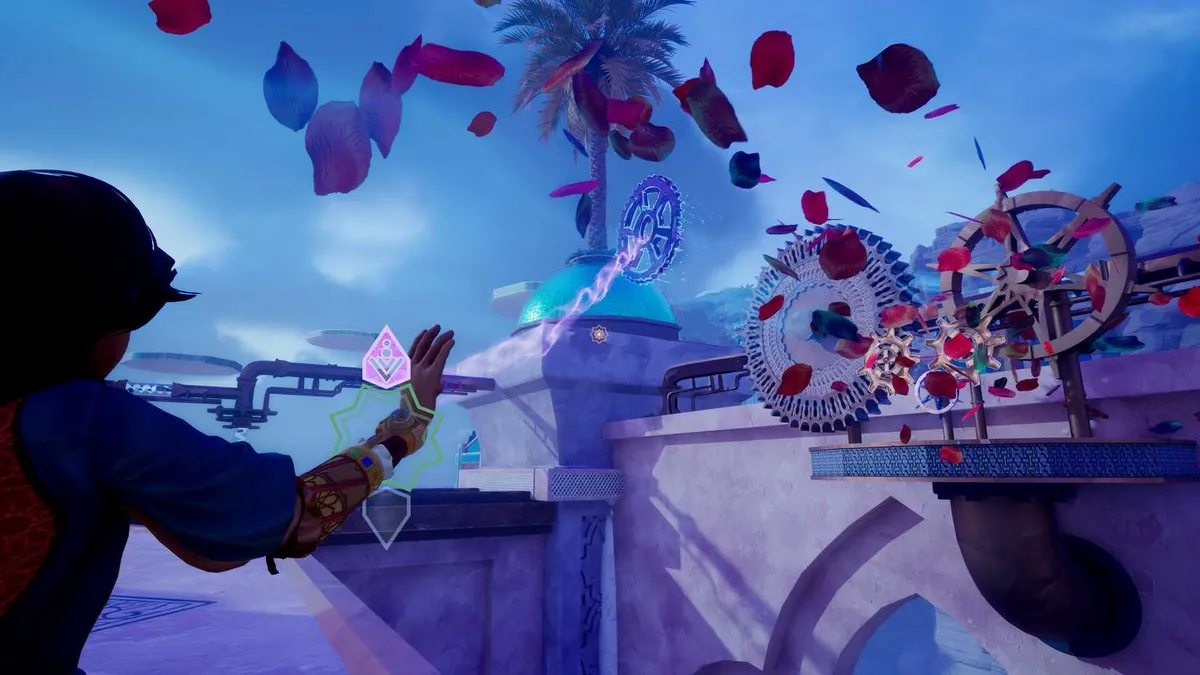
Why this one matters
Islamic history and culture remain dramatically underrepresented in gaming, full stop. A puzzle-platformer rooted in one of humanity's most intellectually vibrant historical periods - a time of advances in mathematics, astronomy, medicine, and philosophy - is exactly the kind of gap the medium should be filling more often. The fact that it's also reportedly a quality game makes it all the more significant.
For players looking for something that expands what games can cover and who they speak to, The House of Hikmah looks like a strong candidate. Polygon's framing of it as a celebration rather than a dry educational exercise suggests the development team understood that history is most powerful when it's felt, not just presented.
Check out the full review over at Polygon for the complete breakdown.