
Forget your traditional multiplayer lobbies and sweaty ranked queues. DigixArt's Tides of Tomorrow is here to make you feel things on the high seas, and according to TechRaptor's review, it's doing a pretty solid job of it.
The game drops you into an oceanic, post-apocalyptic world where plastic pollution has basically speedrun the planet's destruction. Classic. But instead of the usual PvP chaos, Tides of Tomorrow runs on an asynchronous multiplayer system - meaning you're sharing the world with other players without ever actually meeting them in real time. Think of it like leaving a message in a bottle, except the bottle is a narrative decision that shapes someone else's entire run.

The ghost-player mechanic is doing heavy lifting here
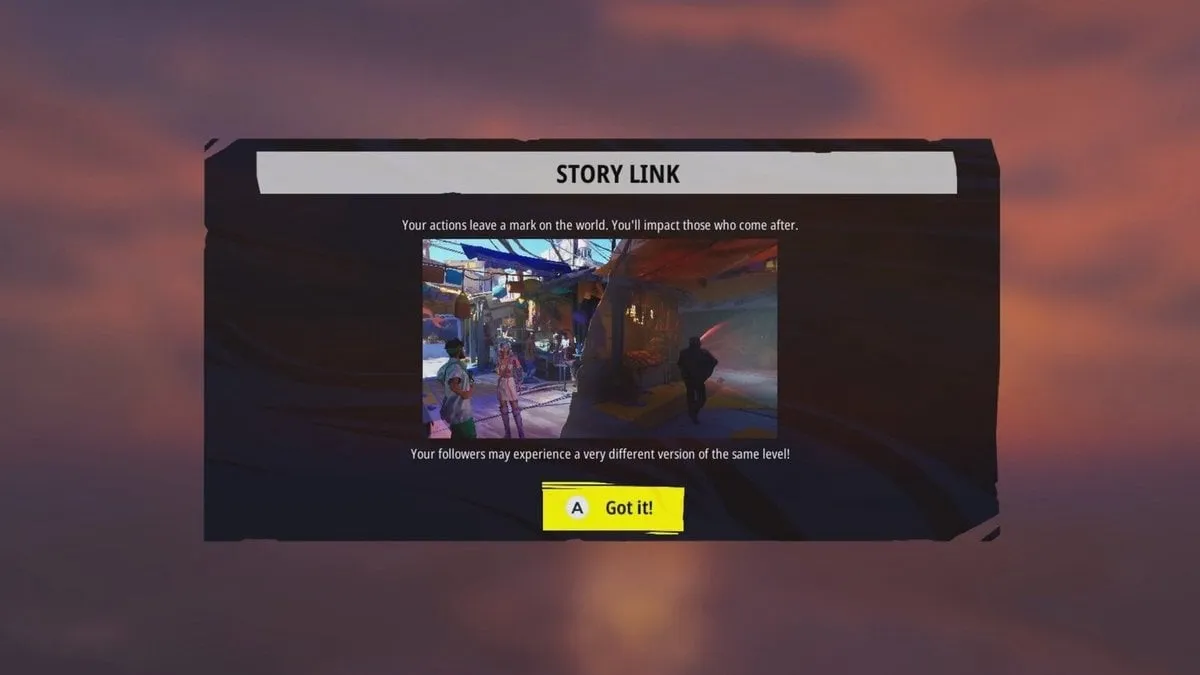
The big hook is the "Tidewalker" system. You can follow the paths left behind by other players, using their choices as a kind of ghostly roadmap, or you can go full chaos gremlin and blaze your own trail - curses and all. TechRaptor notes that this creates a genuinely interesting push-and-pull between community cooperation and individual storytelling.

It's basically the Dark Souls message system but with feelings attached and significantly less "try finger but hole" energy. The asynchronous structure means every playthrough feels like it exists in conversation with thousands of other players, without the soul-crushing pressure of a live session.
Pretty waves, big questions
The plastic-sea aesthetic is doing a lot of world-building work here. DigixArt - the studio behind 11-11: Memories Retold - clearly has a taste for narrative-heavy, visually distinctive experiences, and Tides of Tomorrow looks to continue that tradition.
TechRaptor's review frames it as a narrative adventure first and a multiplayer game second, which honestly sounds like a refreshing change of pace from the live-service grind we've all been trapped in since approximately forever. If you've been waiting for a game that lets you be the side character in someone else's story while also starring in your own, this might just be your next main-save slot obsession.
You can read the full review over at TechRaptor.