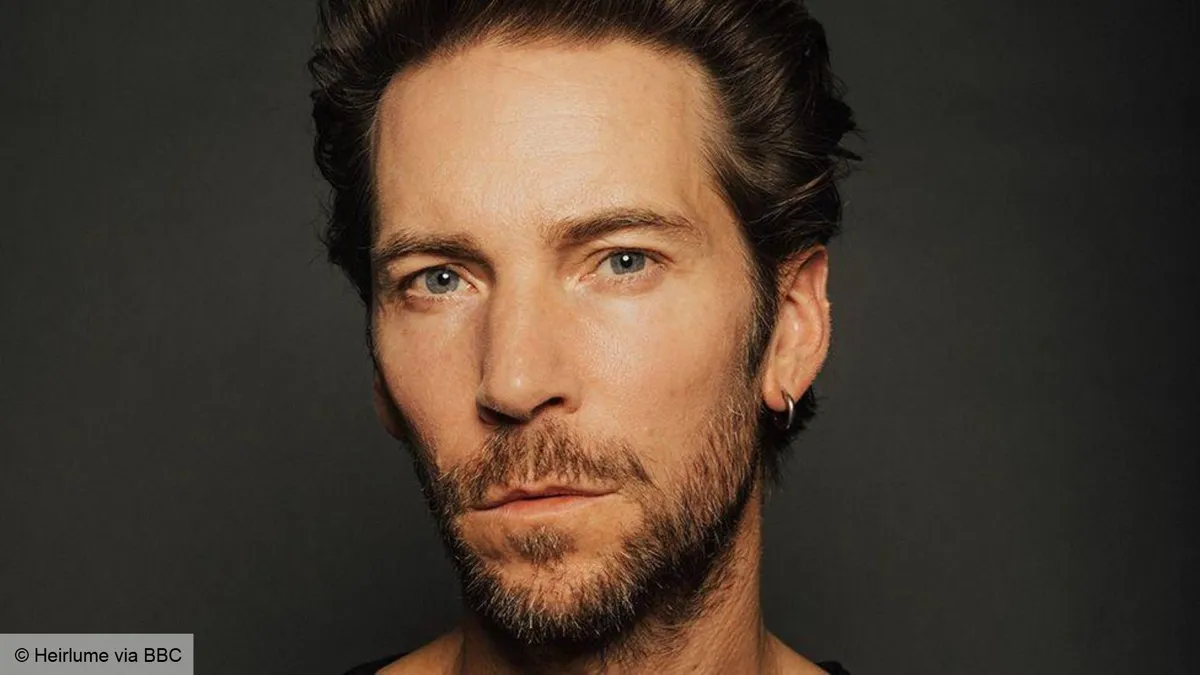
Troy Baker, the voice behind Joel in The Last of Us and arguably one of the most recognizable faces in video game performance, has revealed ambitions that go well beyond acting. According to PCGamesN, Baker wants to found his own game studio - not just to stay busy, but to gain genuine creative ownership over the stories he tells.
Baker's motivation seems rooted in a desire for authorship rather than performance-for-hire. As a prolific actor who has voiced major characters across dozens of high-profile titles, he's clearly seen enough of the industry to know what he wants to build - and what pitfalls to avoid.
The caveat, though, is that he's not rushing into anything. Baker has been clear that he wants to "do it right," suggesting he's thinking carefully about the foundation of any potential studio rather than jumping in headfirst. That kind of measured approach is refreshing in an industry where new studios sometimes launch on hype alone, only to stumble through development chaos.

Why this matters
Baker transitioning into a studio founder role would be a notable shift in how we think about talent in games. Voice actors and performance capture artists have historically been at the mercy of developers' creative decisions, often delivering incredible work within tight constraints they had no hand in shaping. A studio led by someone with Baker's performance background could bring a genuinely different perspective to narrative-driven game development.

It also fits a broader trend of talent seeking more vertical integration. We've seen writers, directors, and actors across entertainment move toward owning their IP and controlling production pipelines. Games are no exception, and Baker seems acutely aware of what creative control could mean for the quality and authenticity of his work.
Still early days
No formal announcements have been made, and Baker hasn't attached any specific projects or partners to the idea yet. This is firmly in the "aspirational" category for now. But given his reputation, his industry connections, and the clear-eyed way he's talking about the project, it's worth keeping on your radar.
Whether this eventually becomes a full studio launch or stays a long-term goal, Baker's interest in stepping behind the curtain creatively is a compelling story for anyone who cares about how narrative games get made - and who gets to shape them.