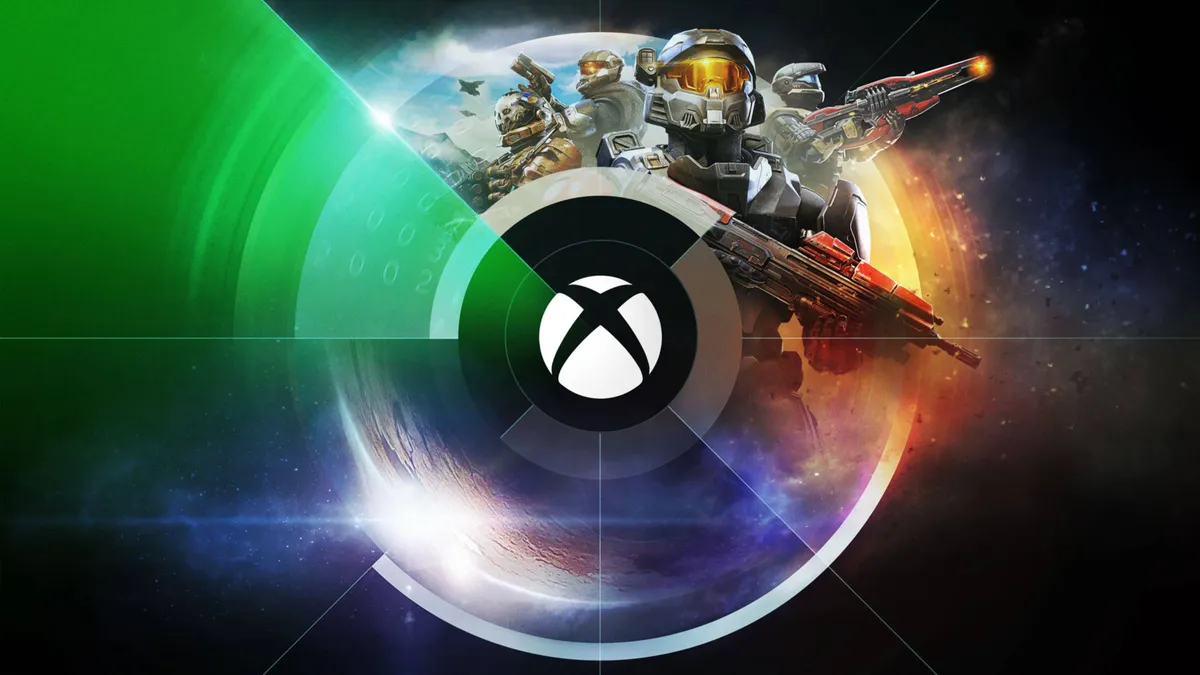
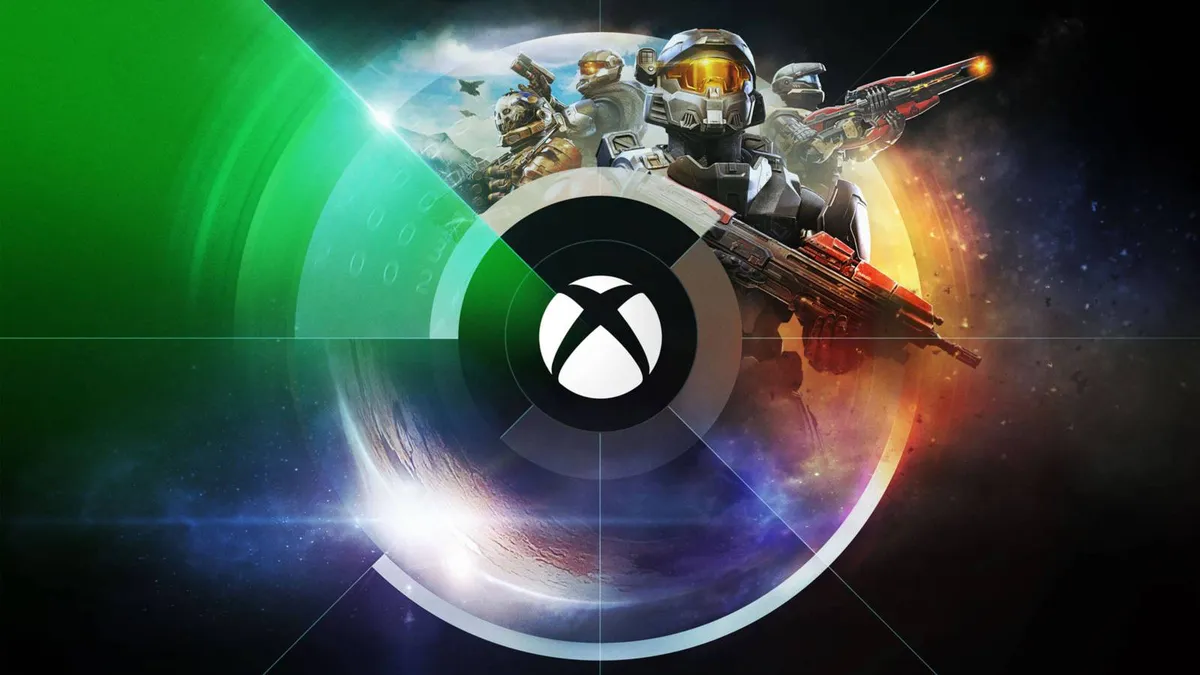
The conversation around Xbox exclusivity might not be as dead as it seemed. According to a report from The Gamer, an industry insider claims that Microsoft is currently having what they describe as "big discussions" internally about potentially returning to exclusive game releases.
This will come as a relief to a portion of the Xbox community that has watched the platform's identity shift dramatically over the past couple of years. Microsoft's aggressive multiplatform push - bringing titles like Hi-Fi Rush, Pentiment, and eventually even Halo to PlayStation and other platforms - left many wondering whether there was any strategic reason left to own an Xbox console or invest in Game Pass over a competitor's ecosystem.
Why this matters for the platform
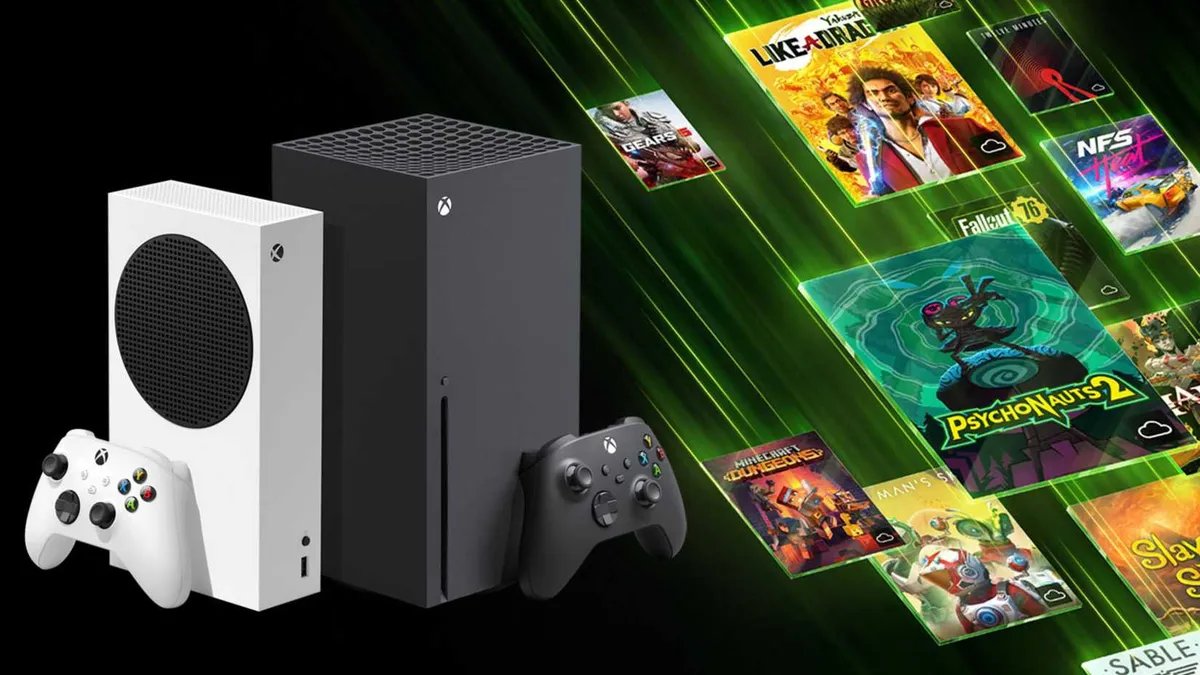
The exclusivity question isn't just about bragging rights. Platform exclusives historically serve as the clearest signal of first-party investment and help define a console's identity. Sony built its current dominance largely on the strength of PlayStation exclusives, and Nintendo's entire business model revolves around keeping its biggest franchises off competing hardware.
Microsoft's multiplatform strategy made financial sense on paper - more players buying more games across more storefronts. But the long-term cost has been a blurring of what makes Xbox, as a platform, worth choosing over the alternatives.
What an insider claim actually means
It's worth keeping expectations measured here. "Big discussions" happening internally doesn't mean a policy shift is imminent, or that it will happen at all. Corporate strategy conversations often produce nothing actionable, and Microsoft has shown it's willing to pivot dramatically on platform strategy with little warning in either direction.
That said, the fact that exclusivity is reportedly still being debated suggests the multiplatform-everything approach hasn't been locked in as permanent doctrine. There's clearly internal disagreement or at least ongoing evaluation, which leaves the door open for Xbox to course-correct if the current strategy continues to underperform in terms of hardware sales and subscriber growth.
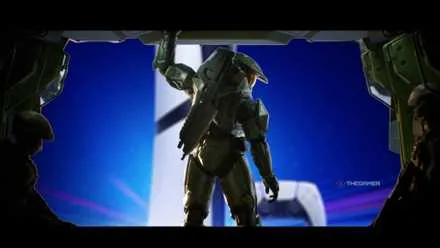
The bigger picture
Xbox has been in a complicated spot since the Activision Blizzard acquisition closed. The company now owns some of the biggest franchises in gaming - Call of Duty, Diablo, World of Warcraft - and has largely chosen to distribute them as widely as possible rather than use them as platform leverage. Whether that remains the playbook going into the next hardware generation is the real question hanging over all of this.
Fans hoping for a more defined Xbox identity will be watching closely. For now, the takeaway is simply that the conversation is still live - and that's more than most expected.