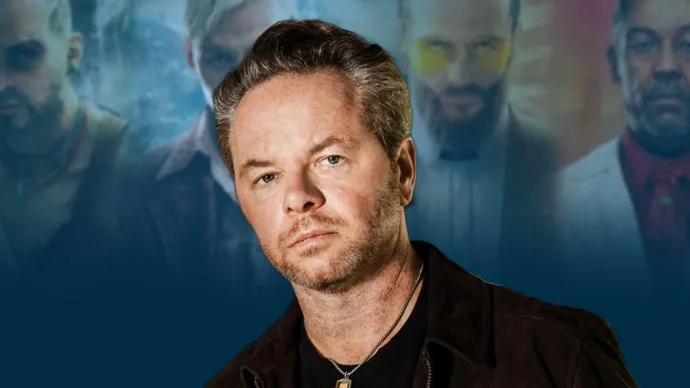
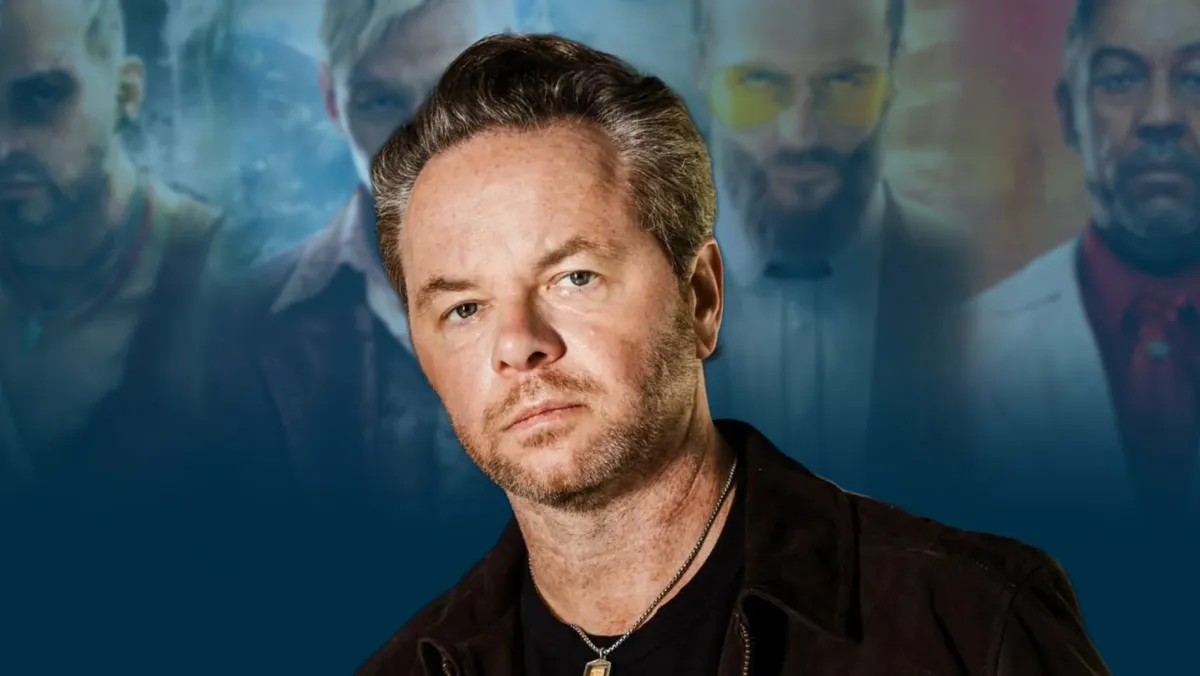
The Far Cry TV series is taking shape, and showrunner Noah Hawley has been talking about his vision for the project. According to Eurogamer, Hawley - who most recently helmed Alien: Earth - has confirmed that the show won't be a direct adaptation of any game in the franchise.
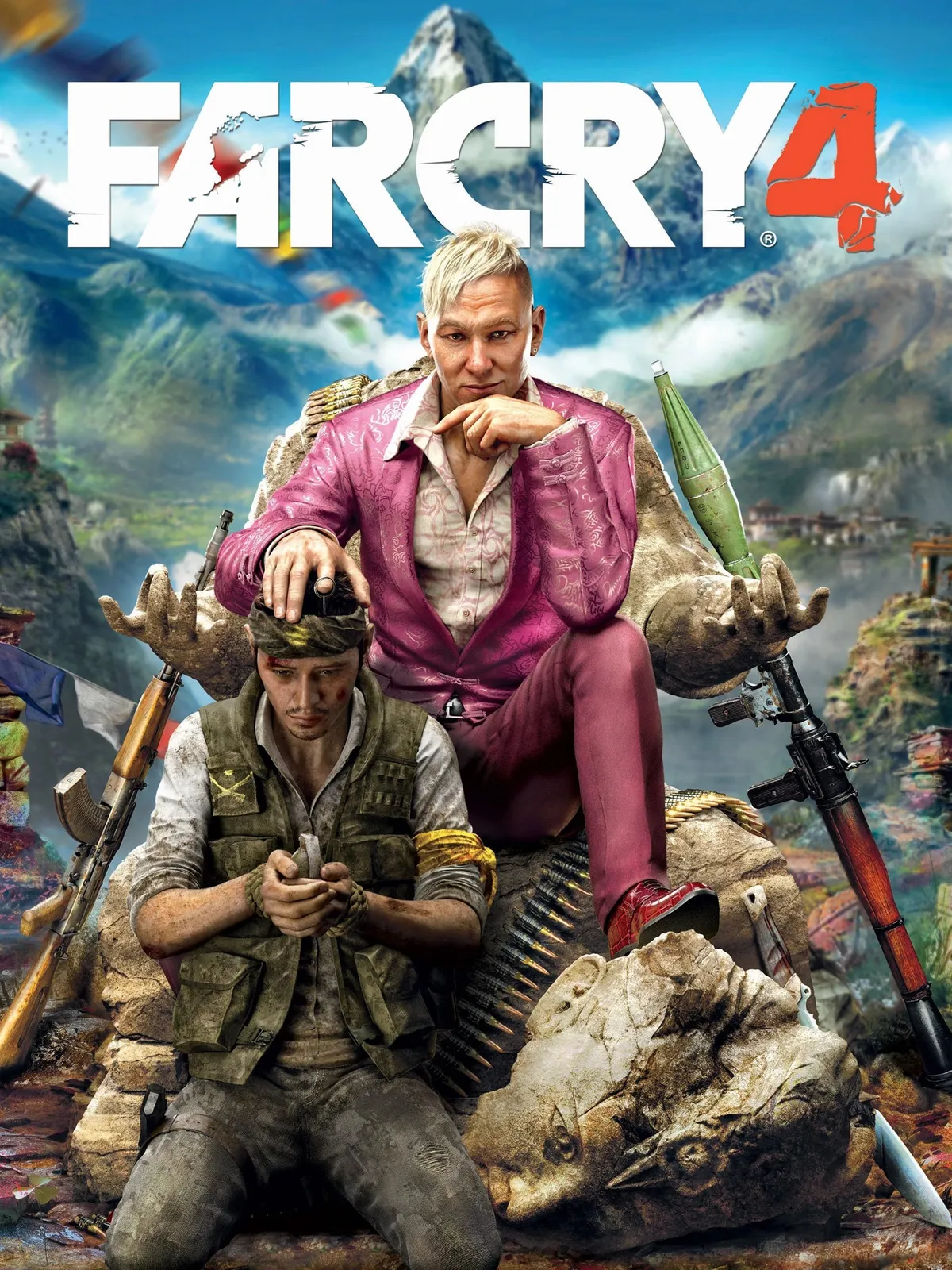
Instead, Hawley is leaning into an anthology format, which honestly makes a lot of sense given Far Cry's history. The games have never shared a connected narrative universe - each entry drops a new protagonist into a different hostile environment with a charismatic villain chewing the scenery. That structural DNA translates surprisingly well to anthology television.
Playing it smart with the source material
This approach sidesteps one of the biggest traps in video game adaptations: the pressure to faithfully recreate a specific story that players already know beat-for-beat. Rather than trying to out-Vaas anyone (an impossible task, let's be honest), Hawley appears to be capturing what makes Far Cry tick as a franchise - the isolated open worlds, the unhinged antagonists, the feeling of being thrown into chaos with limited resources.
Hawley is co-leading the project alongside Rob McElhenney, best known for It's Always Sunny in Philadelphia. That's a genuinely interesting creative pairing - Hawley brings prestige drama credibility through his work on Fargo and Alien: Earth, while McElhenney has proven he understands games and their culture through his involvement with Wrexham and his gaming-adjacent work.
What this means for the adaptation
An anthology structure also gives the production flexibility that a serialised narrative wouldn't. Different seasons could explore wildly different settings and tones, much like how Far Cry 3 and Far Cry 5 feel like completely different beasts despite sharing the same fundamental loop. It's a blueprint that worked well for Black Mirror and True Detective, both of which maintained a consistent identity while reinventing themselves season to season.
The Far Cry franchise has had a complicated relationship with mainstream recognition despite producing some genuinely iconic characters - Vaas Montenegro remains one of gaming's most memorable villains years after Far Cry 3's release. Whether a TV series can capture that same unpredictable energy without the player agency that makes those moments land is the real question. Hawley's track record suggests he at least understands how to build compelling, morally complex worlds - so there's reason to be cautiously optimistic here.