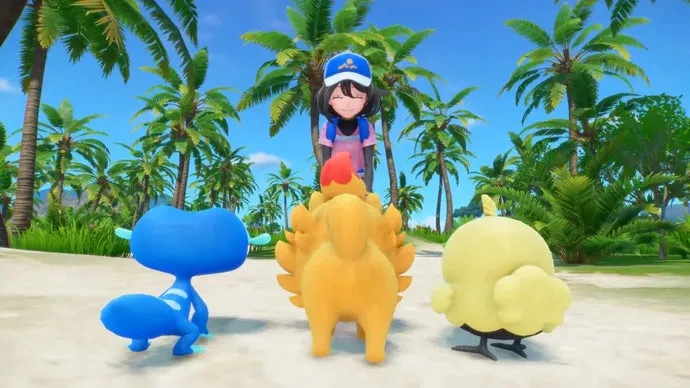
The United States Patent and Trademark Office has rejected a Nintendo patent covering the mechanic of summoning a sub-character to fight alongside a main character in battle, according to reporting from GamesIndustry.biz. The ruling is a notable win for the broader games industry, where companion and assist mechanics are deeply embedded across countless titles and genres.
The rejected patent described an in-game character calling upon a secondary character to aid it in combat - a mechanic that shows up everywhere from fighting games to RPGs to action-adventure titles. Had it been granted, such broad IP ownership could have raised serious concerns about how Nintendo might leverage it against competitors or indie developers.
Why this matters
Nintendo has been increasingly aggressive with patent filings in recent years, and the gaming community has taken notice. The company filed patents related to mechanics seen in Palworld shortly after that game's explosive launch, sparking widespread debate about whether patent law was being used as a competitive weapon rather than a tool for protecting genuine innovation.
The summon-and-fight concept is so foundational to game design that granting exclusive rights over it would have been a significant overreach. Think assist characters in Marvel vs. Capcom, summons in Final Fantasy, companion AI in action RPGs - the mechanic is practically a genre staple at this point.
Patent rejections aren't always final
It's worth noting that a USPTO rejection at this stage doesn't necessarily close the door permanently. Nintendo can respond to the office's objections, amend the patent's claims, or appeal the decision. The company has the resources and legal firepower to push back, so this may not be the last word on the matter.
Still, the rejection signals that patent examiners are taking a harder look at gaming mechanic claims that could stifle competition or cover ideas that are already widely established in the industry. That's a meaningful precedent, even if the legal fight isn't over.
For now, developers building games around summon mechanics and combat companions can breathe a small sigh of relief - though keeping an eye on how Nintendo responds will be important for anyone tracking IP disputes in the games space.