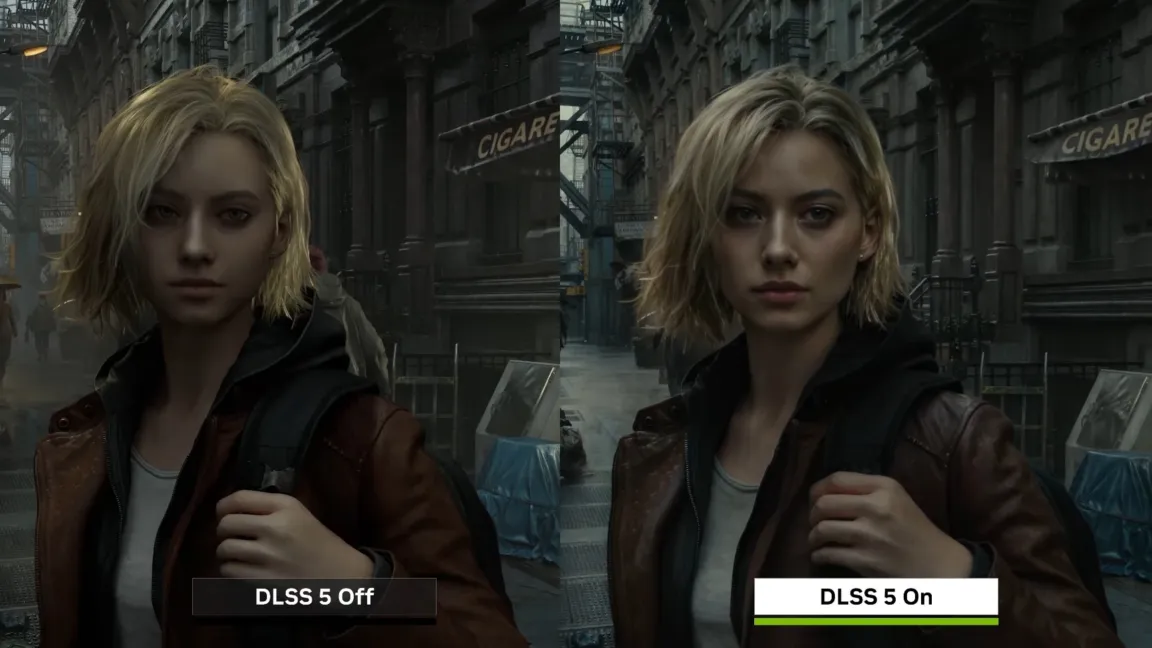
Nvidia's DLSS 5 is generating serious backlash from the gaming community, and not the good kind of buzz the company was hoping for. According to a report from Ars Technica, players are reacting with widespread disgust to the technology's generative AI enhancements, which go significantly beyond traditional upscaling.
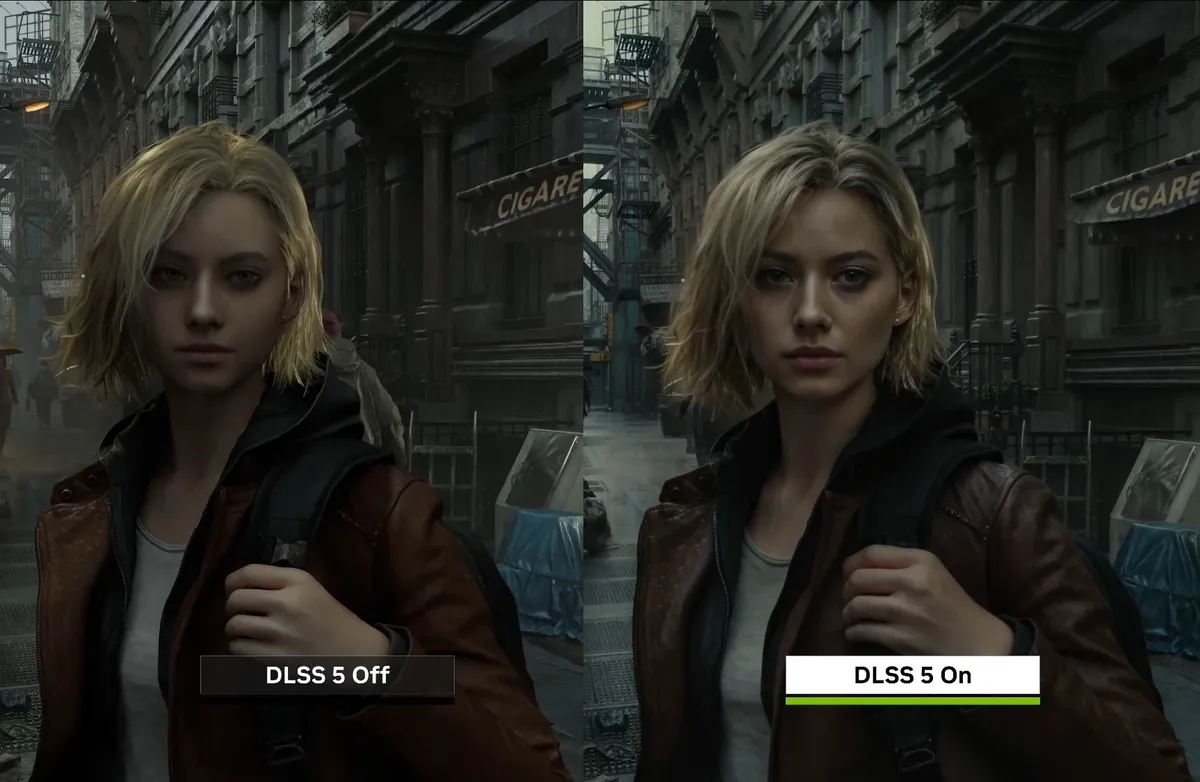
Unlike previous DLSS iterations that focused on reconstructing frames from lower-resolution input, DLSS 5 appears to be using generative AI to actively alter and embellish the visual output. That distinction matters a lot to players who want their games to look the way developers intended, not the way an AI model thinks they should look.
When upscaling becomes something else entirely
The core issue here is one of authenticity. Upscaling tech like DLSS 2 and DLSS 3 were broadly accepted because they preserved the original artistic vision of a game while improving performance. What Nvidia is doing with DLSS 5 reportedly pushes into territory where the AI is making creative decisions - smoothing faces, altering textures, and generating detail that simply wasn't in the source material.

For a lot of players, that's a dealbreaker. Games are authored works, and having an AI layer essentially redraw parts of them without developer input feels like a violation of that authorship. The community response, as covered by Ars Technica, has been described as overwhelming disgust - not mild skepticism, but a strong rejection of the direction this technology is heading.

A trust problem for Nvidia
This situation puts Nvidia in a tough spot. DLSS has been one of the company's strongest competitive advantages over AMD's FSR and Intel's XeSS, and any erosion of community trust in the technology is a real business problem. If players start opting out of DLSS 5 or disabling it by default, that undercuts the value proposition of RTX hardware at a time when GPU prices are already a sore subject.
There's also a broader conversation happening here about where generative AI fits in gaming. AI-assisted upscaling that improves performance without changing the game? Most players are on board with that. AI that starts hallucinating details and altering characters' appearances? That's where the line gets drawn hard.
Nvidia hasn't yet made a major public statement addressing the backlash directly, and it remains to be seen whether the company will offer toggles, roll back some of the more aggressive generative features, or hold firm on the current implementation. Either way, the reaction is a clear signal that the gaming audience has limits on how much AI intervention they'll accept in their visual experience.