Nvidia CEO Jensen Huang has pushed back against growing skepticism around DLSS 5, directly addressing concerns that the technology's multi-frame generation approach produces what critics are calling 'AI slop.' The comments, reported by Ars Technica, come as the gaming community continues to debate how much AI-generated content is acceptable in modern rendering pipelines.
Huang's defense centers on the idea that DLSS 5 is a sophisticated, purpose-built tool rather than a lazy shortcut. The technology uses neural rendering to generate additional frames beyond what traditional rasterization or even DLSS 4 could produce, which is exactly what's drawing scrutiny from developers and players who worry about image quality and input accuracy taking a hit.
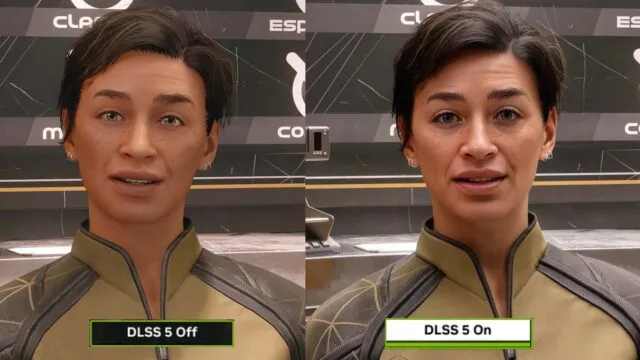
When pressed on developer hesitancy, Huang was notably direct about where the power ultimately sits. According to the Ars Technica report, his response to studios who have reservations was essentially: 'they could decide not to use it, you know?' It's a pragmatic answer that doubles as a reminder that DLSS adoption has always been opt-in.
Why this debate matters
The 'AI slop' framing is more than just a meme - it reflects a real tension in the industry right now. As frame generation technology becomes more aggressive with each iteration, the line between frames your GPU actually rendered and frames an AI interpolated or synthesized gets blurrier. For competitive players especially, that distinction matters for latency and responsiveness.

DLSS 5's multi-frame generation goes further than DLSS 4 by generating multiple synthetic frames per real rendered frame, which can inflate frame rate numbers dramatically on paper. The question is whether those numbers translate to a genuinely better experience, or whether they just make spec sheets look impressive while introducing artifacts and lag that undercut the benefit.
Nvidia has consistently argued that its Reflex technology mitigates the latency concerns, and that visual quality has improved substantially with each generation of the neural rendering models. Huang's comments suggest the company isn't backing down from the direction it's heading.

The developer and player divide
Studios have varying tolerances for how much of their game's visual output they're comfortable handing off to an AI model. Some have embraced DLSS enthusiastically as a performance lifeline; others remain cautious about quality control implications. Huang's comment about developer choice is accurate, but it sidesteps the reality that as Nvidia's hardware becomes the dominant platform, the pressure to support and promote its flagship features only grows.
For players, the verdict will come down to whether DLSS 5 titles actually look and feel better in practice. No amount of CEO keynote framing changes what shows up on your screen.