A former Naughty Dog developer has spoken out about the studio's deeply ingrained crunch culture, claiming the team genuinely believed brutal overtime was an unavoidable cost of making games at the quality level the studio was known for. The comments, reported by Kotaku, paint a picture of a workplace where overwork wasn't just tolerated but viewed as a core part of the creative process.
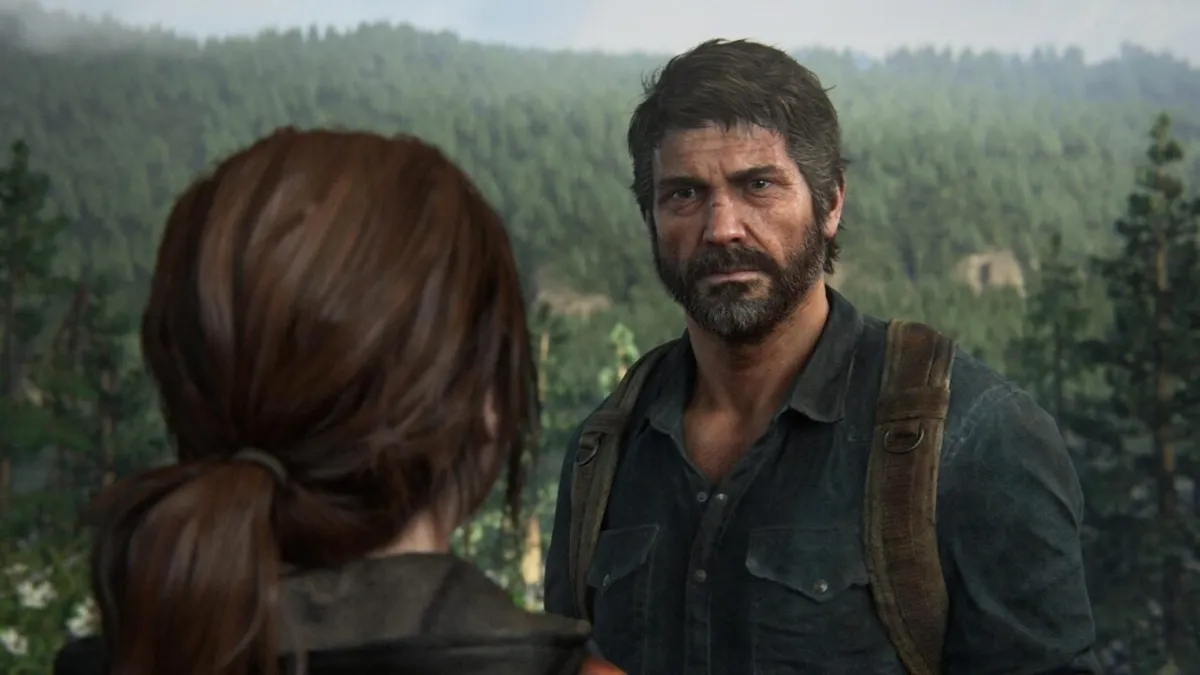
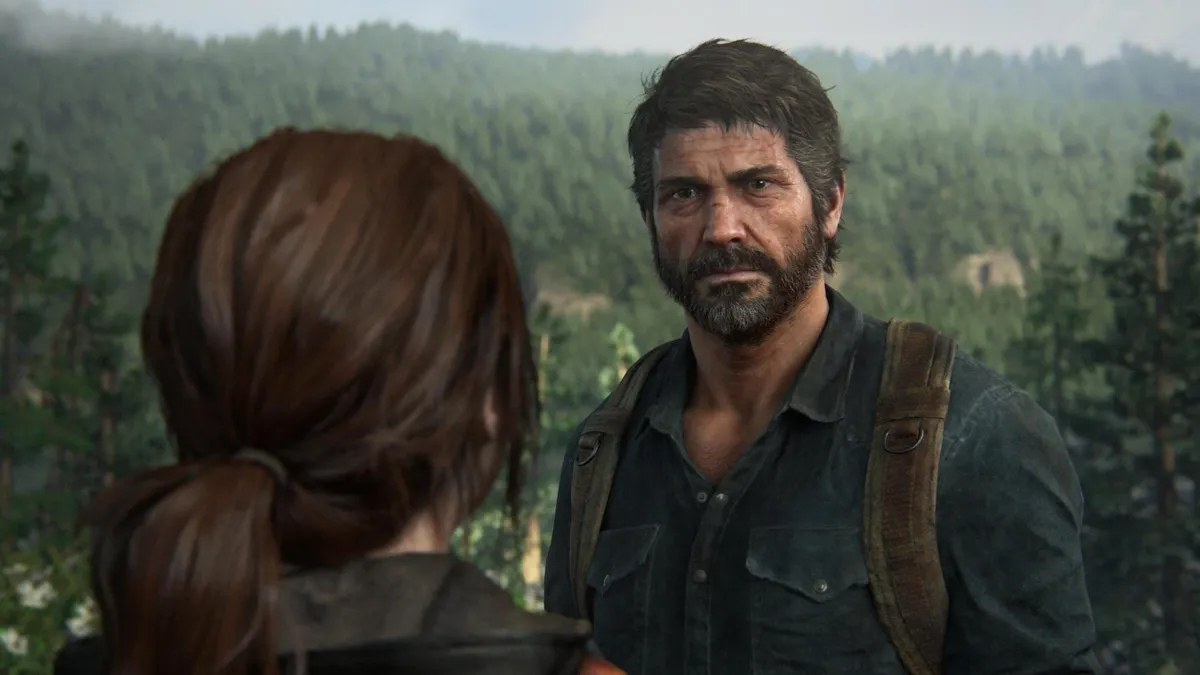
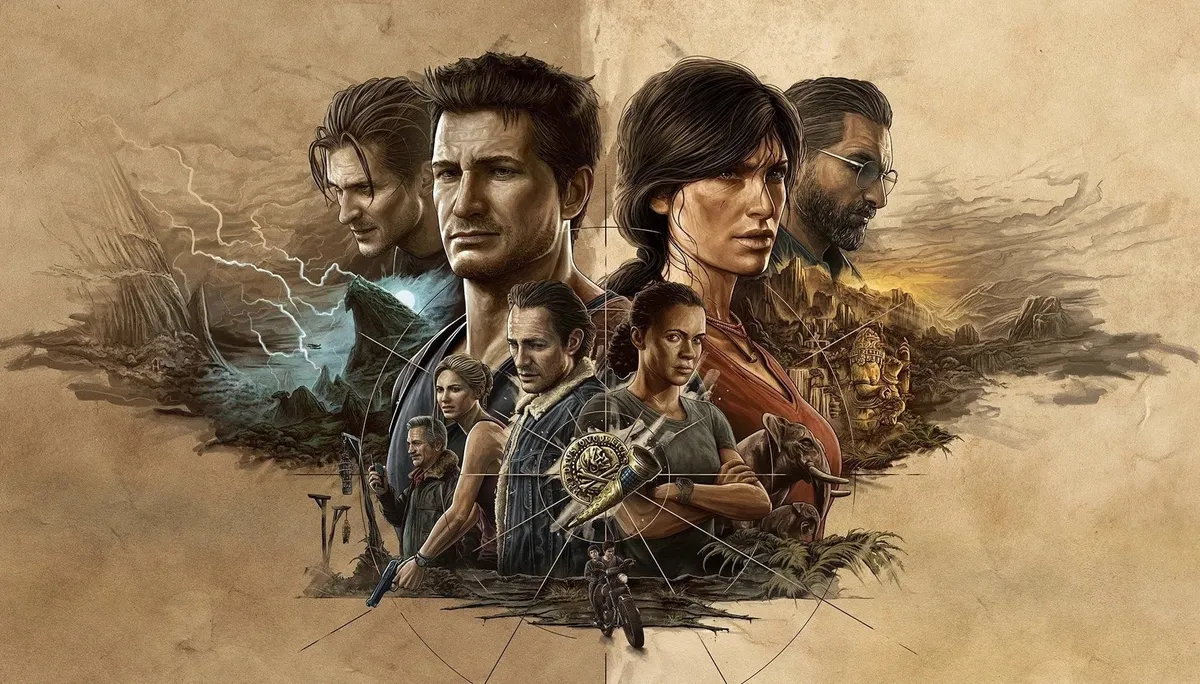
According to the Kotaku report, the ex-dev described a studio culture where crunch wasn't imposed reluctantly but was seen as intrinsically tied to the prestige of projects like The Last of Us and Uncharted. The underlying belief, as characterized in the piece, was essentially that you can't make something that good without paying that kind of personal toll - a philosophy that has drawn significant criticism from labor advocates and developers across the industry.
History repeating
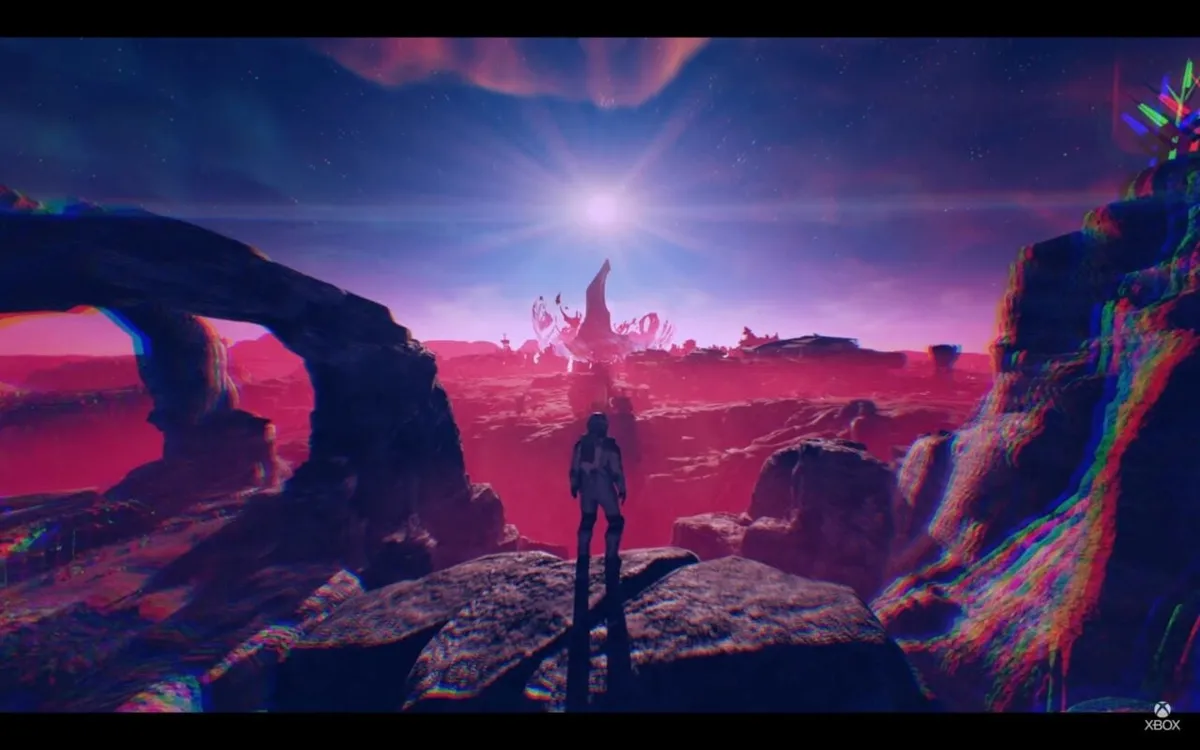
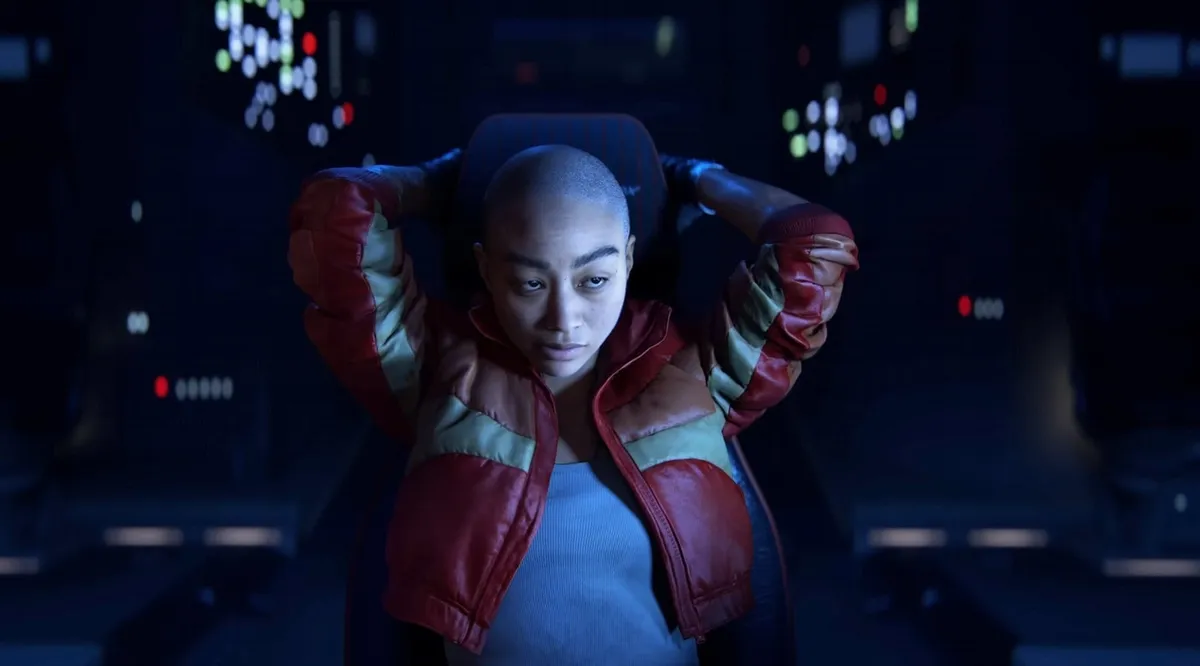
What makes the timing of this interview particularly pointed is that Naughty Dog is reportedly back in heavy crunch territory right now, this time for its upcoming sci-fi action game Intergalactic: The Heretic Prophet. The studio's next big swing, announced at The Game Awards 2024, appears to be following a familiar and controversial production pattern.
Crunch has been a hot-button issue in games development for years, with studios like CD Projekt Red and Rockstar facing serious scrutiny over working conditions during high-profile releases. The difference at Naughty Dog, if the former dev's account holds up, is that the culture was less about deadline panic and more about a deeply held belief system - which arguably makes it harder to dismantle.
A culture problem, not just a scheduling one
That framing matters. Crunch driven by poor project management can theoretically be fixed with better planning and stronger labor protections. Crunch that's been philosophically justified as the price of excellence is a much tougher cultural knot to untangle, especially at a studio with a trophy case as full as Naughty Dog's.
With Intergalactic still in active development and apparently following the same playbook, it's worth watching how Sony - which owns Naughty Dog - responds to renewed scrutiny. The broader industry has made at least rhetorical strides on the crunch conversation in recent years, but the reality on the ground at many top-tier studios clearly hasn't caught up with the messaging.