Warhorse Studios, the developer behind Kingdom Come: Deliverance 2, is under scrutiny after a translator who previously worked with the company claims he was fired and replaced with AI, according to a report from GamesIndustry.biz.
The translator alleges that Warhorse told him his role was now "obsolete" - a term that's drawn sharp reactions from localization professionals and industry observers. The claim raises serious questions about how studios are approaching AI-assisted workflows, particularly in areas like translation that have traditionally relied on nuanced human expertise.
Why this matters for localization
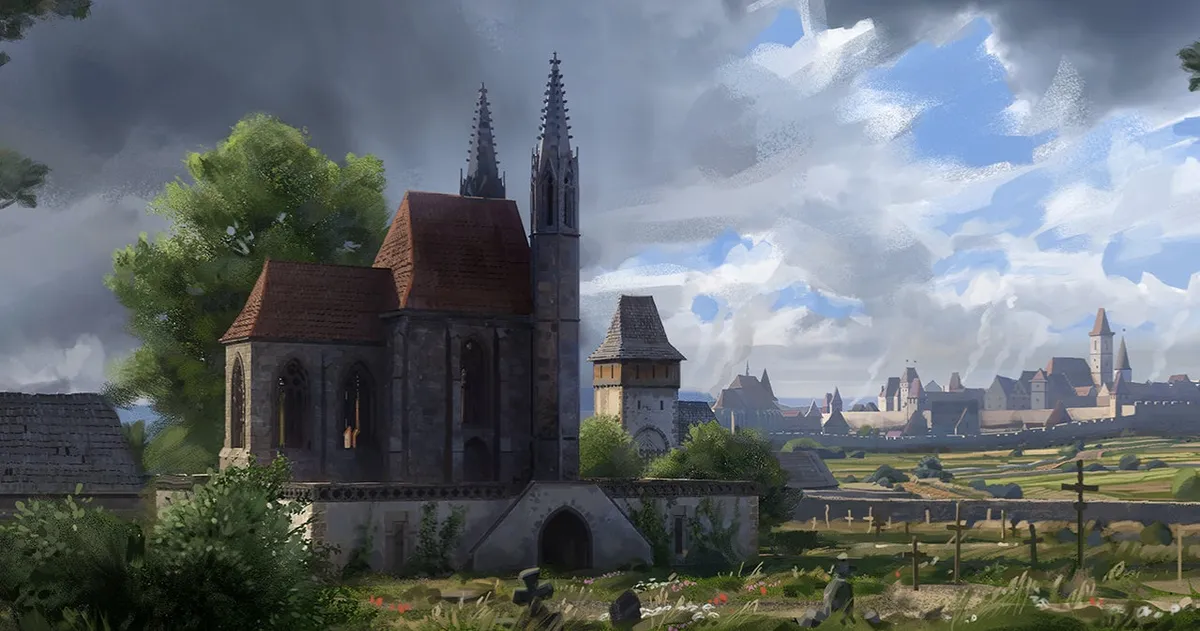
Game localization isn't just swapping words between languages. It involves cultural context, tone, humor, and keeping dialogue consistent with a character's voice across potentially hundreds of thousands of words. Kingdom Come: Deliverance 2 is a dialogue-heavy RPG set in medieval Bohemia, making accurate and culturally sensitive translation a significant part of the product's quality.
The gaming industry has seen growing unease around AI replacing creative roles, and localization has been one of the most vulnerable sectors. Translators, voice actors, and writers have all flagged concerns about studios quietly cutting human talent in favor of cheaper automated solutions.
Warhorse has not publicly responded
As of the time of writing, Warhorse Studios has not issued a public statement addressing the translator's claims. GamesIndustry.biz broke the story, but details about the scope of the alleged AI transition - whether it affects one language, multiple regions, or ongoing projects - remain unclear.
It's worth noting these are allegations from one individual, and the full picture from Warhorse's side is unknown. That said, the framing of calling a skilled professional "obsolete" suggests a deliberate internal policy shift rather than a routine staffing change.
The bigger picture
This isn't happening in a vacuum. Across the games industry, AI adoption in production pipelines is accelerating, and the debate over where to draw the line is very much live. For studios, the cost savings are obvious. For skilled workers who've built careers in specialized fields like localization, the uncertainty is real and growing.
If Warhorse Studios does confirm an AI-first approach to translation going forward, it'll be one of the higher-profile examples of a major studio making that call explicitly - and the backlash could be significant, especially from a playerbase that tends to care deeply about craft and authenticity in game development.