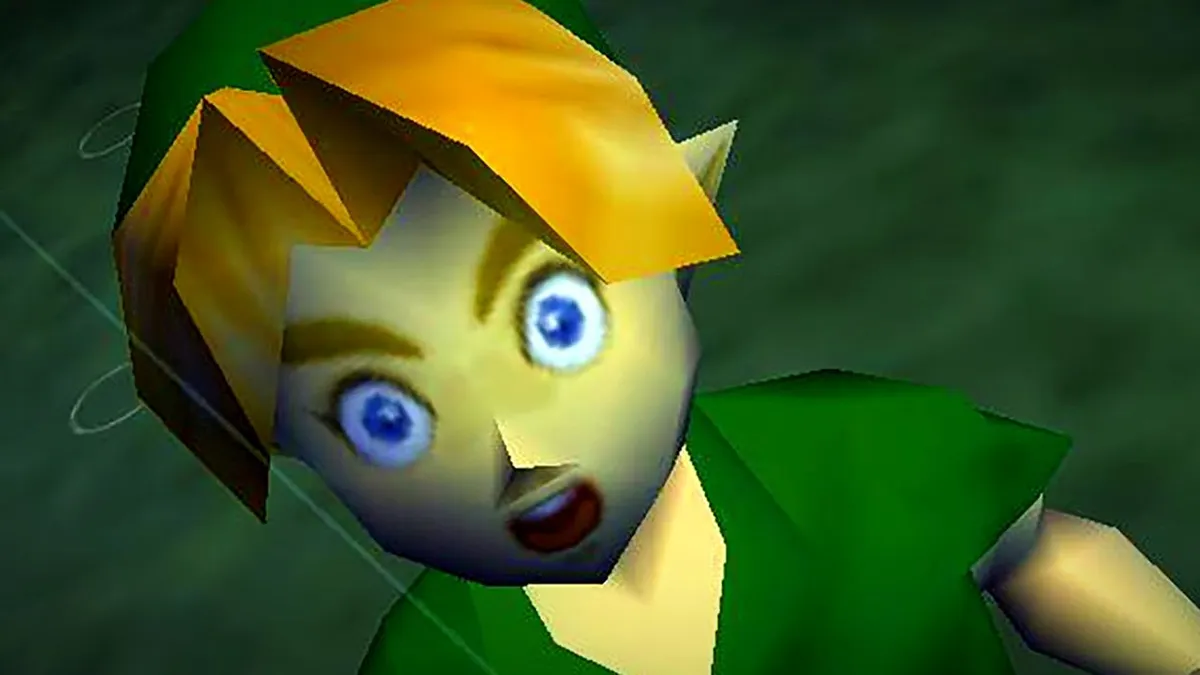
For years, Zelda fans built elaborate timeline theories, debated split branches, and lost sleep over where games like Majora's Mask fit into the larger lore. Turns out Nintendo had a lot of it figured out internally as far back as 2003 - they just didn't think it mattered that much.
According to reporting from GamesRadar, Shigeru Miyamoto revealed that Nintendo maintained an "enormous document" laying out the Zelda chronology long before the official timeline was published in the 2011 Hyrule Historia book. That's nearly a decade of internal canon that fans were left to puzzle out on their own.
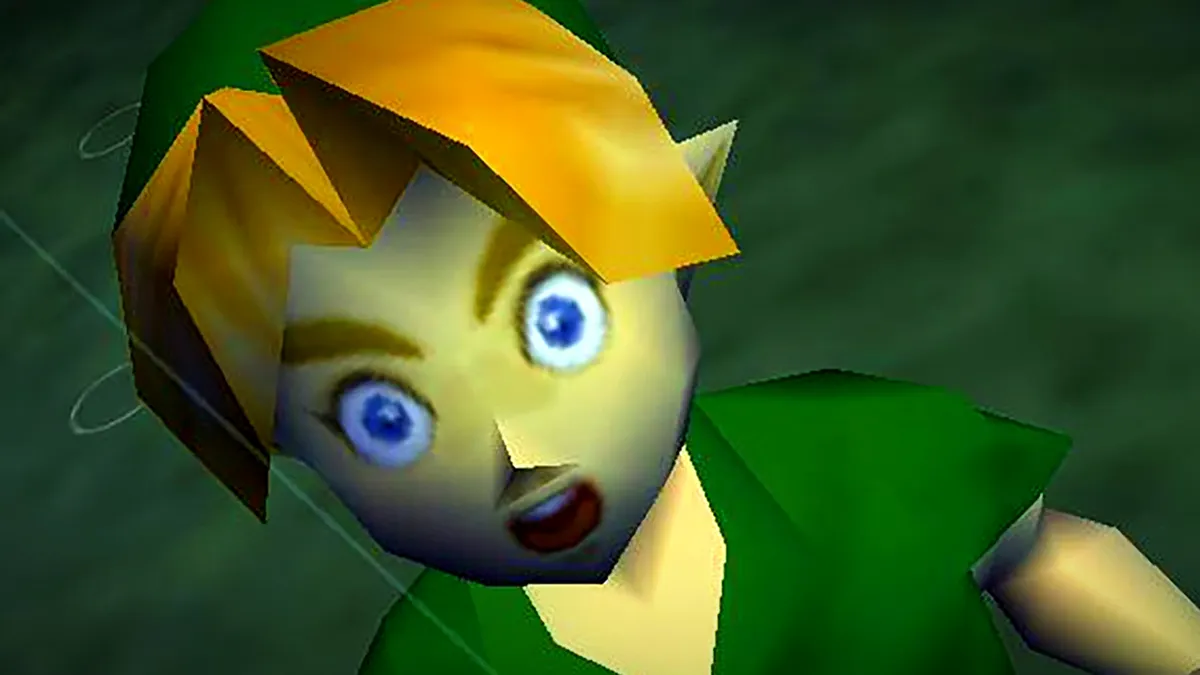
The twist? Miyamoto says the timeline was never really the point. "We care more about developing the game system," he explained, making clear that gameplay innovation has always been the studio's north star rather than narrative continuity.
Lore as a side effect, not a design goal
This revelation reframes how we think about Nintendo's approach to the series. The timeline existed, but it was more of a creative guardrail than a storytelling bible. Each Zelda title was built around a fresh mechanical concept first - the timeline helped keep things coherent in the background without constraining the design process up front.
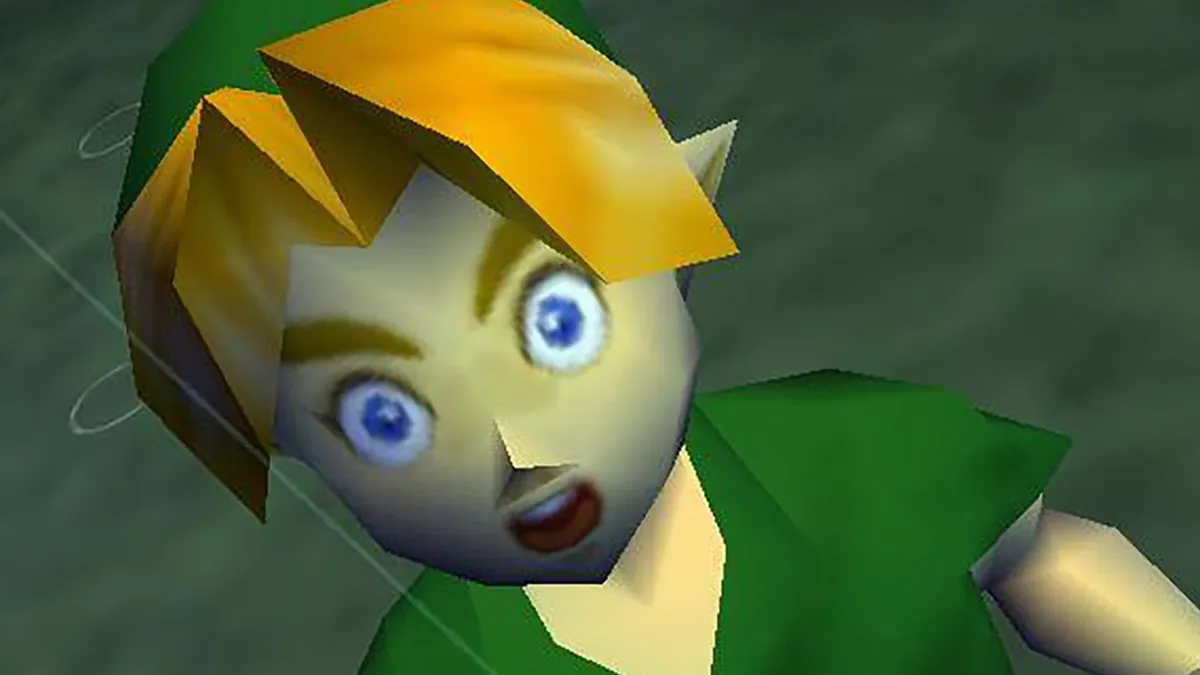
It also explains some of the more awkward placements in the official timeline, particularly the so-called "Downfall" branch that only exists because the hero loses in Ocarina of Time. That kind of narrative flexibility suggests the document was always meant to accommodate new games rather than rigidly define them.
Why this still matters to players
For the fanbase, the Zelda timeline has been a massive cultural touchstone - a puzzle box that spawned countless YouTube deep-dives, Reddit threads, and fan wikis. Knowing that Nintendo had a version of it documented since 2003 is genuinely interesting, even if the company's internal attitude toward it was relatively casual.
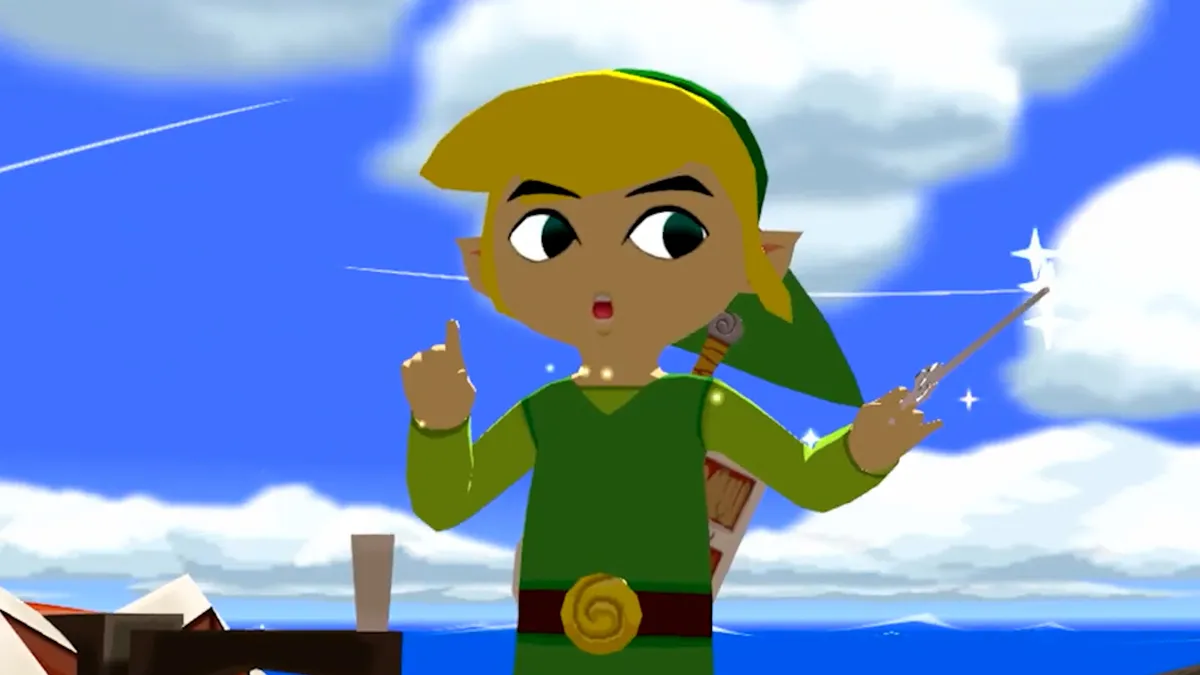
Breath of the Wild and Tears of the Kingdom have further complicated the timeline picture, with Nintendo being notably vague about where those games sit. Given Miyamoto's comments, that ambiguity is probably by design - or more accurately, a consequence of design always coming first.
It's a fascinating peek behind the curtain at how one of gaming's most analyzed franchises actually gets built: mechanics and systems lead, and the lore follows wherever they go.