
Nintendo's Switch 2 has delivered some seriously mixed signals over the past few weeks, leaving analysts and fans alike trying to square a circle of contradictory data. According to a GamesIndustry.biz opinion piece, the console swung from disappointing holiday sales reports to chart-topping dominance in the space of just a few days.
The rough patch came first. Reports surfaced suggesting Switch 2's holiday performance had undershot expectations, with rumblings that Nintendo could respond by pulling back on manufacturing and potentially revising its sales targets downward. For a console that launched with considerable momentum, that's the kind of news that raises eyebrows across the industry.

Pokémon to the rescue
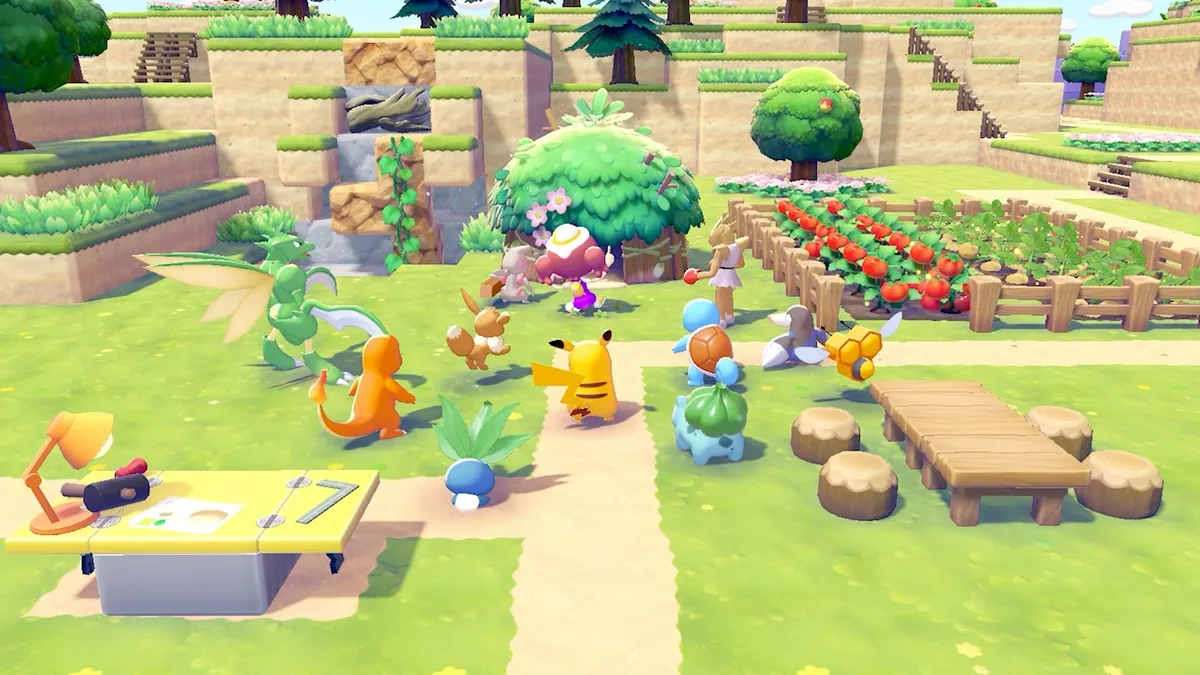
Then Pokémon Pokopia dropped, and the narrative flipped almost instantly. The game turned out to be a genuine smash hit, pushing Switch 2 back to the top of hardware sales charts and complicating the doom-and-gloom read that had briefly taken hold. It's a dramatic illustration of just how much a single first-party title can move the needle for Nintendo.

The situation raises a genuinely interesting question about how we evaluate console health in real time. Short-term dips between major releases are pretty standard in this industry, but the speed of the reversal here suggests that Switch 2's install base is hungry for content and willing to spend when the right game arrives. That's not a bad position to be in.
The Schrödinger problem
GamesIndustry.biz frames this as a kind of Schrödinger's Switch 2 scenario - the console is simultaneously underperforming and overperforming depending on which two-week window you're looking at. It's a useful reminder that quarterly snapshots can be genuinely misleading when a platform's fortunes are so tightly tied to its release calendar.
Nintendo has always operated this way to some degree. The original Switch had plenty of lull periods before a Monster Hunter or a Zelda arrived to reignite sales. The question for Switch 2 is whether it can build a broader, more consistent third-party library that smooths out those valleys rather than relying on periodic first-party explosions to stay relevant.
For now, the console is back on top. But the volatility itself is worth watching as Nintendo heads into the rest of its release schedule.