
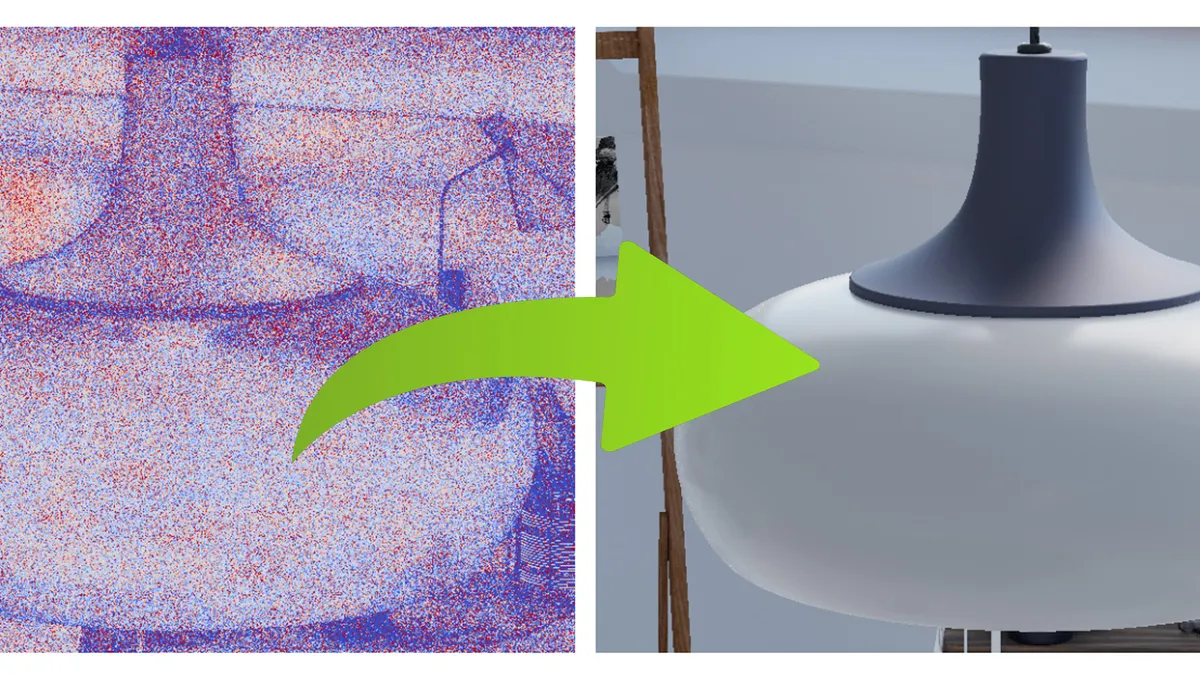
Put down your DLSS conspiracy theories, folks - Nvidia just dropped some genuinely spicy graphics research that delivers a 2-3x performance boost in path tracing, and it doesn't have a single neural network in sight. According to PCGamesN, the research targets path tracing specifically, the next-level lighting tech that makes ray tracing look like a warm-up act.
For the uninitiated, path tracing is basically ray tracing on a whole pot of coffee - it simulates light bouncing around a scene with terrifying accuracy, making games look almost photorealistic. The downside? It has historically required the kind of GPU horsepower that would make your electricity bill file for emotional support.

So what's the secret sauce?
Nvidia's research builds on a technique called ReSTIR (Reservoir-based Spatio-Temporal Importance Resampling, because apparently naming things clearly was not on the agenda). The idea is to be smarter about which light samples actually matter in a scene, rather than just brute-forcing calculations like a speedrunner mashing buttons. Think of it as turning your GPU from a chaotic goblin into a calculating chess grandmaster.
The 2-3x performance gain is a massive deal for the future of real-time graphics. Ray tracing itself was considered a pipe dream for real-time rendering not too long ago, and now Nvidia is already pushing past it toward path tracing becoming a practical option for actual games people play on actual hardware.

What does this mean for your rig?
Before you start stress-testing your wallet for an RTX 5090 preorder, pump the brakes - this is still research, not a driver update you'll be downloading this Tuesday. But the trajectory is clear: Nvidia is actively working to make path tracing a mainstream feature rather than a tech demo party trick reserved for benchmarking videos on YouTube.
With ray tracing finally getting comfortable in the PC gaming space, this research signals that the green team has its crosshairs firmly locked on the next graphical frontier. Whether this tech makes it into consumer hardware and actual game implementations soon remains to be seen, but the fact that they're scoring these gains without leaning on AI upscaling or frame generation tricks makes it all the more impressive. Sometimes you just need good, old-fashioned clever math to level up.