
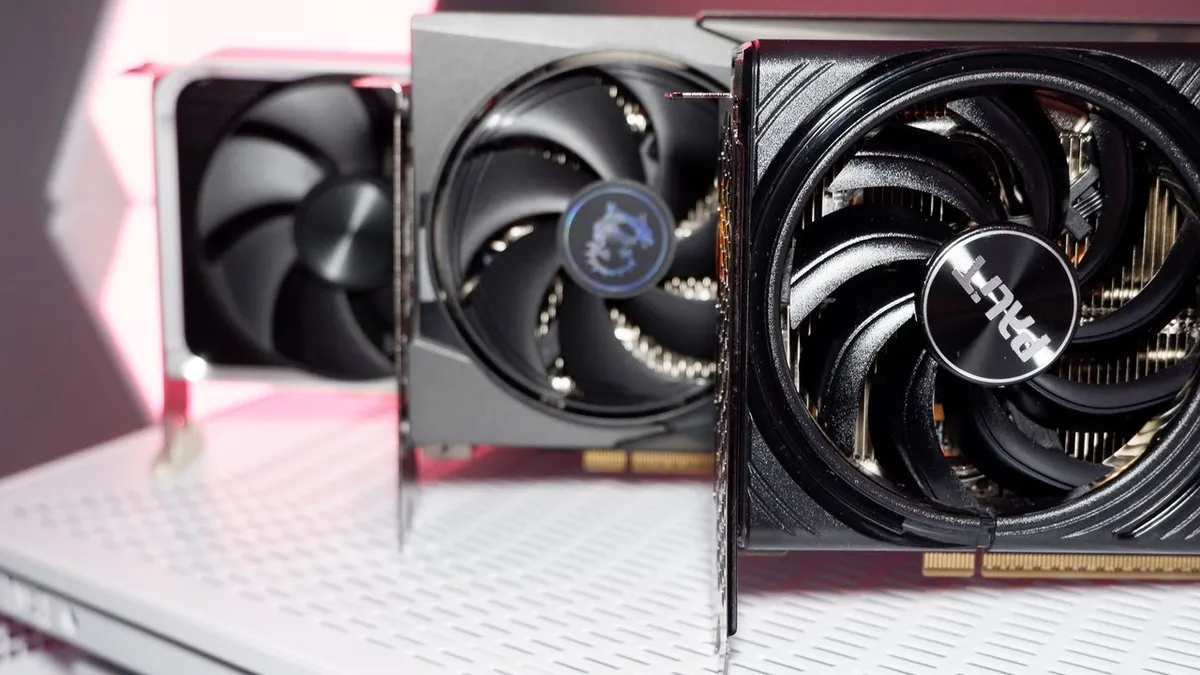
Nvidia is sitting on a massive warranty problem. According to a report covered by PC Gamer, the GPU giant spent 1003% more on warranty claims in 2025 compared to the previous year, with total costs approaching $900 million.
The numbers don't stop there. The actual claim rate - meaning how frequently customers filed warranty requests relative to products sold - jumped 800% compared to 2024. That's not just a spending anomaly from higher sales volume; it suggests a genuine spike in hardware failures across Nvidia's product lineup.
What's driving the surge?
While the report doesn't pin the explosion on a single cause, the timing lines up with widespread coverage of issues affecting RTX 50-series and certain RTX 40-series cards. The 12VHPWR connector problems that plagued high-end Ada Lovelace cards earlier in their lifecycle generated significant backlash, and concerns around the Blackwell generation have continued to make headlines throughout 2025.

A 10x increase in warranty spending isn't something any company absorbs quietly. For context, warranty cost jumps of this magnitude typically signal either a systemic manufacturing defect, a design flaw affecting a large portion of shipped units, or both. Given that Nvidia dominates the discrete GPU market with well over 80% share, even a small percentage of defective cards translates into enormous absolute numbers.

What this means for consumers and the industry
For gamers and PC builders, this data reinforces the frustration many have already felt firsthand. Anecdotal reports of melted connectors, dead cards, and inconsistent RMA experiences have floated around forums and subreddits for months. Seeing hard financial data validate that something went wrong at scale gives those complaints serious weight.
From an industry perspective, this is a reputational and financial hit that arrives at an awkward moment. Nvidia is navigating intense scrutiny over its pricing strategy with the RTX 50 series, and a near-$900 million warranty bill compounds pressure on the company to demonstrate that its premium pricing reflects premium quality - something these figures clearly put in doubt.
Whether Nvidia publicly addresses the root cause or quietly improves manufacturing processes in upcoming GPU revisions remains to be seen. But numbers this stark are hard to spin, and the gaming community will be watching closely as more details emerge.