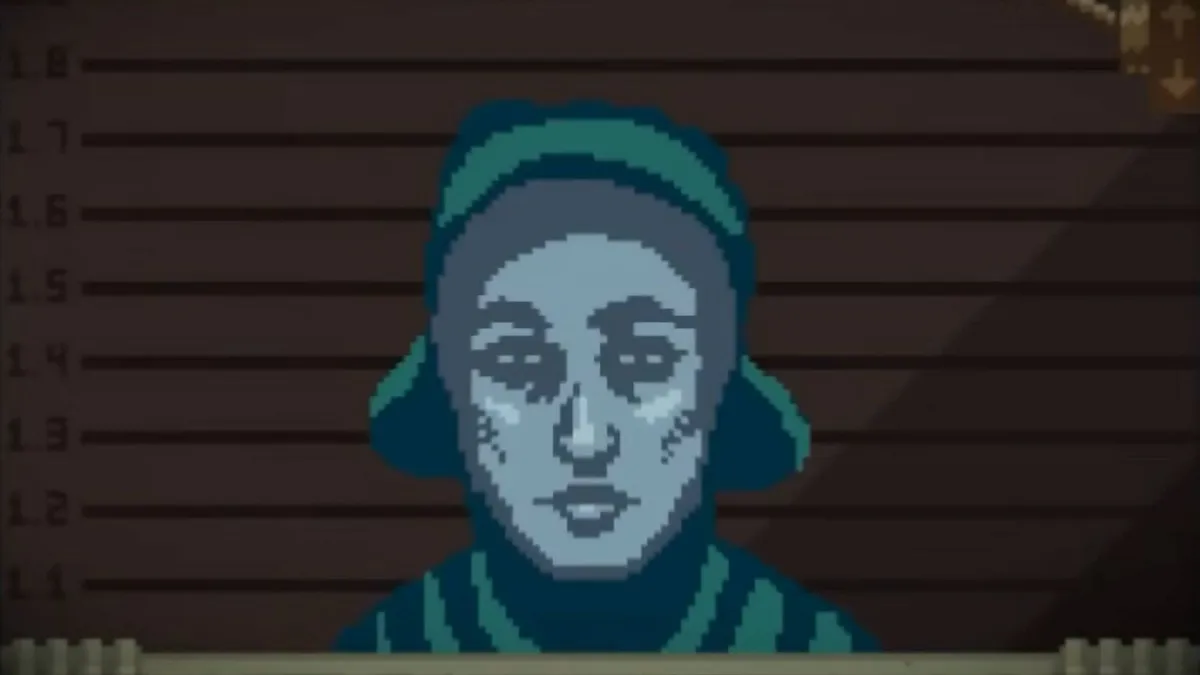
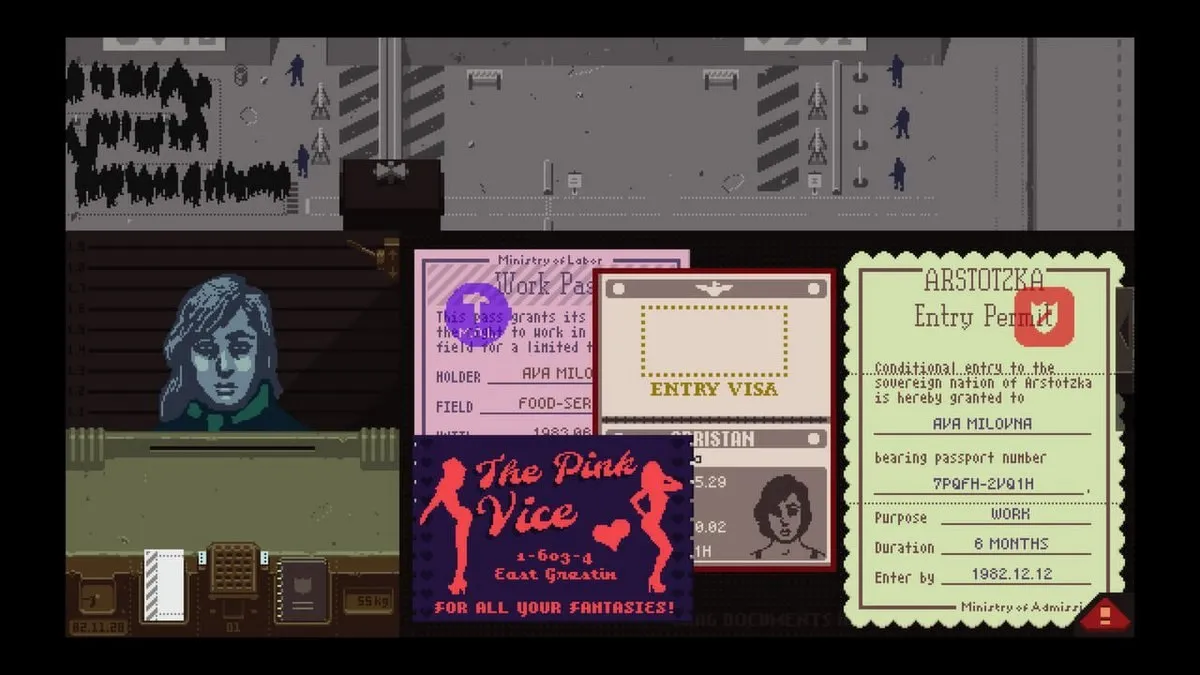
Lucas Pope, the solo developer behind cult classics Papers, Please and Return of the Obra Dinn, has spoken out about a growing anxiety among creators: announcing new projects in the current AI landscape feels genuinely risky. According to TechRaptor, Pope expressed concern that AI systems tend to "slurp up" ideas the moment they're made public, complicating the traditional way developers build hype and community around upcoming work.
For indie developers especially, early announcements have always been a double-edged sword - you need visibility and wishlist momentum, but you also risk exposing concepts before they're fully protected or realized. Pope's comments suggest AI has sharpened that second edge considerably. The fear isn't just about plagiarism in the traditional sense; it's about ideas being ingested, remixed, and potentially regurgitated by generative systems before the original creator even ships their game.
A wider problem for indie creators
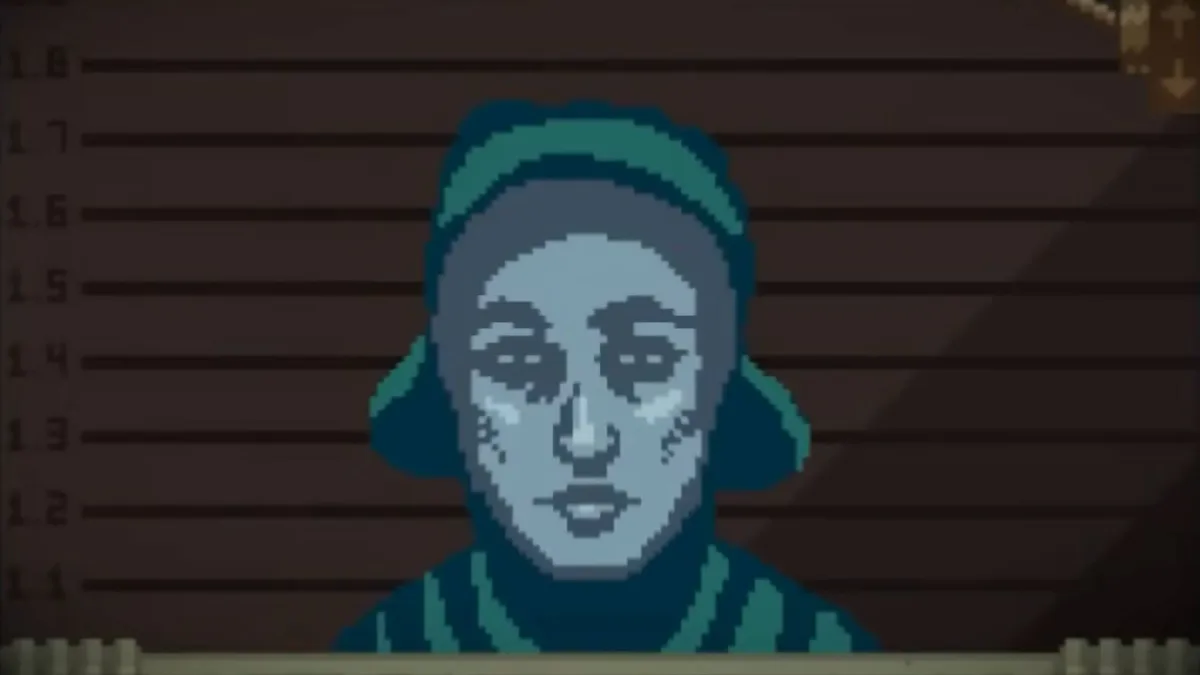
Pope occupies a unique space in the industry. His games are slow, meticulous, deeply personal projects - Obra Dinn took roughly six years to develop. That kind of long development cycle means ideas sit in the open for extended periods, which makes the prospect of AI-assisted idea harvesting feel especially acute for a creator like him.
His concern also taps into a broader conversation the industry is having right now. Larger studios have legal teams and IP protections; solo and small-team developers largely don't. When an indie creator floats a concept publicly to gauge interest, they're operating on goodwill and community trust - two things AI systems don't particularly care about.
No new project announced, but the sentiment matters
Pope hasn't revealed what he's working on next, and his comments weren't attached to any specific announcement. But the fact that a developer of his stature feels hesitant to openly discuss new work is a meaningful signal. If thoughtful, celebrated creators are second-guessing the basic act of sharing their process, that's a quiet but real cost to the culture of openness that has defined indie development for over a decade.
It's worth watching whether this kind of caution becomes more normalized across the indie scene, or whether platform and legal structures evolve to give smaller creators better tools to protect their concepts earlier in development. For now, Pope's wariness feels less like paranoia and more like a reasonable response to a landscape that's changing faster than the protections around it.