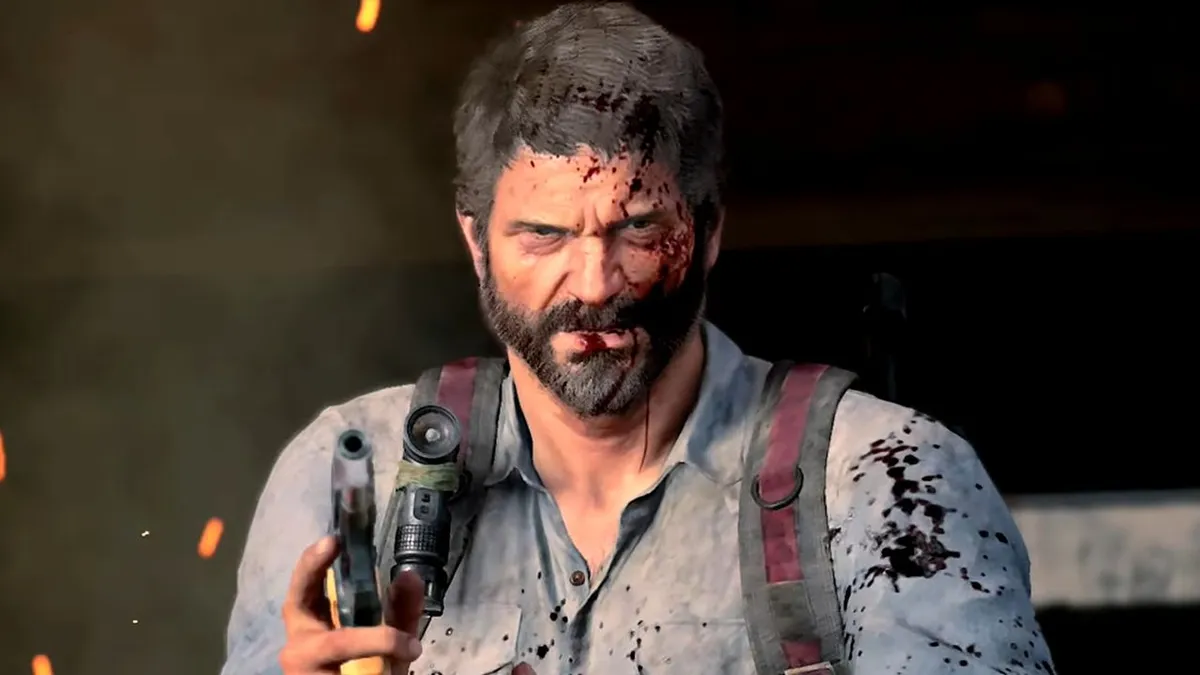
When The Last of Us Part I launched in 2022, most of the conversation centered on whether a full-price remake of a nine-year-old game was justified. For at least one original developer, the discourse cut a lot deeper than price tags.
An original designer on The Last of Us has gone on record saying he remains genuinely angry about Naughty Dog replacing his scripting work for the remake, according to GamesRadar. His frustration isn't abstract - he describes the process in bluntly specific terms: developers took his scripts, deleted them, and wrote entirely new ones in their place.
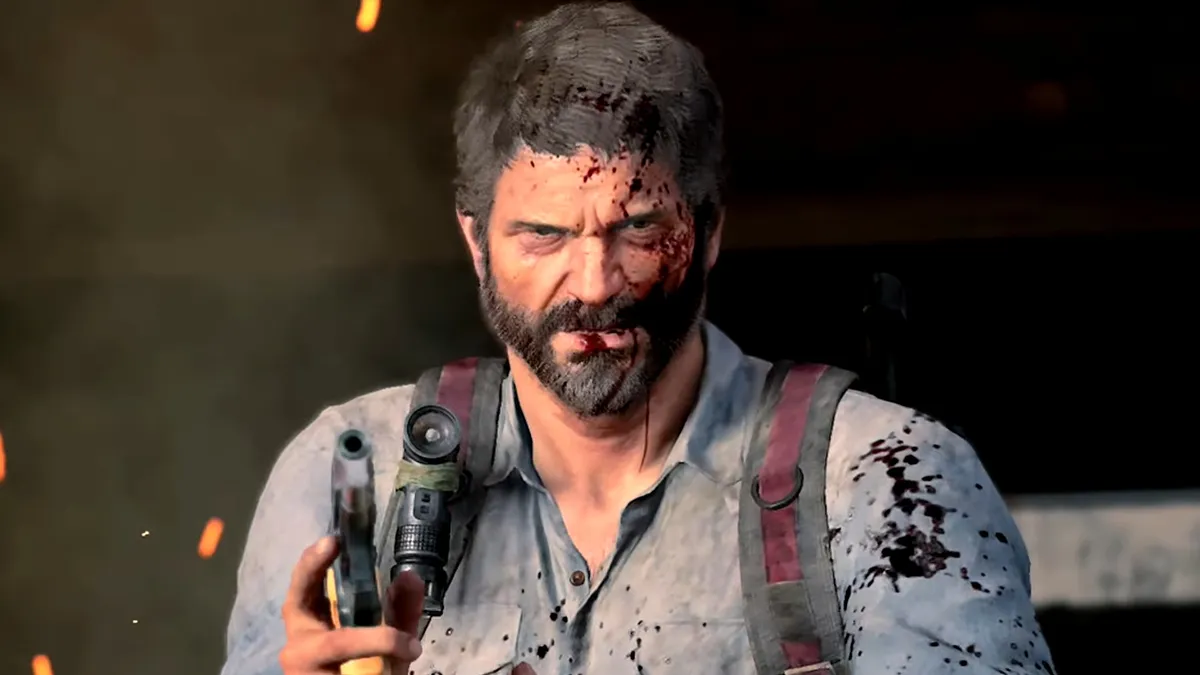
"It is literally taking my scripts, pushing delete, and putting all new scripts in. That really f***ing pissed me off, and it still does."
More than just a remaster
This is an important distinction that often gets lost in the remaster-vs-remake debate. A remaster typically preserves original game logic and systems while upgrading visuals. A ground-up remake, as Naughty Dog built with Part I, means rebuilding underlying systems from scratch - which, in this case, meant discarding years of original design work.
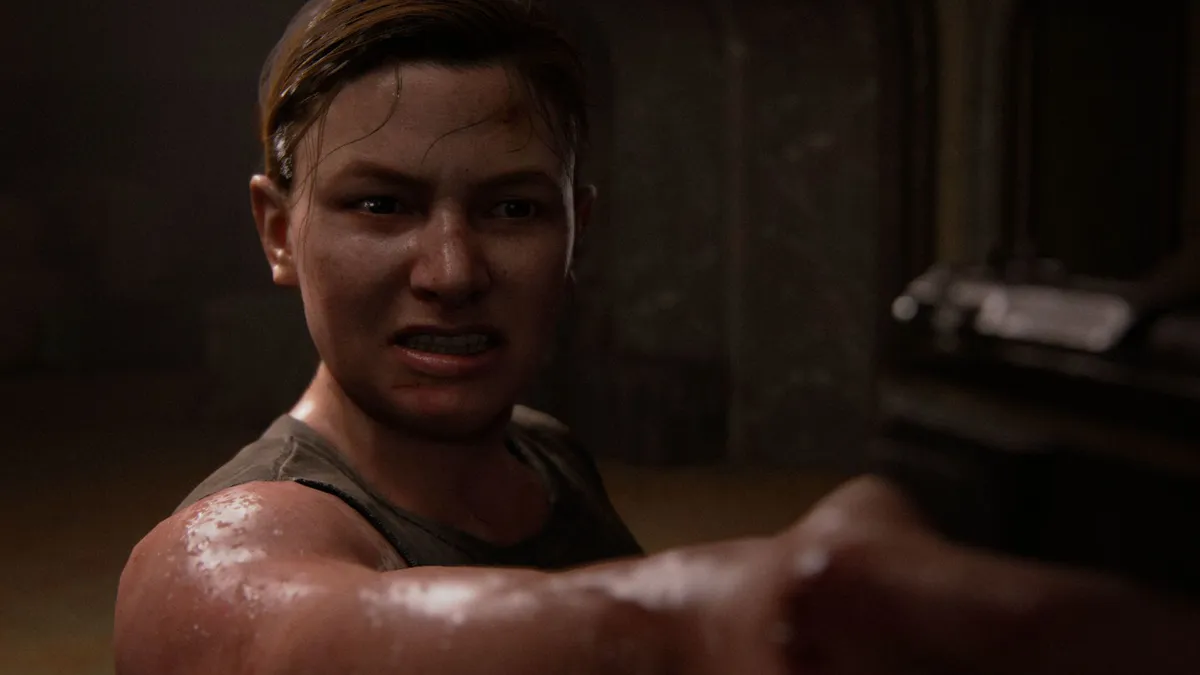
For players, the end result might look and feel faithful to the 2013 classic. For the people who wrote those original scripts, it's a different experience entirely - watching your specific contributions get erased in favor of newer implementations, even if the surface-level outcome is similar.
A conversation the industry needs to have
The game industry doesn't talk enough about what remakes mean for the people who built the originals. Most remake announcements are framed purely as celebrations - a beloved game getting the treatment it deserves. Rarely does anyone ask how surviving original team members feel about their specific work being rebuilt from the ground up.
Naughty Dog hasn't publicly responded to these comments, and the designer hasn't been named in current reporting. But the sentiment raises a real question about creative ownership and recognition in an industry where games get revisited, rebuilt, and re-released with increasing frequency.
The Last of Us Part I was a commercial success and generally well-received critically, particularly for its upgraded AI and accessibility features. Whether that outcome changes how this designer feels about his deleted scripts is another matter entirely.