In a move that's giving serious 'final boss of corporate compliance' energy, Valve has removed several queer-themed games from Steam's Russian storefront - and reportedly scolded the developers for listing them there in the first place. According to Kotaku, Valve told at least one affected developer: 'You promised Valve under the Steam Distribution Agreement that your games comply with all applicable laws.'
For context, Russia has broadly expanded its so-called 'gay propaganda' laws in recent years, effectively making LGBTQIA+ content illegal to distribute publicly. Valve's position, essentially, is that it's the developer's responsibility to geo-restrict their own games in regions where that content breaks local law - not Valve's problem to sort out.
Here's where the plot thickens though. Valve operates Steam as a global platform while simultaneously allowing region-specific storefronts to exist under local legal frameworks. That means a developer releasing a game about, say, two guys holding hands could technically be compliant in 150 countries but accidentally running an illegal operation in one - and Valve's response is a stern 'you should have known, buddy.'

This whole situation is basically a Dark Souls fog wall - the rules are unclear until you've already walked through and gotten wrecked by what's on the other side. Small and indie developers, who are disproportionately the ones making queer-focused games, may not have the legal teams to audit their releases across every regional storefront Valve quietly includes them in.
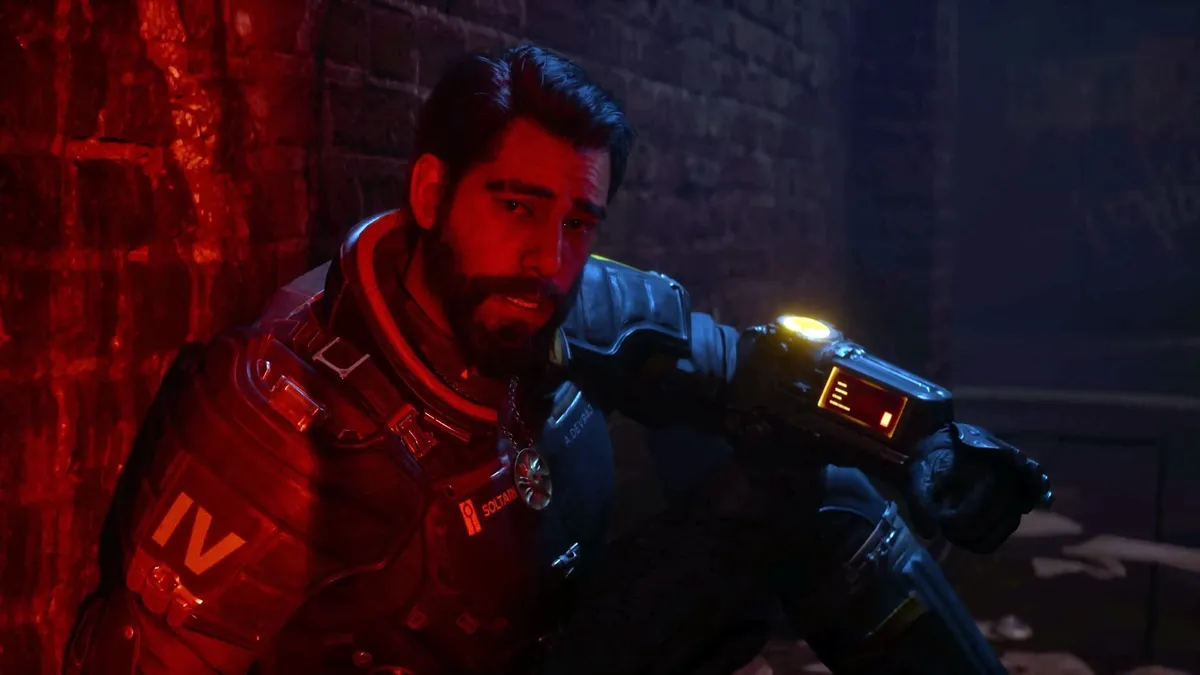
The optics here aren't great for Valve. The company has historically positioned Steam as an open platform celebrating diverse voices in gaming - remember the whole 'everything that isn't illegal' speech? Turns out 'illegal' is doing a LOT of heavy lifting in that sentence, and the burden of figuring that out apparently falls entirely on developers.
Valve has not publicly commented beyond what was shared in direct communications with affected developers, per Kotaku's reporting. Whether this leads to broader policy clarification - or just more developers quietly discovering their games got region-locked after the fact - remains to be seen. Either way, the current system seems like a side quest nobody signed up for.