
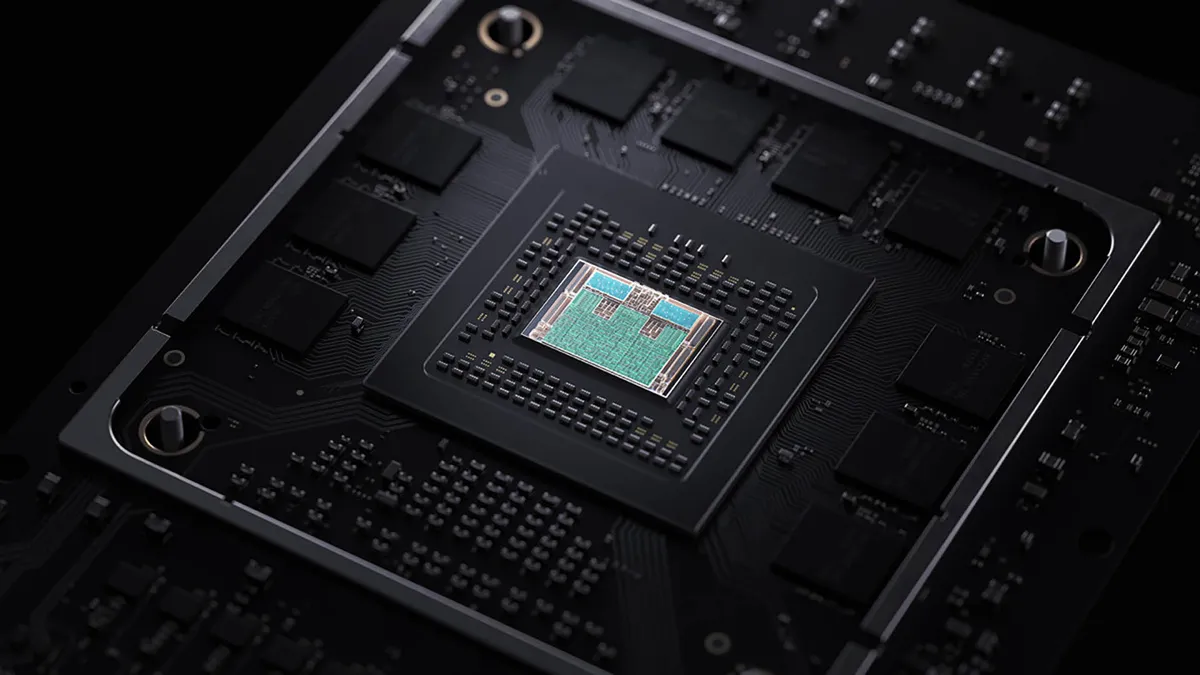
Microsoft's next-generation Xbox hardware strategy is coming into sharper focus, and it involves some familiar PC gaming names. According to PC Gamer, the so-called 'Helix' chip - Microsoft's custom silicon for its next console generation - is reportedly the foundation for upcoming devices being built by Asus and MSI.
The partnership makes sense on paper. Both Asus and MSI are heavyweights in PC hardware and handheld gaming, and their involvement signals Microsoft is serious about diversifying the Xbox hardware ecosystem beyond its own first-party devices. Think of it as the Xbox platform expanding outward rather than just upward in terms of raw specs.
No retail chip, no budget PC saviour
Before anyone gets too excited about the prospect of Helix-powered budget gaming PCs, PC Gamer's reporting throws cold water on that idea. The chip reportedly won't be available as a standalone component, meaning you won't be dropping one into your own rig. This isn't AMD or Intel silicon you can slot into a build - it's custom hardware designed specifically for these closed platforms.
That's a notable distinction for PC gamers who were perhaps hoping Microsoft's next-gen silicon could shake up the mid-range GPU market. The current GPU landscape isn't exactly friendly to budget builders, so the idea of an accessible, well-optimised chip finding its way into the PC ecosystem was an appealing thought. That door appears firmly closed.
What this means for the Xbox ecosystem
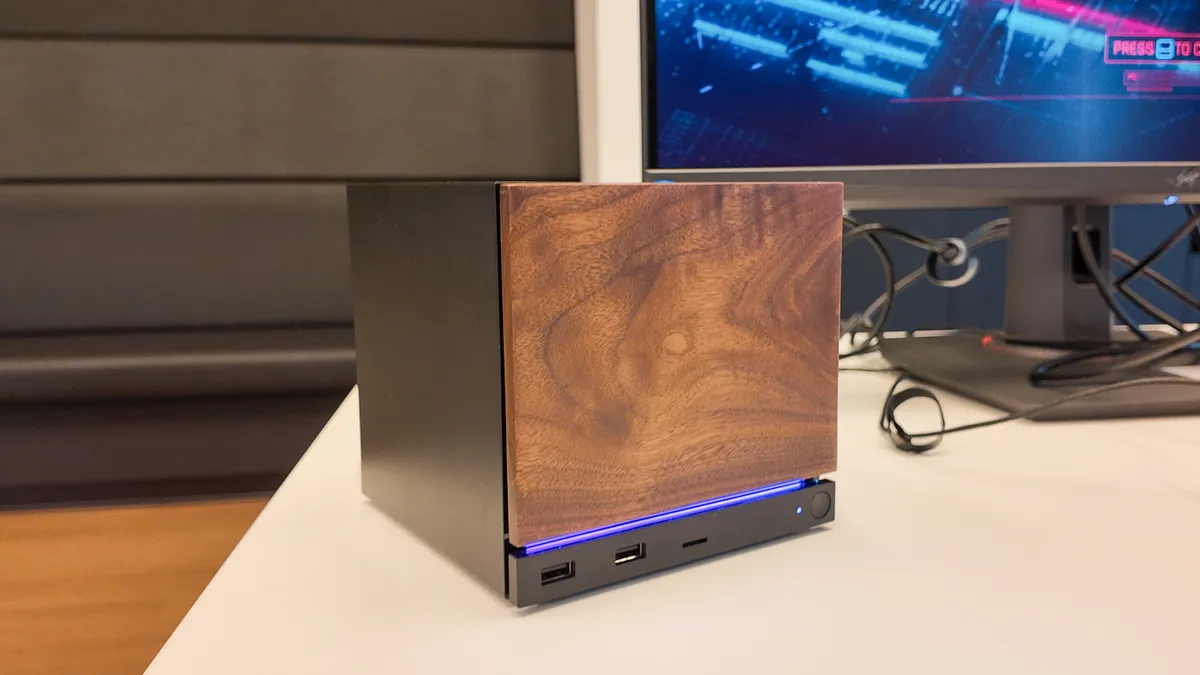
The Asus and MSI angle is the more interesting story here. Microsoft has been telegraphing for some time that Xbox's future isn't tied to a single piece of hardware - Phil Spencer has spoken openly about Xbox becoming more of a platform than a box. Third-party hardware partners building Xbox-compatible devices on shared silicon is a logical extension of that vision.
It also mirrors what we've seen in the handheld space, where Asus's ROG Ally already runs Windows and Xbox Game Pass. A next-gen device from either manufacturer built on Helix could represent a serious step up in performance for that form factor, or potentially a new category of living room hardware altogether.
Details remain thin at this stage, and Microsoft hasn't officially confirmed the Helix chip's existence or its partners. As always with pre-announcement Xbox hardware leaks, treat the specifics with appropriate skepticism until we get something official. But the broad direction - shared silicon, multiple hardware partners, no retail GPU - paints a pretty clear picture of where Xbox is heading.