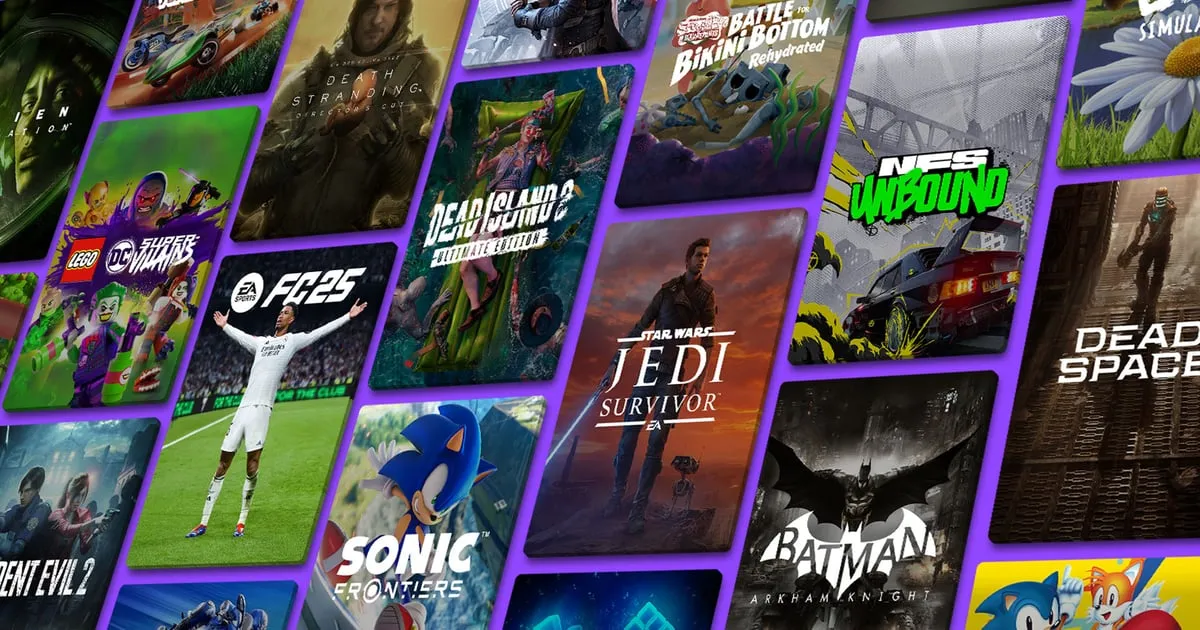
Amazon is pulling back on its Luna cloud gaming service, and the news isn't great for players who invested in the platform. According to Game Developer, purchased titles on Luna will stop functioning entirely on June 10, with Amazon offering no refunds to affected customers.
This is a significant blow to anyone who bought games outright on the service rather than accessing them through a subscription tier. The move signals that Amazon is retreating from the more traditional game ownership model it had built into Luna, effectively rendering those purchases worthless overnight.
What this means for Luna players
Cloud gaming has always carried the risk of platform instability - you don't own a local copy, so when the service changes direction, your library goes with it. Luna's situation is a textbook example of why many players remain skeptical about going all-in on cloud-based game ownership.
The lack of refunds is the sharpest edge here. Players who spent money on individual titles had a reasonable expectation that those purchases would persist, and Amazon's decision to simply cut access without compensation will sting. It also raises broader questions about consumer protections in the cloud gaming space, where the usual digital storefront norms don't always apply cleanly.
Luna's uphill battle
Amazon launched Luna back in 2020, entering a crowded field alongside Google Stadia, NVIDIA GeForce Now, and Microsoft's Xbox Cloud Gaming. Stadia's shutdown in 2023 proved that even tech giants with deep pockets can't force cloud gaming adoption if the value proposition isn't compelling enough. Luna never quite found the mainstream traction it needed to compete at the top of the market.
Amazon hasn't announced a full shutdown - this appears to be a downscaling rather than a complete exit. But stripping away purchased game access is a notable step back, and it's hard to see how this move builds confidence among the players still using the platform.
For anyone currently subscribed to or invested in Luna, this is a good moment to take stock of what you have on the service and what happens to it come June 10. The broader lesson is one the industry keeps relearning - when you buy into a cloud platform, you're betting on that platform's longevity as much as the games themselves.