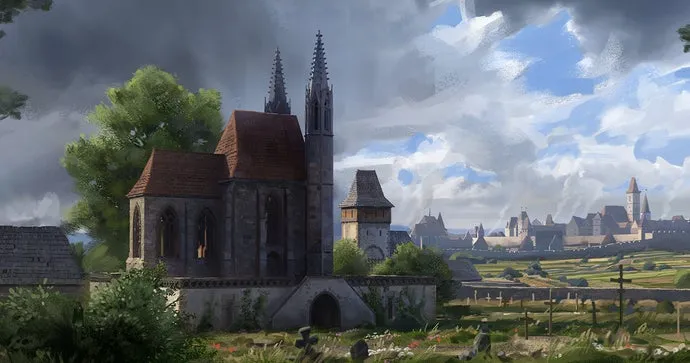
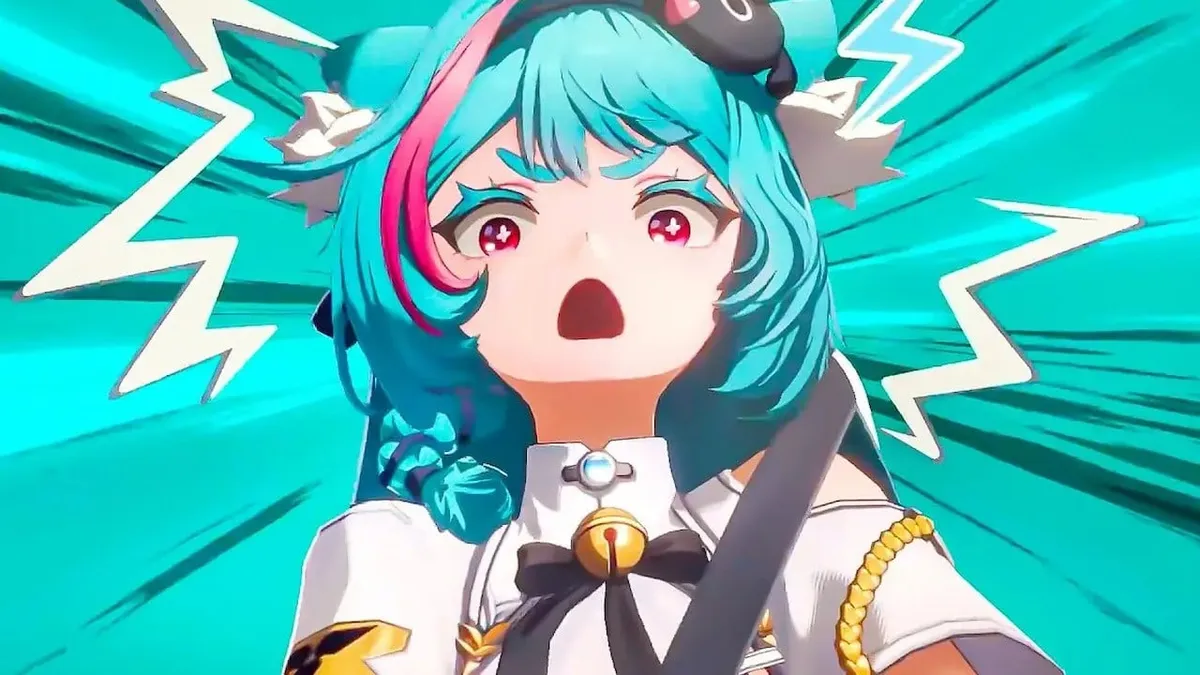
NTE, the newly released PS5 open-world gacha game from Chinese developer Hotta Studio, looks and feels unmistakably Japanese - anime aesthetics, Akihabara references, the works. But the fact that a Chinese studio built it is apparently causing some real soul-searching inside Japan's development community, according to Push Square.
Japanese developers have reportedly been asking a pointed question: why can't Japan make something like this? The answer, from within those same circles, is bleak - it may simply not be possible right now. The core issue flagged is time, with some devs suggesting there's just not enough of it to build at this scale under current conditions.
A gap that's hard to ignore
NTE sits under the Perfect World publishing umbrella, and Hotta Studio's ability to ship a sprawling, visually polished open-world experience targeting PS5 is a genuine talking point. The game blends the kind of character design and cultural touchstones that Japanese studios have long been associated with, but it was assembled elsewhere - and apparently at a pace and scope that Japanese developers feel they can't currently match.
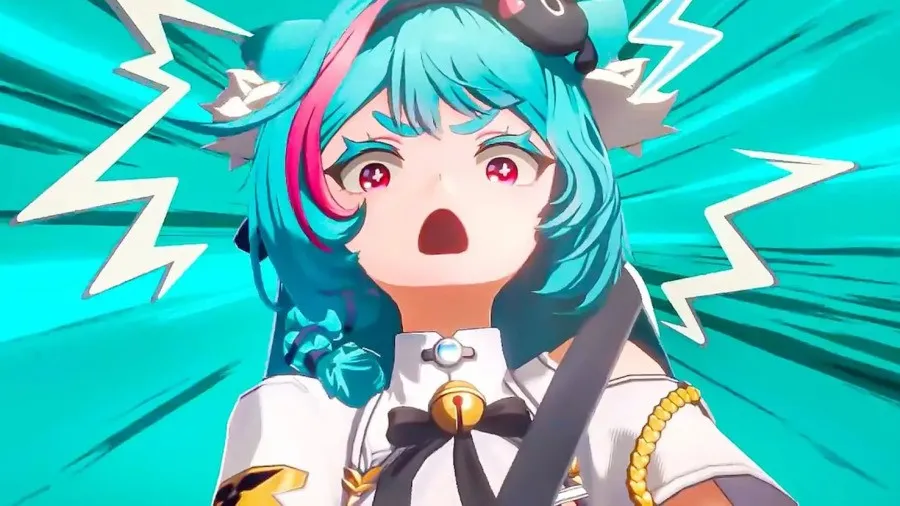
This isn't a new conversation in the industry. Chinese studios like HoYoverse (Genshin Impact, Zenless Zone Zero) have spent years demonstrating that large-scale, anime-adjacent games with heavy live-service infrastructure are well within their capabilities. NTE's PS5 launch just adds another high-profile data point to that argument.
Why does this matter?
For players, the nationality of the developer matters less than the quality of the game. But for the broader industry, Japan's developers wrestling publicly with these limitations is significant. Japanese studios have dominated certain genres and aesthetics for decades, and watching that cultural output get replicated and scaled by international competitors puts real pressure on them to adapt.
Whether that means longer development timelines, bigger budgets, structural studio changes, or something else entirely is an open question. But the fact that developers inside Japan are calling the situation potentially "impossible" rather than just "difficult" suggests the gap feels substantial, not cosmetic.
NTE is available now on PS5. It'll be interesting to see whether its success - and the conversation it's sparking - ends up influencing how Japanese studios approach their next generation of projects.