

Valve may be developing an AI-assisted security review system for Steam, according to leaked internal files uncovered and reported by Ars Technica. The files reference a project internally called "SteamGPT," which appears focused on helping moderation staff deal with the sheer volume of suspicious incidents the platform handles daily.
This kind of tooling makes sense given Steam's scale. The platform serves hundreds of millions of accounts, and manually reviewing fraud, review bombing, fake storefronts, and account theft is an enormous operational burden. AI tools designed to surface and prioritize flagged incidents could give human moderators a meaningful efficiency boost without replacing the judgment calls they still need to make.

What the files actually suggest
Based on Ars Technica's reporting, the leaked files point to a system oriented around security review workflows rather than anything consumer-facing. This isn't about generating game descriptions or chatting with a Steam bot - it looks more like internal tooling built to help Valve's teams triage and investigate platform abuse at scale.
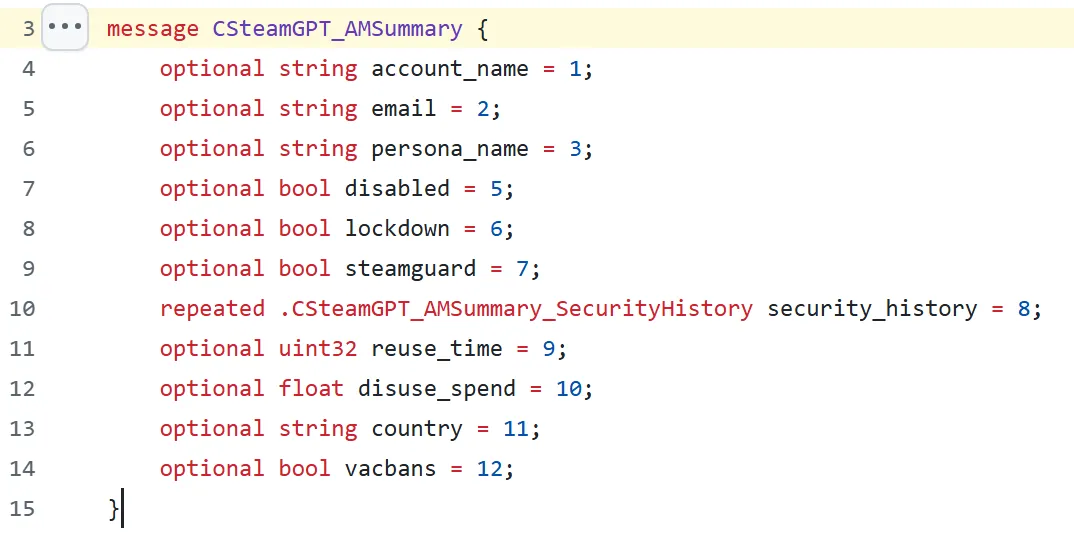
Details remain limited, and Valve has not made any official statement confirming the project or its scope. That means a lot of the specifics are still speculative, and it's worth tempering expectations until the company addresses the leak directly.

Reading between the lines
Valve has historically been tight-lipped about internal operations, so a leak like this is a rare window into how the company might be modernizing its backend. Steam's moderation track record has drawn criticism over the years - fake games, asset flips, and scam storefronts have all been persistent problems. If SteamGPT is designed to help close those gaps faster, that's a practical application most PC gamers would probably welcome.
It also fits a broader industry trend. Platform holders across gaming and tech have been integrating AI into trust and safety pipelines, using machine learning to detect patterns in account behavior, payment fraud, and content violations before they escalate. Valve would hardly be the first to go this route, but given Steam's dominance in PC gaming, how they implement it matters more than most.
For now, treat this as an early signal rather than confirmed product news. Ars Technica's reporting gives the leak credibility, but without official word from Valve, the full picture of what SteamGPT is - and whether it ever ships publicly - remains unclear.