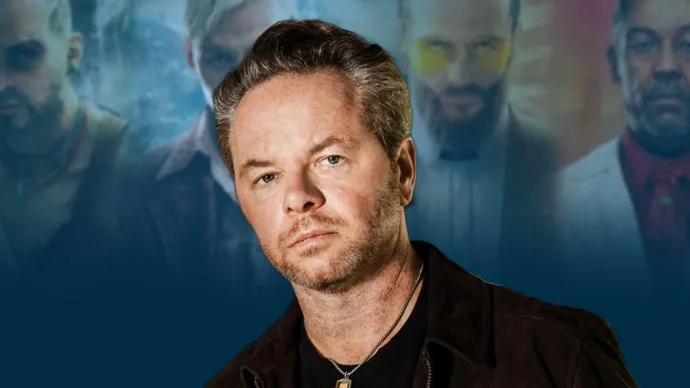

The CEO of Ustwo Games, the studio behind the beloved Monument Valley series, has said the company was naive in prioritizing long-term job security for its staff, and now views a contractor-heavy workforce as the sustainable path forward. The comments, reported by Video Games Chronicle, reflect a broader industry reckoning with studio overhead costs following years of high-profile layoffs.
Ustwo Games boss described the studio's previous approach to hiring as 'too romantic,' suggesting that the commitment to keeping permanent staff through leaner periods was ultimately not financially viable. The pivot toward contractors is framed as a cost-control measure that the studio considers fundamental to its future operations.
Another studio pivots away from permanent headcount
The remarks land during one of the most turbulent stretches the games industry has seen in recent memory. Thousands of developers have been let go across major publishers and indie studios alike since 2023, and many executives have pointed to bloated headcounts during the pandemic hiring boom as a core problem.
What makes Ustwo's position notable is the candor. Rather than dressing up the shift in language about 'flexibility' or 'agility,' the CEO is being direct about the motivation: lower costs. That honesty is refreshing, even if the implications for workers are uncomfortable.
What this means for developers
A contractor-first model shifts financial risk squarely onto individual developers. Contractors typically receive no benefits, have no job security between projects, and must manage their own taxes and downtime - costs that studios effectively externalize onto workers. For mid-career developers with mortgages and families, this model is significantly harder to navigate than a salaried role.
The counterargument from studios is that contractors gain flexibility and the ability to work across multiple projects. But in a market where jobs are already scarce, that argument rings hollow for many workers who would simply prefer stable employment.
Ustwo is a relatively small, critically respected indie operation rather than a AAA giant, which makes the signal worth paying attention to. If studios known for their creative culture and employee-focused reputation are moving this direction, it suggests the contractor model is becoming normalized across the industry spectrum - not just at large corporations looking to protect quarterly earnings.
Whether this approach produces better games or simply cheaper ones remains to be seen. But for developers entering or currently working in the industry, the message from studios is increasingly clear: permanent, stable employment is a perk, not a given.